Keto Bread VS Seed Bread
A detailed nutritional comparison
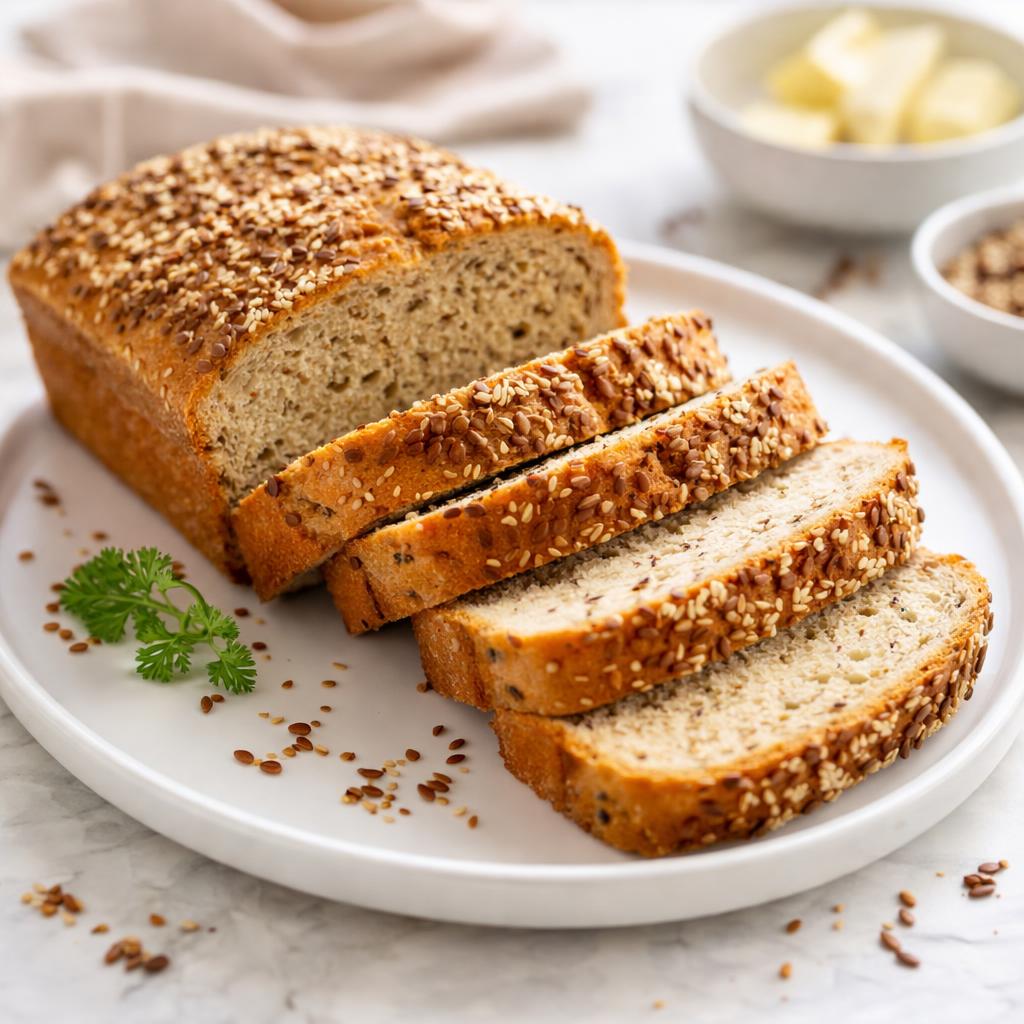
Keto Bread
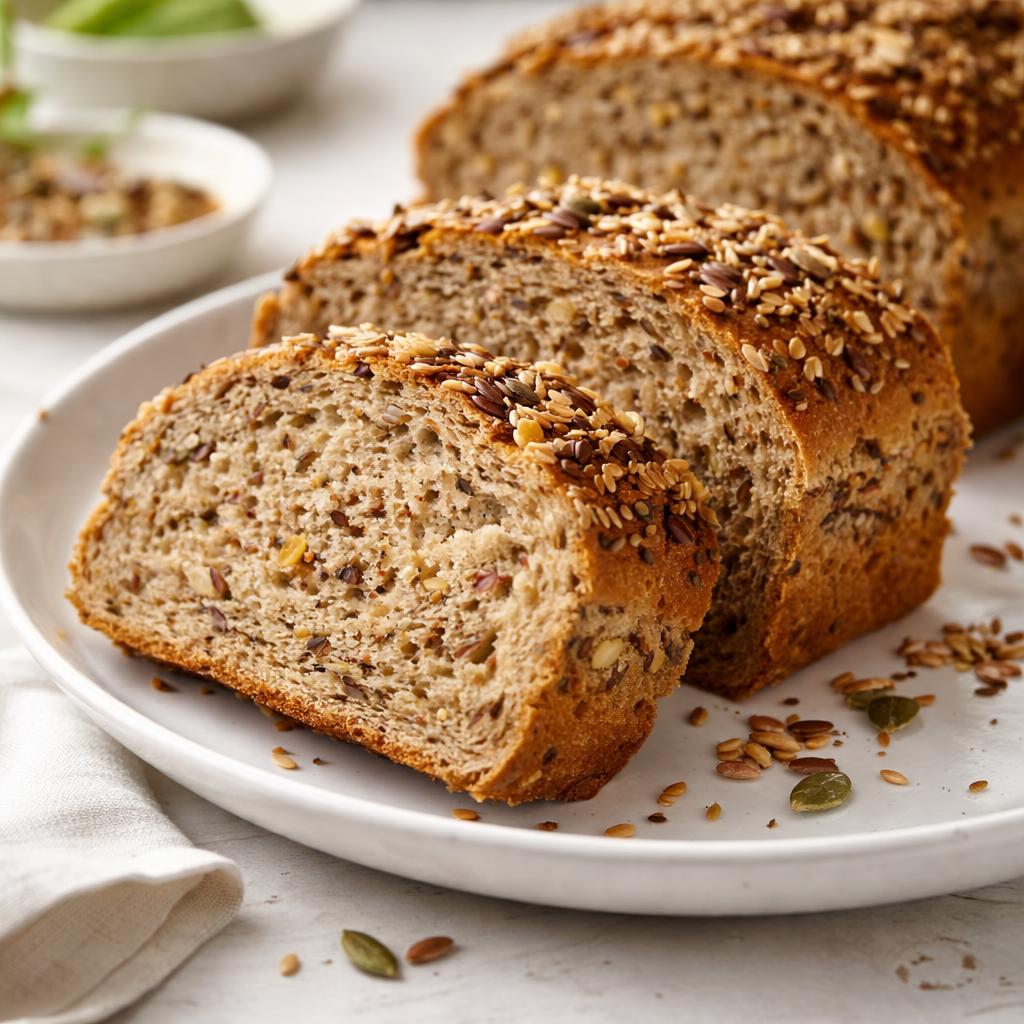
Seed Bread
🎯 Quick Verdict
Keto bread excels in protein content and fewer calories, making it ideal for strict keto or low-calorie meal plans. Seed bread, on the other hand, is richer in fiber, healthy fats, and micronutrients, catering well to those seeking nutrient density and digestive health. Both options are gluten-free and vegan-friendly but suit differing dietary goals.

Smart Nutrition Tracking with SnapCalorie

📊 Nutritional Comparison
Macronutrients
| Nutrient | Food 1 | Food 2 | Winner |
|---|---|---|---|
| Calories | 90 | 150 | ✓ |
| Protein | 9g | 6g | ✓ |
| Carbs | 4g | 18g | ✓ |
| Fat | 3g | 8g | ✓ |
| Fiber | 2g | 4.5g | ✓ |
Vitamins & Minerals
| Nutrient | Food 1 | Food 2 | Winner |
|---|---|---|---|
| Vitamin D | 0mcg | 0mcg | − |
| Calcium | 70mg | 200mg | ✓ |
| Iron | 1mg | 2.8mg | ✓ |
🏆 Category Winners
Protein
Keto bread contains 50% more protein per serving, supporting high-protein diets.
Fiber
Seed bread has more than double the fiber content, aiding digestion.
Calories
Keto bread offers 40% fewer calories, suitable for weight management.
Vitamins
Seed bread has significantly higher calcium and iron levels, contributing to bone and blood health.
🥗 Diet Compatibility
Keto
Food 1: Compatible
Food 2: Not Compatible
Food1 is very low-carb (4g net carbs).
Vegan
Food 1: Compatible
Food 2: Compatible
Both are plant-based and free of animal products.
Gluten Free
Food 1: Compatible
Food 2: Compatible
Neither contains gluten.
Paleo
Food 1: Compatible
Food 2: Compatible
Both are grain-free and align with paleo guidelines.
Low Carb
Food 1: Highly Compatible
Food 2: Moderately Compatible
Food1 fits strict low-carb diets, whereas Food2 has higher carbs (18g).
💪 Health Benefits Comparison
Food 1 Benefits
- Low calorie density, supporting weight loss
- High protein content for muscle maintenance
- Low-carb profile, ideal for ketogenic diets
Food 2 Benefits
- Rich in healthy fats for heart and brain health
- High fiber content for improved digestion
- Provides essential minerals like calcium and iron
✅ The Bottom Line
Keto bread is best for weight loss, keto, and low-carb practitioners due to its lower calorie and carb content. Seed bread offers nutrient density, rich fiber, and heart-healthy fats, making it great for general wellness and sustained energy.
Choose Food 1 for: Weight loss, keto diets, post-workout recovery
Choose Food 2 for: Digestive health, heart health, balanced nutrition


