Keto Bread VS Protein Bread
A detailed nutritional comparison
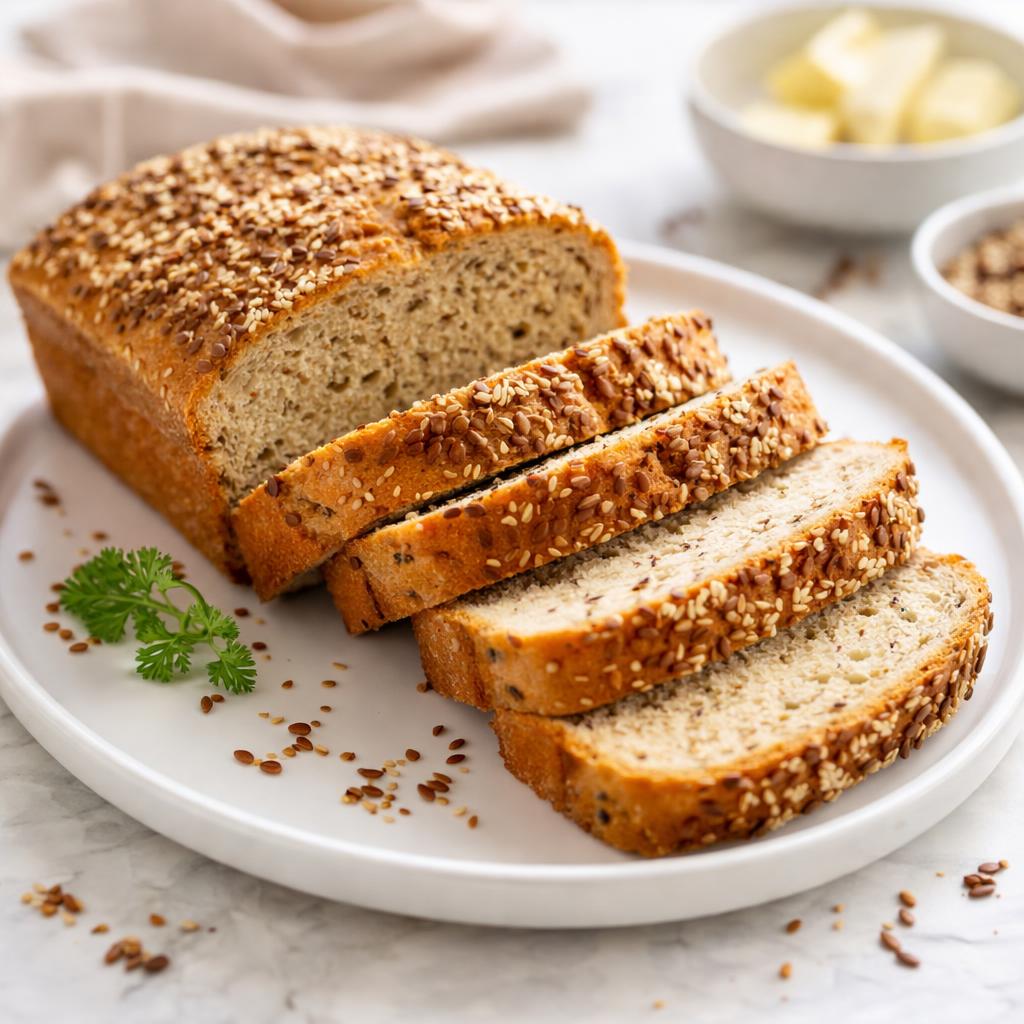
Keto Bread
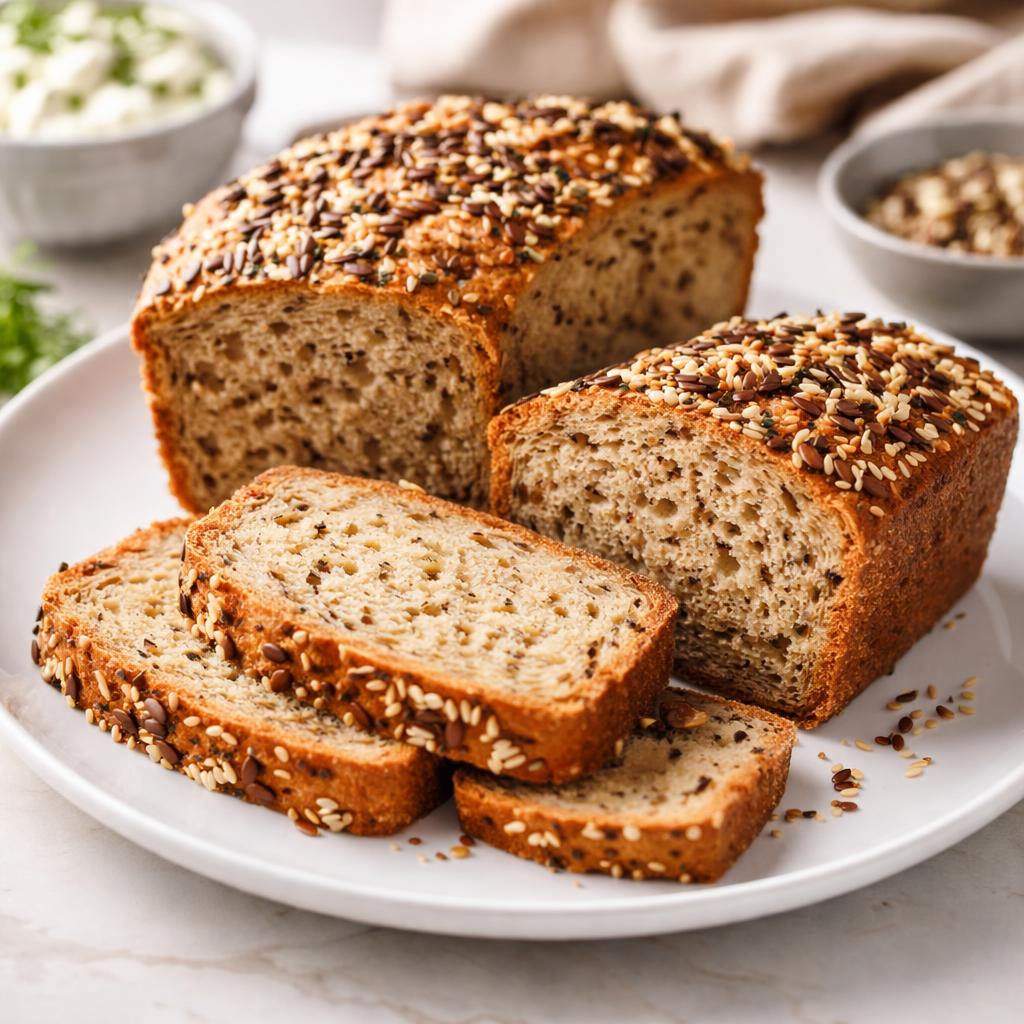
Protein Bread
🎯 Quick Verdict
Keto bread is lower in calories and carbohydrates, making it ideal for keto and weight loss diets. Protein bread offers higher protein and fiber content, making it a better choice for muscle building and digestive health. Both are gluten-free and vegan options, suitable for specialized diets.

Smart Nutrition Tracking with SnapCalorie

📊 Nutritional Comparison
Macronutrients
| Nutrient | Food 1 | Food 2 | Winner |
|---|---|---|---|
| Calories | 90 | 120 | ✓ |
| Protein | 5g | 12g | ✓ |
| Carbs | 2g | 10g | ✓ |
| Fat | 4g | 3g | ✓ |
| Fiber | 3g | 5g | ✓ |
Vitamins & Minerals
| Nutrient | Food 1 | Food 2 | Winner |
|---|---|---|---|
| Vitamin D | 0.5mcg | 1mcg | ✓ |
| Calcium | 50mg | 100mg | ✓ |
| Iron | 1mg | 2mg | ✓ |
🏆 Category Winners
Protein
Protein bread offers more than double the protein content compared to keto bread.
Fiber
Protein bread has 67% more fiber per serving.
Calories
Keto bread is 25% lower in calories per serving.
Vitamins
Protein bread has higher levels of Vitamin D, Calcium, and Iron for bone health.
🥗 Diet Compatibility
Keto
Food 1: Compatible
Food 2: Not Compatible
Food1 is very low in carbs (2g per serving), suitable for keto diets.
Vegan
Food 1: Compatible
Food 2: Compatible
Both are plant-based and free from animal products.
Gluten Free
Food 1: Compatible
Food 2: Compatible
Neither contains gluten, making them safe for celiac and gluten-sensitive individuals.
Paleo
Food 1: Not Compatible
Food 2: Not Compatible
Both rely on modern ingredients such as processed flours, excluding them from strict paleo diets.
Low Carb
Food 1: Compatible
Food 2: Partially Compatible
Food1 is ultra-low carb at 2g per serving, while food2 has moderate carbs (10g).
💪 Health Benefits Comparison
Food 1 Benefits
- Extremely low carbohydrate content makes it suitable for blood sugar regulation.
- Moderate fiber content supports digestive health.
- Low-calorie choice ideal for weight management.
Food 2 Benefits
- High protein content supports muscle maintenance and recovery.
- Rich in fiber for improved digestion and gut health.
- Enhanced vitamin content for bone strength and immune support.
✅ The Bottom Line
Choose keto bread for low-carb and weight loss diets, particularly for those adhering to keto regimes. Opt for protein bread for higher protein and fiber intake, beneficial for muscle building, digestion, and nutrient density.
Choose Food 1 for: Keto diets, weight loss, diabetic-friendly eating
Choose Food 2 for: Muscle building, higher fiber needs, nutrient-rich snack options


