Keto Bread VS Cheesy Bread
A detailed nutritional comparison
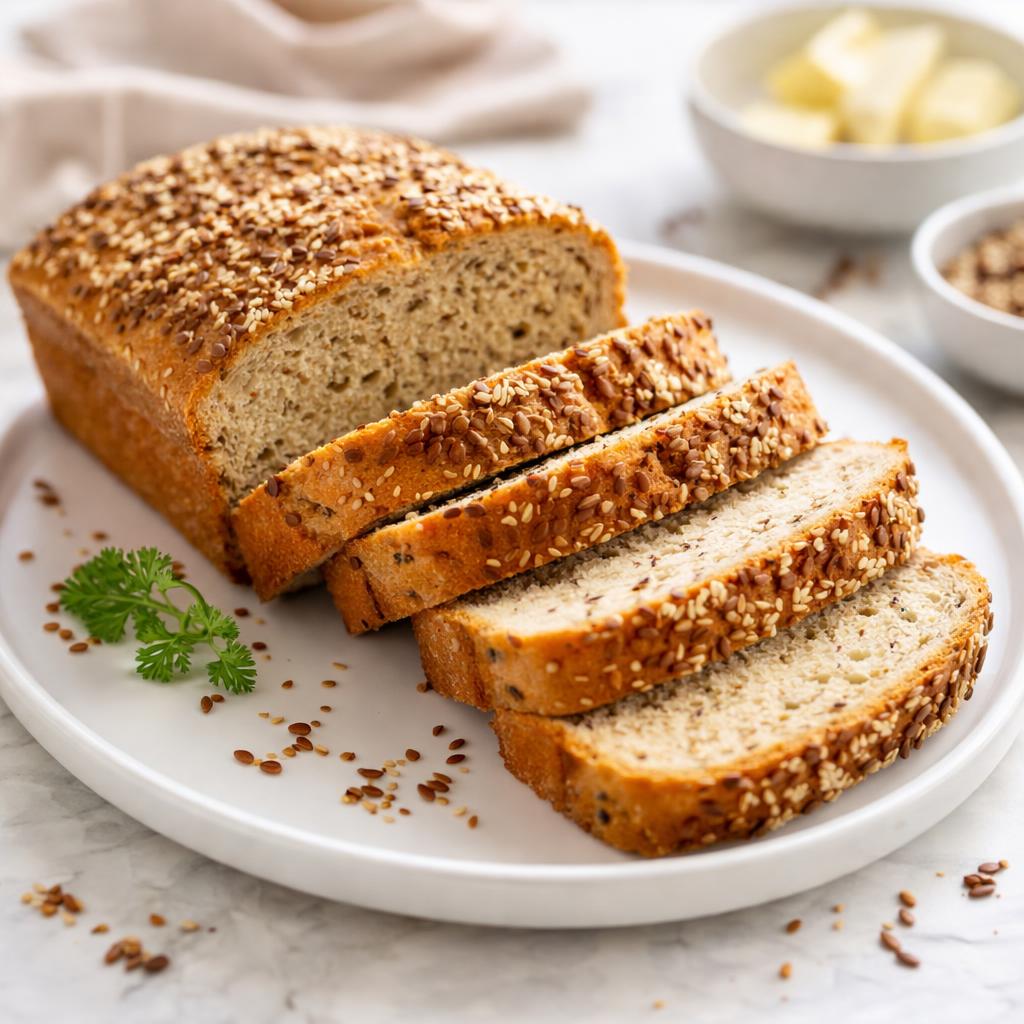
Keto Bread
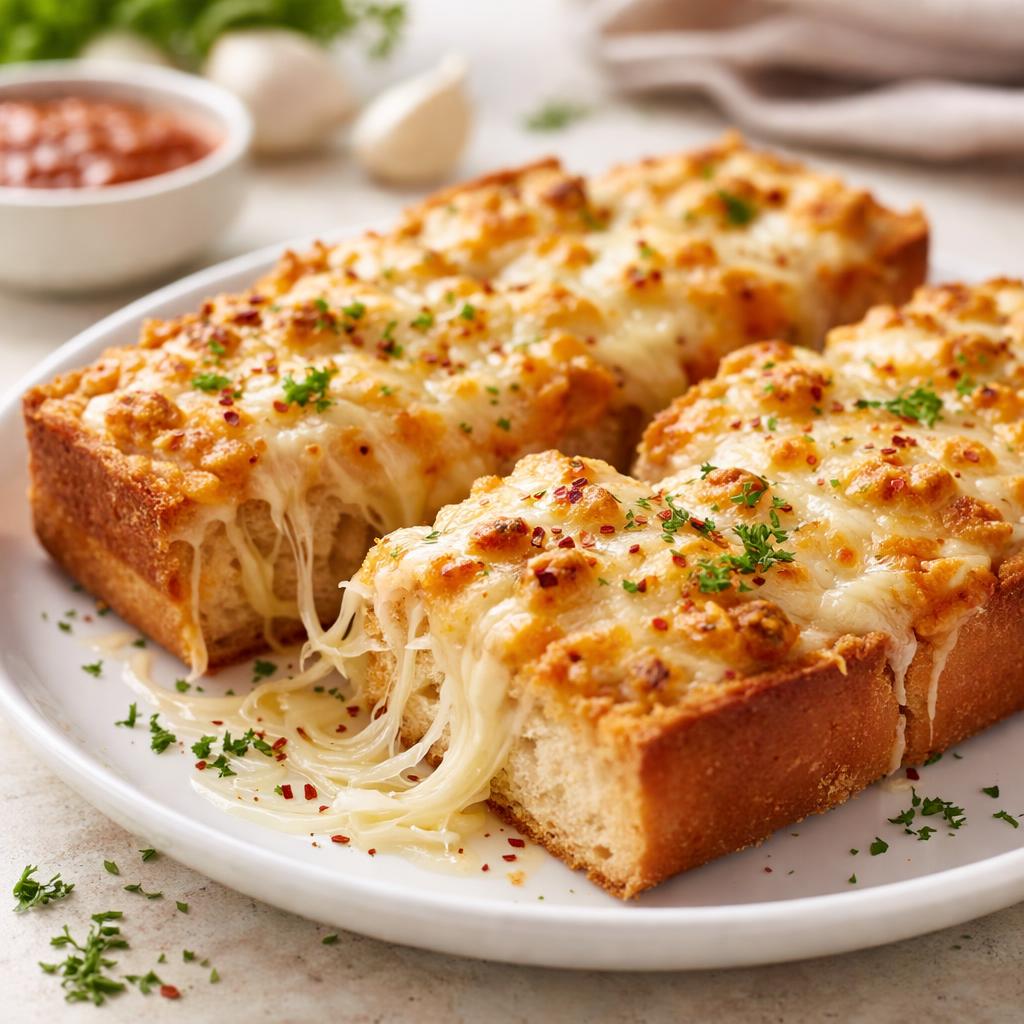
Cheesy Bread
🎯 Quick Verdict
Keto bread emerges as the healthier choice for individuals seeking lower calories, higher protein, and higher fiber content. Cheesy bread, while delicious, is higher in calories and fats, making it more suitable for indulgent meals or energy-dense needs. Both offer unique benefits depending on dietary goals and preferences.

Smart Nutrition Tracking with SnapCalorie

📊 Nutritional Comparison
Macronutrients
| Nutrient | Food 1 | Food 2 | Winner |
|---|---|---|---|
| Calories | 60 | 150 | ✓ |
| Protein | 6g | 4g | ✓ |
| Carbs | 2g | 15g | ✓ |
| Fat | 4g | 8g | ✓ |
| Fiber | 5g | 1g | ✓ |
Vitamins & Minerals
| Nutrient | Food 1 | Food 2 | Winner |
|---|---|---|---|
| Calcium | 50mg | 100mg | ✓ |
| Iron | 1mg | 0.5mg | ✓ |
| Vitamin D | 0mcg | 0.5mcg | ✓ |
🏆 Category Winners
Protein
Food1 has 50% more protein than food2, ideal for those seeking high-protein options.
Fiber
Food1 delivers significantly more fiber, supporting digestion.
Calories
Food1 has 60% fewer calories, ideal for weight management.
Vitamins
Food2 contains more calcium and vitamin D for bone health.
🥗 Diet Compatibility
Keto
Food 1: Compatible
Food 2: Not Compatible
Food1 has just 2g carbs, meeting keto requirements.
Vegan
Food 1: Not Compatible
Food 2: Not Compatible
Both contain animal-derived ingredients (eggs in keto bread, cheese in cheesy bread).
Gluten Free
Food 1: Compatible
Food 2: Not Compatible
Food1 is gluten-free, while food2 typically contains traditional wheat-based bread.
Paleo
Food 1: Compatible
Food 2: Not Compatible
Food1 fits paleo guidelines due to low-carb, grain-free ingredients.
Low-Carb
Food 1: Compatible
Food 2: Not Compatible
Food1's 2g carbs per serving makes it suitable for low-carb diets.
💪 Health Benefits Comparison
Food 1 Benefits
- Low in carbohydrates, supporting keto and low-carb diets
- High fiber content for better digestion
- Good source of protein for muscle maintenance and satiety
- Gluten-free, suitable for those with celiac or gluten sensitivity
Food 2 Benefits
- Rich in calcium and vitamin D, ideal for bone health
- Provides energy-dense calories for individuals needing sustained energy
- Contains fats beneficial for heart health when consumed in moderation
- Offers a comforting, indulgent option
✅ The Bottom Line
Keto bread is the winner for those prioritizing health-conscious diets, especially keto, gluten-free, low-carb, or weight loss goals. Cheesy bread, on the other hand, is a tasty indulgence with nutrients like calcium and vitamin D but is better suited for energy-packed needs or occasional treats.
Choose Food 1 for: Keto diet, gluten-free diet, weight loss, low-carb lifestyle, digestion support
Choose Food 2 for: Bone health, energy-dense needs, comfort food


