Keto Bread VS Barley
A detailed nutritional comparison
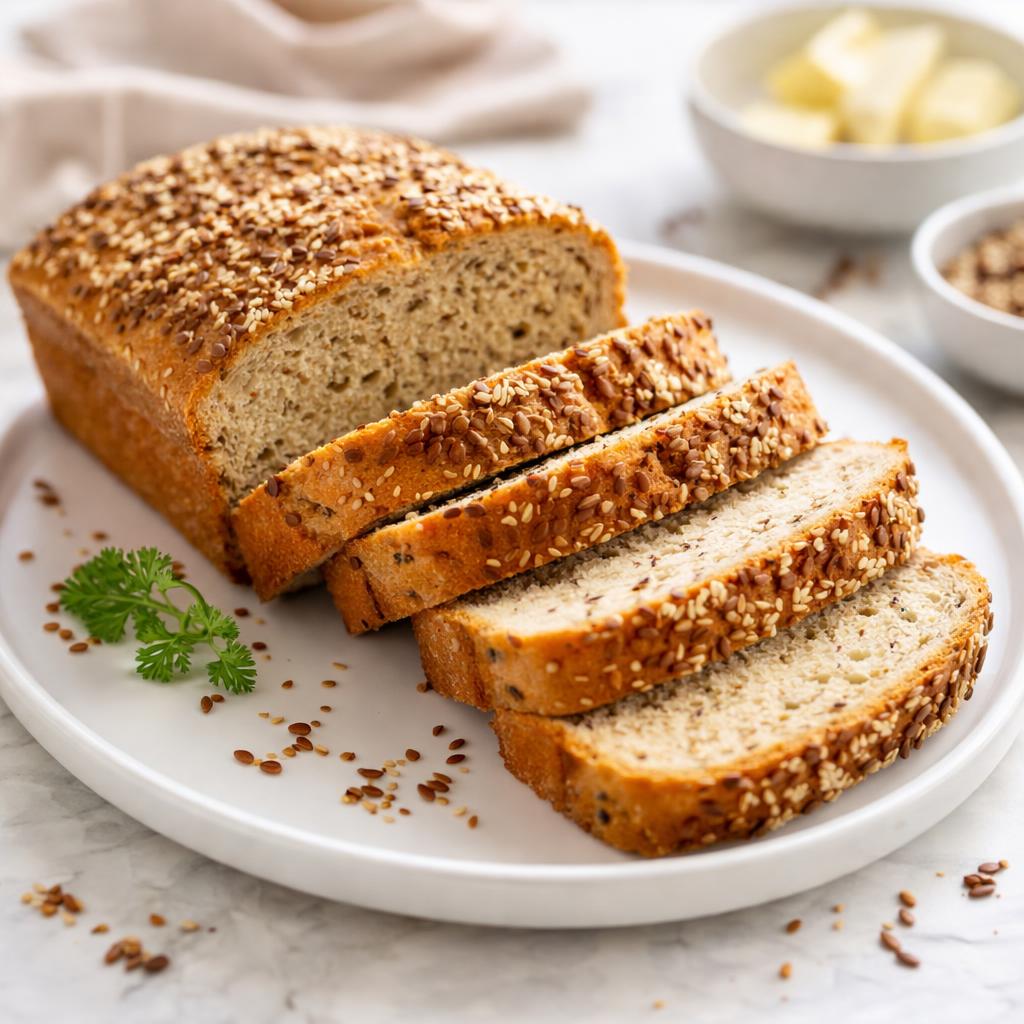
Keto Bread
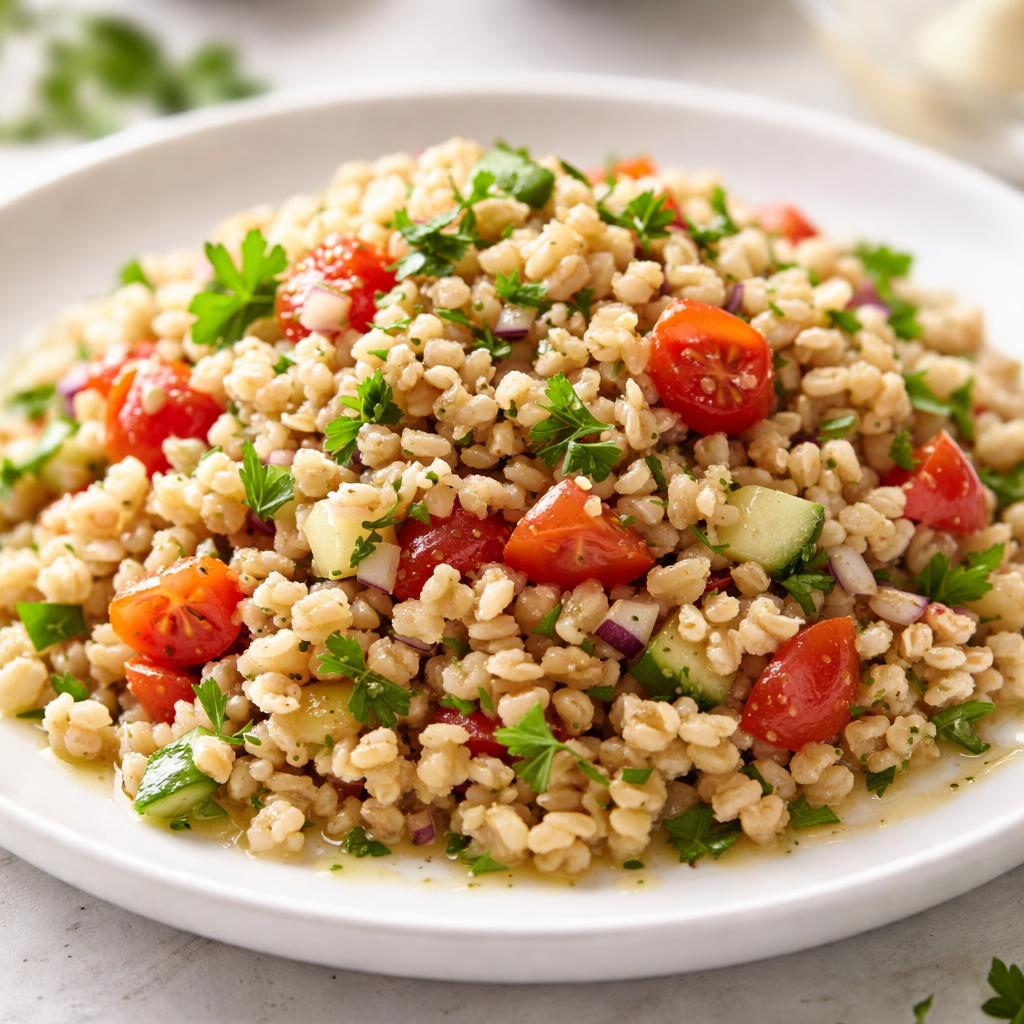
Barley
🎯 Quick Verdict
Keto bread and barley differ significantly in their nutritional profiles. Keto bread is higher in protein and lower in calories, making it more suitable for low-carb and weight-loss diets. Barley excels in fiber content and provides more overall nutrients, such as iron and magnesium, making it ideal for sustained energy and digestive health. Choose based on dietary goals and compatibility with your eating regimen.

Smart Nutrition Tracking with SnapCalorie

📊 Nutritional Comparison
Macronutrients
| Nutrient | Food 1 | Food 2 | Winner |
|---|---|---|---|
| Calories | 70 | 193 | ✓ |
| Protein | 6g | 3.5g | ✓ |
| Carbs | 2g | 44g | ✓ |
| Fat | 4g | 0.6g | ✓ |
| Fiber | 5g | 6g | ✓ |
Vitamins & Minerals
| Nutrient | Food 1 | Food 2 | Winner |
|---|---|---|---|
| Vitamin B6 | 0.03mg | 0.26mg | ✓ |
| Magnesium | 25mg | 33mg | ✓ |
| Iron | 0.5mg | 1mg | ✓ |
🏆 Category Winners
Protein
Keto bread has nearly twice as much protein per serving.
Fiber
Barley contains 20% more fiber, excellent for digestion.
Calories
Keto bread is lower in calories, suitable for weight management.
Vitamins
Barley provides higher levels of essential vitamins and minerals.
🥗 Diet Compatibility
Keto
Food 1: Compatible
Food 2: Not Compatible
Keto bread is low-carb with only 2g of carbs per serving.
Vegan
Food 1: Depends on recipe
Food 2: Compatible
Barley is plant-based, while keto bread may contain eggs.
Gluten Free
Food 1: Compatible
Food 2: Not Compatible
Keto bread is often gluten-free, whereas barley contains gluten.
Paleo
Food 1: Not Compatible
Food 2: Not Compatible
Neither food aligns with paleo guidelines due to processed ingredients or grains.
Low-Carb
Food 1: Compatible
Food 2: Not Compatible
Keto bread fits low-carb diets; barley is high in carbs.
💪 Health Benefits Comparison
Food 1 Benefits
- Supports weight loss with low-calorie, low-carb content
- Provides a high protein content for muscle maintenance
- Rich in healthy fats, promoting satiety
Food 2 Benefits
- Promotes digestive health with high fiber content
- Provides sustained energy from complex carbohydrates
- Rich in magnesium and iron, supporting bone strength and energy levels
- Contains antioxidants that contribute to overall health
✅ The Bottom Line
Both keto bread and barley have distinct advantages. Choose keto bread for weight management, low-carb diets, and post-workout recovery due to its higher protein and lower calorie profile. Opt for barley for its fiber, complex carbs, and nutrient density, great for sustained energy and digestive health.
Choose Food 1 for: Weight loss, low-carb or keto diets, post-workout sustenance
Choose Food 2 for: Digestive health, heart health, sustained energy and nutrient intake


