Jollof Rice VS Rice With Tomato Sauce
A detailed nutritional comparison
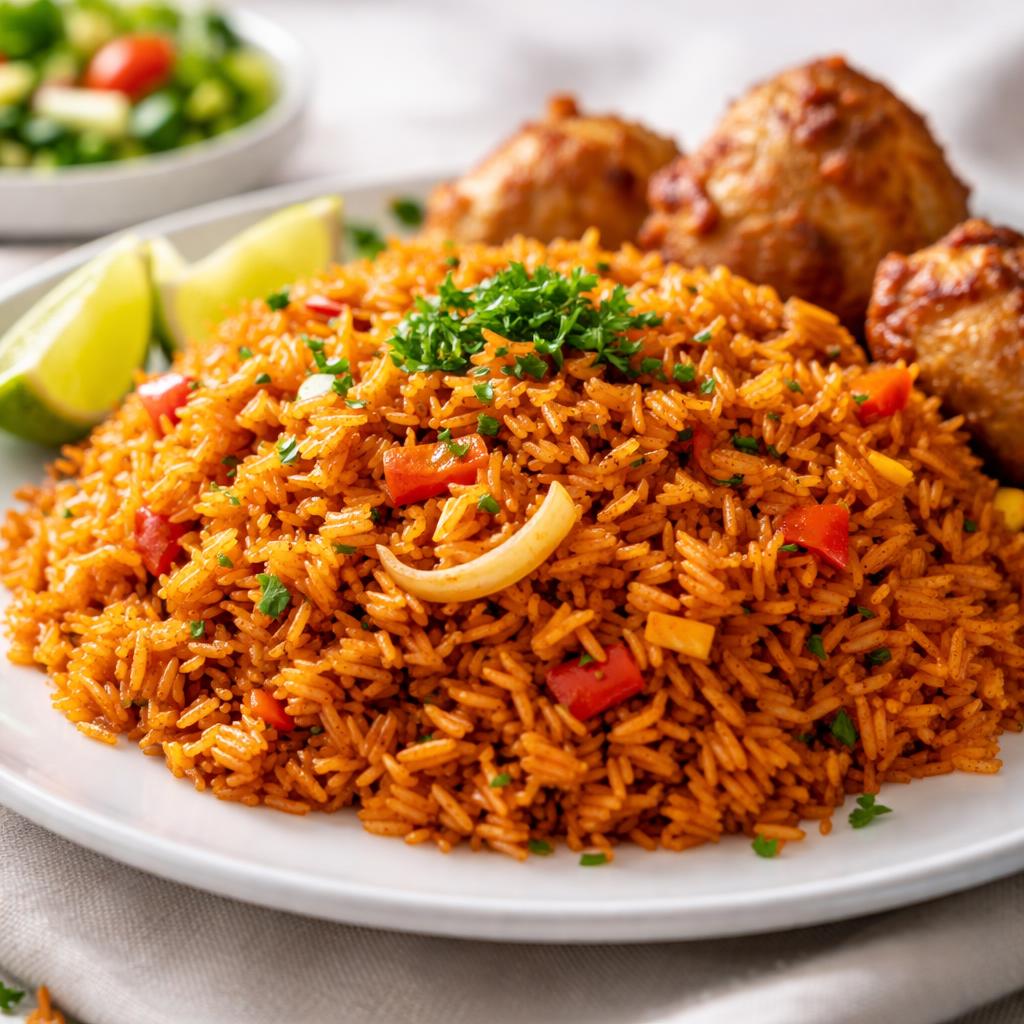
Jollof Rice
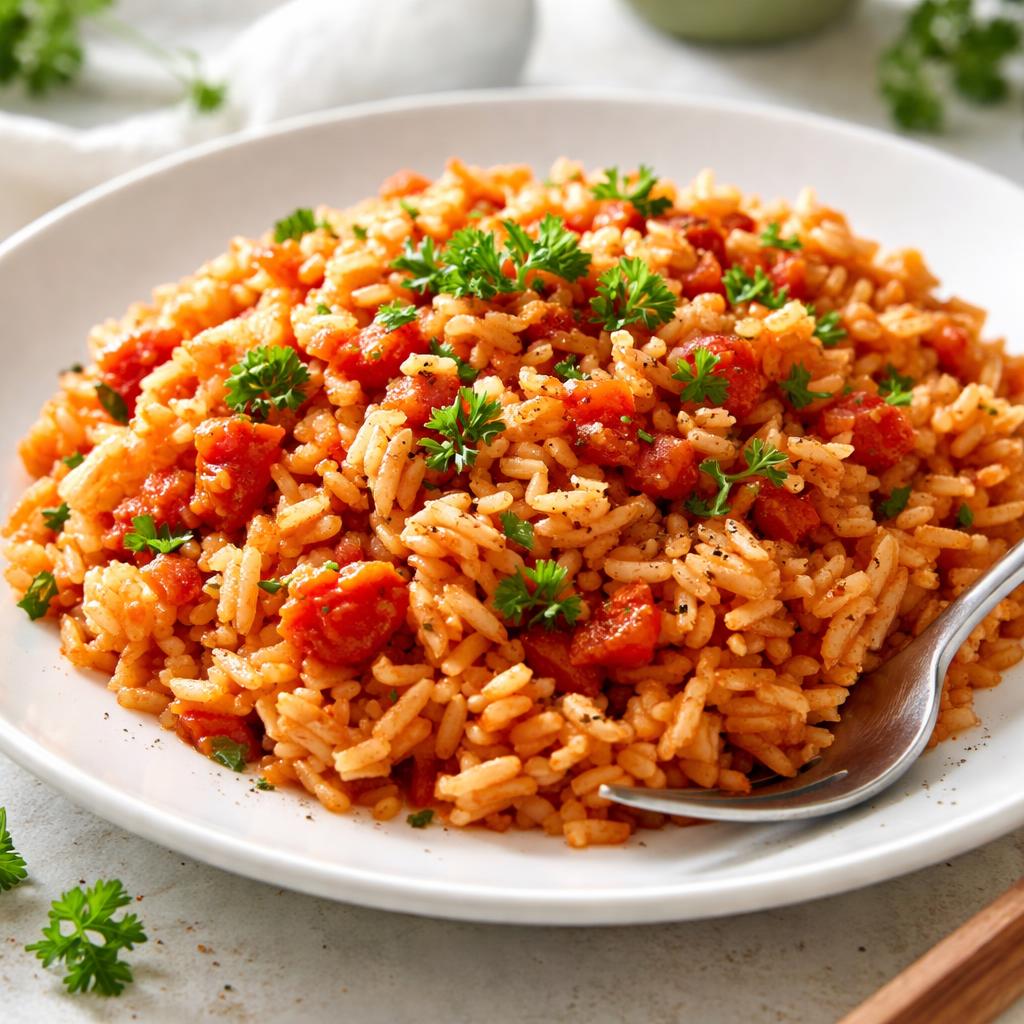
Rice With Tomato Sauce
🎯 Quick Verdict
Jollof rice generally offers more protein, more fiber, and a higher micronutrient profile due to the inclusion of vegetables and spices, making it nutritionally richer. Rice with tomato sauce, on the other hand, tends to have fewer calories and is simpler in composition, suitable for lighter meals or side dishes rather than a standalone complete meal.

Smart Nutrition Tracking with SnapCalorie

📊 Nutritional Comparison
Macronutrients
| Nutrient | Food 1 | Food 2 | Winner |
|---|---|---|---|
| Calories | 350 | 200 | ✓ |
| Protein | 7g | 3g | ✓ |
| Carbs | 62g | 45g | ✓ |
| Fat | 12g | 4g | ✓ |
| Fiber | 4g | 2g | ✓ |
Vitamins & Minerals
| Nutrient | Food 1 | Food 2 | Winner |
|---|---|---|---|
| Vitamin C | 10mg | 3mg | ✓ |
| Vitamin A | 250mcg | 100mcg | ✓ |
| Iron | 1.5mg | 0.5mg | ✓ |
🏆 Category Winners
Protein
Food1 contains over double the protein due to a richer ingredient blend including vegetables and spices.
Fiber
Food1 contains 50% more fiber because of added vegetables that boost fiber content.
Calories
Food2 is lighter with 43% fewer calories, making it better suited for low-calorie diets.
🥗 Diet Compatibility
Keto
Food 1: Not Compatible
Food 2: Not Compatible
Both are high-carb dishes due to their rice base.
Vegan
Food 1: Can be Compatible
Food 2: Compatible
Jollof rice can be made vegan depending on preparation (excluding animal-based stock). Rice with tomato sauce is inherently vegan if made with plant-based ingredients.
Gluten Free
Food 1: Compatible
Food 2: Compatible
Neither contains gluten.
Paleo
Food 1: Not Compatible
Food 2: Not Compatible
Rice is not approved in paleo diets.
Low-Carb
Food 1: Not Compatible
Food 2: Not Compatible
Both are too high in carbs for low-carb diets.
💪 Health Benefits Comparison
Food 1 Benefits
- Provides complex flavors and nutrients due to spices and vegetables
- Richer in protein for muscle maintenance and satiety
- Higher fiber content supports digestion
- Contains vitamin A and C for immune and skin health
Food 2 Benefits
- Lower in calories, making it ideal for lighter meals
- Simpler composition, easier to digest
- Contains antioxidants from tomatoes
- Includes modest amounts of vitamin C
✅ The Bottom Line
Choose jollof rice for a more nutrient-dense, satisfying, and flavorful meal, especially if you need extra protein and fiber. Opt for rice with tomato sauce for a lower-calorie option, ideal as a side dish or lighter meal. Both offer unique nutritional benefits depending on your dietary needs.
Choose Food 1 for: Complete meals, higher protein needs, nutrient-rich diets
Choose Food 2 for: Low-calorie meals, light side dishes, quick and simple preparation


