Garlic Bread VS Tuna Pasta
A detailed nutritional comparison
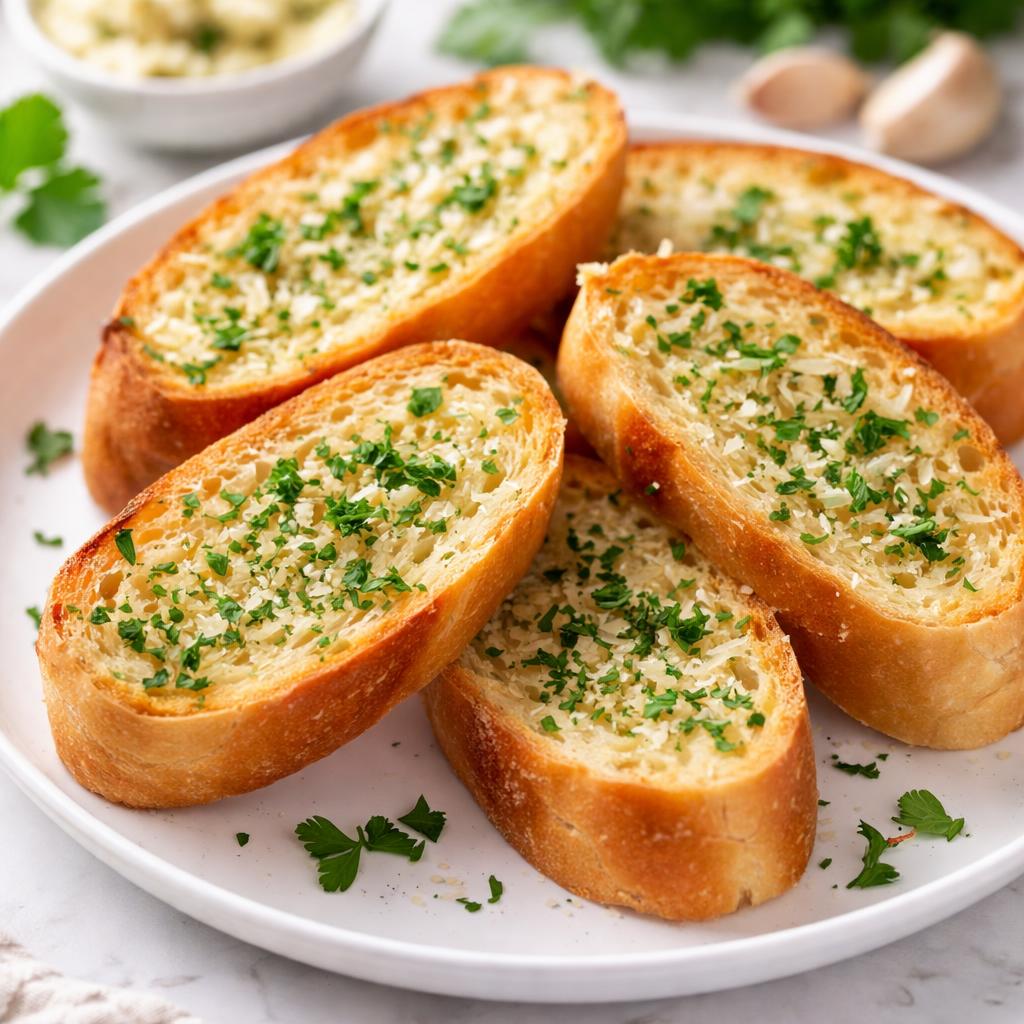
Garlic Bread
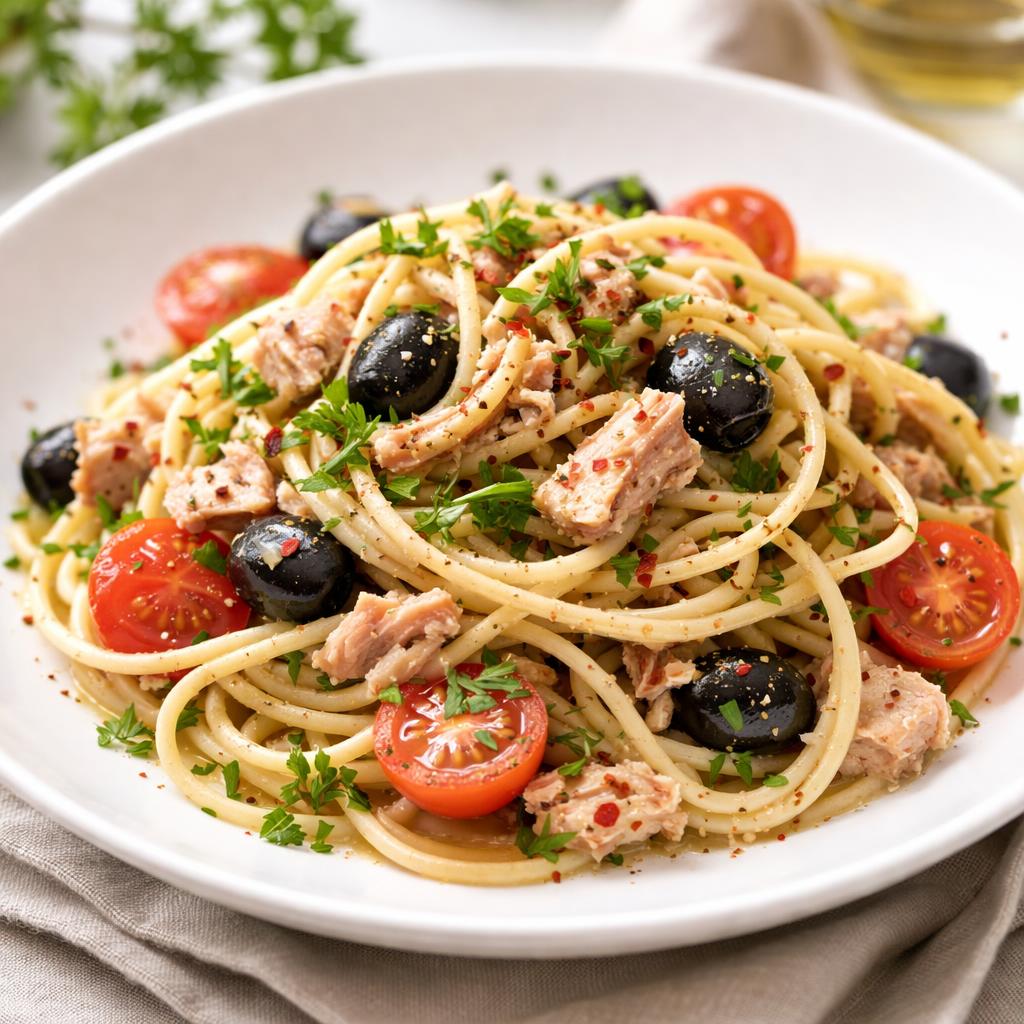
Tuna Pasta
🎯 Quick Verdict
Tuna pasta offers significantly more protein and fiber compared to garlic bread, making it a more nutrient-dense option for sustained energy and satiety. Garlic bread is lower in calories and can serve as a lighter option or side dish. Tuna pasta is better suited for those seeking a substantial, post-workout meal or a balanced main course.

Smart Nutrition Tracking with SnapCalorie

📊 Nutritional Comparison
Macronutrients
| Nutrient | Food 1 | Food 2 | Winner |
|---|---|---|---|
| Calories | 150 (per 50g slice) | 350 (per 250g serving) | ✓ |
| Protein | 4g | 25g | ✓ |
| Carbs | 21g | 40g | ✓ |
| Fat | 5g | 12g | ✓ |
| Fiber | 1g | 3g | ✓ |
Vitamins & Minerals
| Nutrient | Food 1 | Food 2 | Winner |
|---|---|---|---|
| Vitamin D | 0mcg | 2mcg | ✓ |
| Calcium | 50mg | 200mg | ✓ |
| Iron | 0.5mg | 2mg | ✓ |
🏆 Category Winners
Protein
Tuna pasta has 6x more protein per serving.
Fiber
Tuna pasta provides 3x more fiber.
Calories
Garlic bread has fewer calories per serving.
Vitamins
Tuna pasta is more nutrient-dense, offering higher amounts of Vitamin D, Calcium, and Iron.
🥗 Diet Compatibility
Keto
Food 1: Not Compatible
Food 2: Not Compatible
Both foods are high in carbohydrates.
Vegan
Food 1: Compatible
Food 2: Not Compatible
Food2 contains tuna, which is not plant-based.
Gluten Free
Food 1: Not Compatible
Food 2: Not Compatible
Both foods contain gluten (bread and pasta).
Paleo
Food 1: Not Compatible
Food 2: Not Compatible
Both foods include grains, which are not paleo-friendly.
Low-Carb
Food 1: Not Compatible
Food 2: Not Compatible
Both are carb-heavy options, unsuitable for low-carb diets.
💪 Health Benefits Comparison
Food 1 Benefits
- Quick, lighter option for calories control
- Provides a small amount of energy from carbohydrates
- Can complement meals with its appealing flavor
Food 2 Benefits
- High-protein meal for muscle recovery
- Provides essential omega-3 fatty acids from tuna for heart health
- Rich in vitamins and minerals, including Vitamin D, Calcium, and Iron
- Satisfying and energizing due to its fiber and balanced macros
✅ The Bottom Line
Choose garlic bread for a light snack or side dish with fewer calories but limited nutritional value. Opt for tuna pasta as a protein-packed, nutrient-dense main course, especially for active individuals looking for recovery and energy. Garlic bread complements meals, while tuna pasta serves as a more filling and wholesome option.
Choose Food 1 for: Low-calorie side dish, carb-focused meals, quick snack
Choose Food 2 for: Post-workout recovery, muscle building, balanced main course


