Garlic Bread VS Seafood Pasta
A detailed nutritional comparison
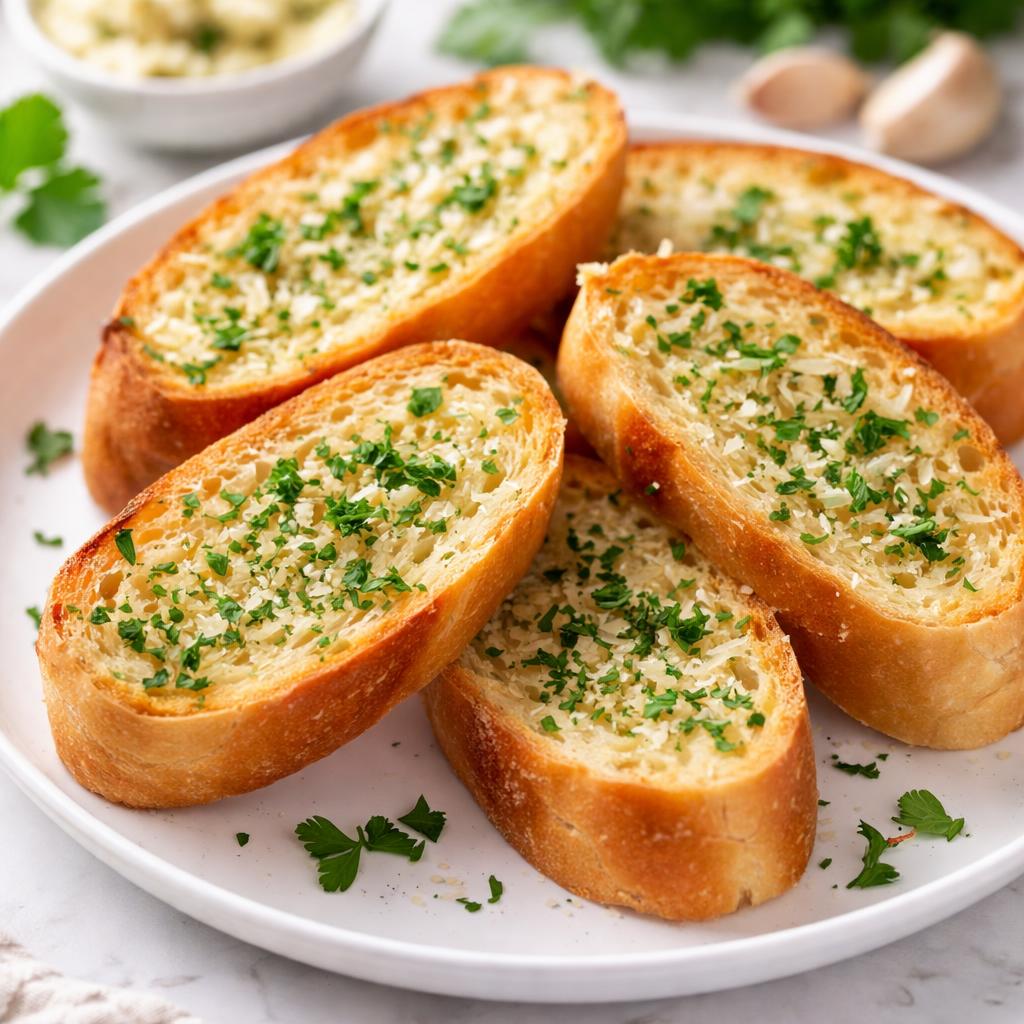
Garlic Bread
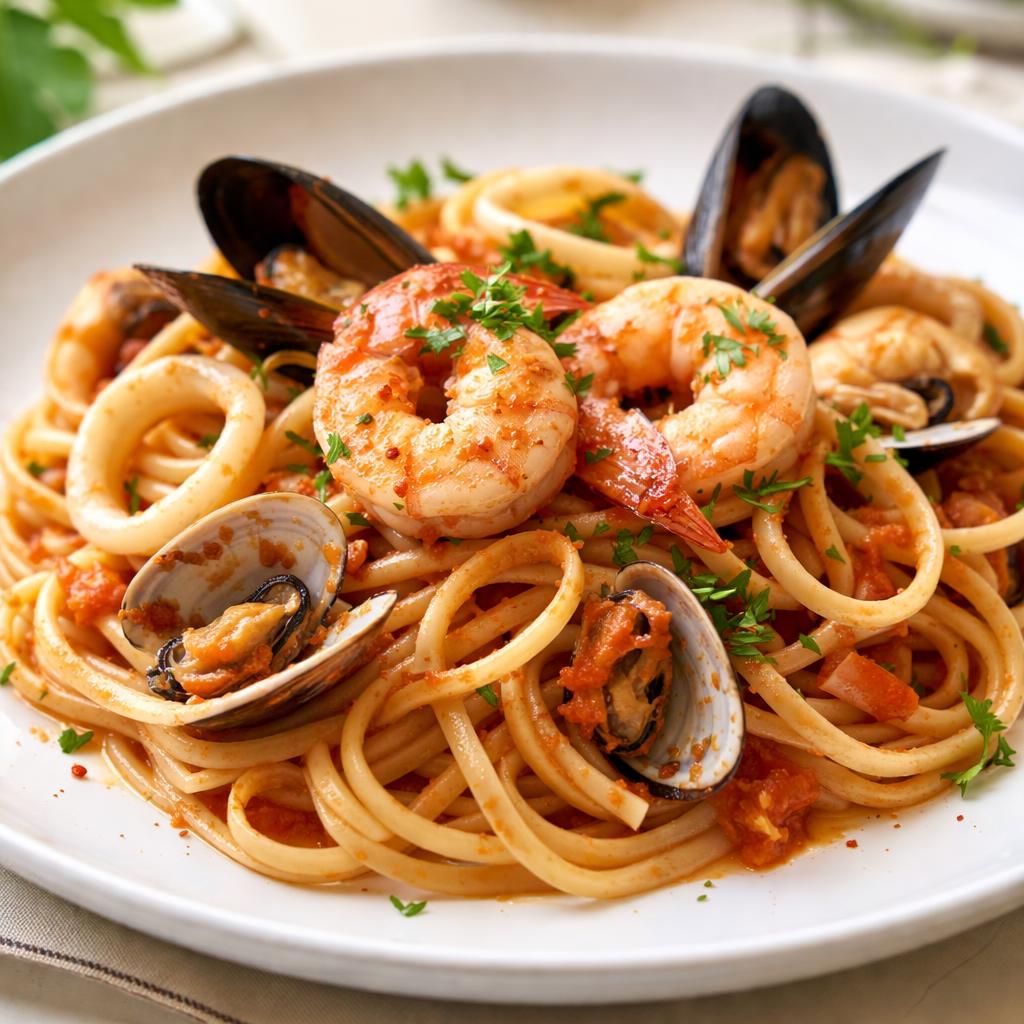
Seafood Pasta
🎯 Quick Verdict
Seafood pasta is higher in protein and provides a wider range of vitamins and minerals, making it ideal for balanced meals or energy-dense choices. Garlic bread has fewer calories and is moderately high in fiber, making it suitable as a lighter side dish or snack. Both foods have their own advantages depending on dietary goals.

Smart Nutrition Tracking with SnapCalorie

📊 Nutritional Comparison
Macronutrients
| Nutrient | Food 1 | Food 2 | Winner |
|---|---|---|---|
| Calories | 190 (per slice) | 400 (per serving) | ✓ |
| Protein | 5g | 20g | ✓ |
| Carbs | 22g | 35g | ✓ |
| Fat | 8g | 10g | ✓ |
| Fiber | 2g | 2g | − |
Vitamins & Minerals
| Nutrient | Food 1 | Food 2 | Winner |
|---|---|---|---|
| Vitamin D | 0mcg | 3mcg | ✓ |
| Calcium | 35mg | 100mg | ✓ |
| Iron | 1mg | 2mg | ✓ |
| Potassium | 50mg | 300mg | ✓ |
🏆 Category Winners
Protein
Seafood pasta has 4x more protein per serving than garlic bread.
Fiber
Both foods provide an equal amount of fiber.
Calories
Garlic bread has 52% fewer calories per serving compared to seafood pasta.
Vitamins
Seafood pasta is richer in essential vitamins and minerals like Vitamin D, Calcium, and Iron.
🥗 Diet Compatibility
Keto
Food 1: Not Compatible
Food 2: Not Compatible
Both foods are high in carbs and unsuitable for keto diets.
Vegan
Food 1: Not Compatible
Food 2: Not Compatible
Garlic bread contains butter, while seafood pasta contains non-vegan seafood.
Gluten Free
Food 1: Not Compatible
Food 2: Not Compatible
Both foods contain gluten from bread and pasta.
Paleo
Food 1: Not Compatible
Food 2: Not Compatible
Neither food adheres to paleo principles due to processed ingredients.
Low-Carb
Food 1: Not Compatible
Food 2: Not Compatible
Both foods are high in carbohydrates and do not fit low-carb diets.
💪 Health Benefits Comparison
Food 1 Benefits
- Provides a quick energy source as a carb-rich food
- Contains moderate amounts of fiber for digestion
- Can be fortified with herbs for additional nutrients
Food 2 Benefits
- High in protein for muscle growth and repair
- Contains omega-3 fatty acids from seafood for brain and heart health
- Rich in essential vitamins like Vitamin D and Calcium for bone health
- Provides sustained energy for active lifestyles
✅ The Bottom Line
Choose garlic bread for a lighter calorie option and as a flavorful side to complement meals. Seafood pasta is better for well-rounded, nutrient-dense meals that support muscle repair and sustained energy. Your choice should depend on dietary priorities such as calorie control vs nutrient variety.
Choose Food 1 for: Quick snacks, side dishes, calorie-conscious meals
Choose Food 2 for: Balanced meals, high-protein diets, post-workout recovery


