Garlic Bread VS Orzo Pasta
A detailed nutritional comparison
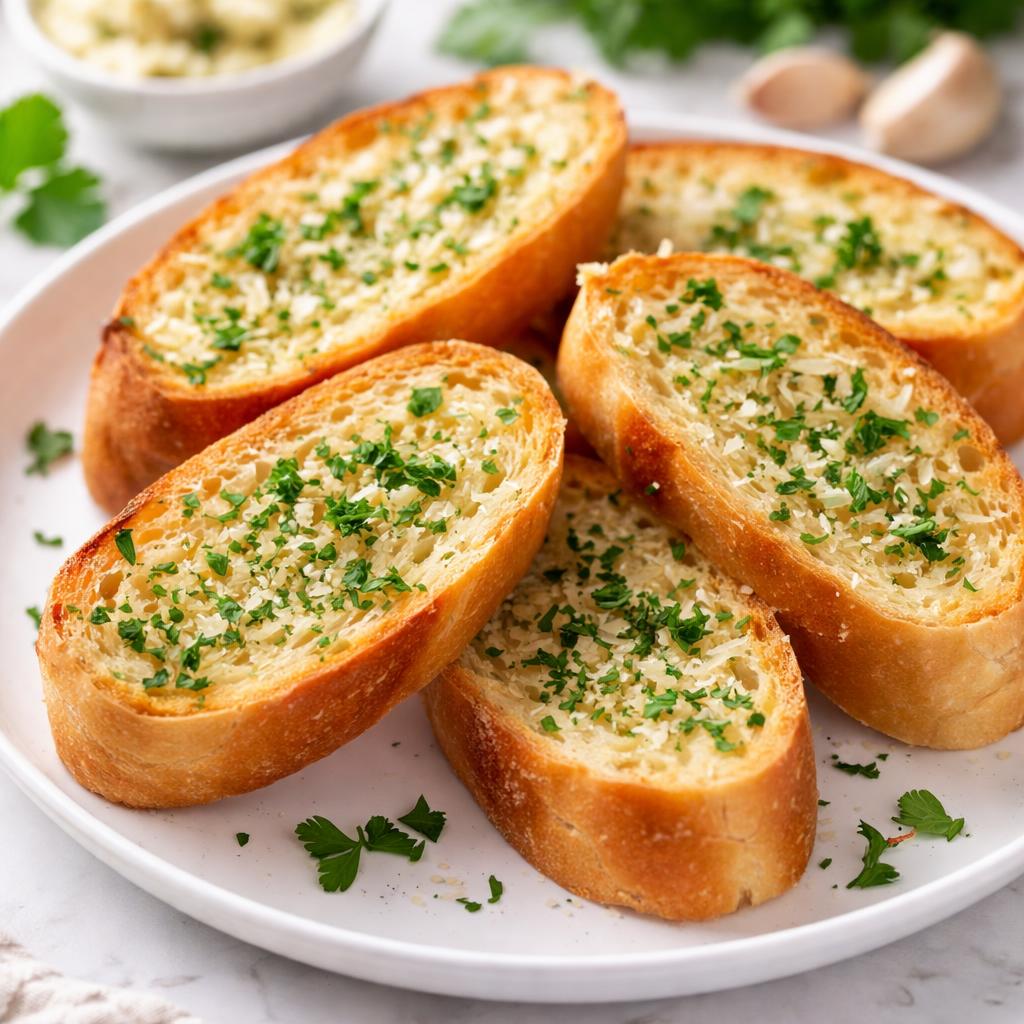
Garlic Bread
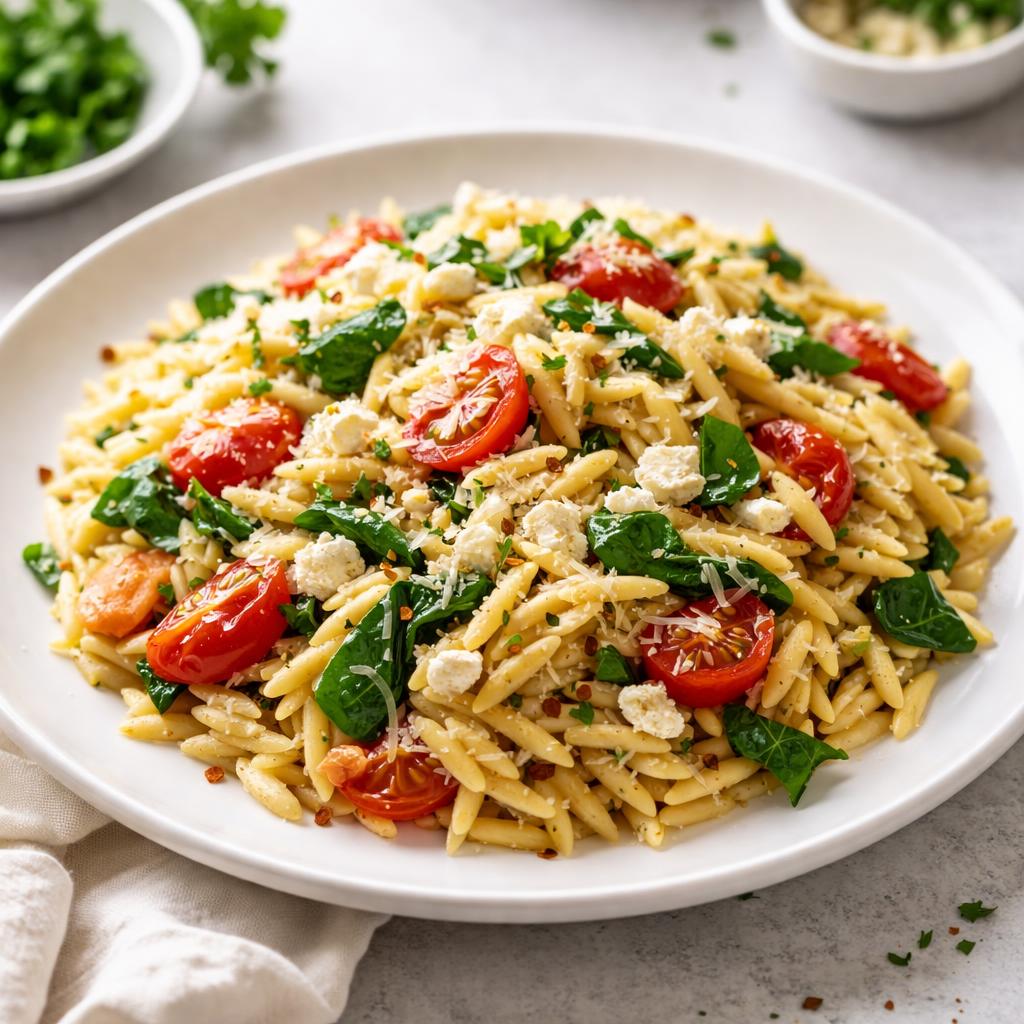
Orzo Pasta
🎯 Quick Verdict
Orzo pasta is lower in calories and provides more dietary fiber compared to garlic bread, making it a better choice for heart health and digestion. Garlic bread, however, is slightly richer in fats and sodium, making it indulgent but less suitable for those on restricted sodium or fat diets. Both foods contain trace minerals but have limited vitamins overall.

Smart Nutrition Tracking with SnapCalorie

📊 Nutritional Comparison
Macronutrients
| Nutrient | Food 1 | Food 2 | Winner |
|---|---|---|---|
| Calories | 350 per 100g | 130 per 100g | ✓ |
| Protein | 5g per 100g | 5g per 100g | − |
| Carbs | 40g per 100g | 25g per 100g | ✓ |
| Fat | 15g per 100g | 1g per 100g | ✓ |
| Fiber | 2g per 100g | 3g per 100g | ✓ |
Vitamins & Minerals
| Nutrient | Food 1 | Food 2 | Winner |
|---|---|---|---|
| Vitamin C | 1mg | 0mg | ✓ |
| Iron | 1mg | 1.5mg | ✓ |
| Calcium | 50mg | 10mg | ✓ |
🏆 Category Winners
Protein
Both foods contain roughly 5g of protein per 100g.
Fiber
Orzo pasta provides 50% more fiber (3g vs 2g).
Calories
Orzo pasta has significantly fewer calories (130 vs 350 per 100g).
🥗 Diet Compatibility
Keto
Food 1: Not Compatible
Food 2: Not Compatible
Both foods are carb-heavy and exceed keto limits.
Vegan
Food 1: Not Compatible
Food 2: Compatible
Garlic bread often contains butter, while orzo pasta is plant-based.
Gluten Free
Food 1: Not Compatible
Food 2: Not Compatible
Both foods contain gluten from wheat.
Paleo
Food 1: Not Compatible
Food 2: Not Compatible
Both are grain-based and not allowed in paleo diets.
Low Carb
Food 1: Not Compatible
Food 2: Not Compatible
Neither food is low-carb; garlic bread has 40g carbs and orzo pasta 25g per 100g.
💪 Health Benefits Comparison
Food 1 Benefits
- Provides energy due to high carbohydrate content
- Contains trace amounts of calcium for bone strength
- Rich flavor makes it satisfying for indulgence
Food 2 Benefits
- Lower calorie option for weight control
- Higher in fiber to support digestion
- Contains more iron, supporting healthy blood circulation
✅ The Bottom Line
Choose garlic bread for its indulgent taste and satisfying texture, but be mindful of its higher calorie and fat content. Orzo pasta is the healthier choice for those seeking fewer calories, more fiber, and balanced nutrition overall.
Choose Food 1 for: Cheat meals, satisfying cravings, rich flavor profiles
Choose Food 2 for: Weight management, digestive health, versatile cooking


