Garlic Bread VS Homemade Bread
A detailed nutritional comparison
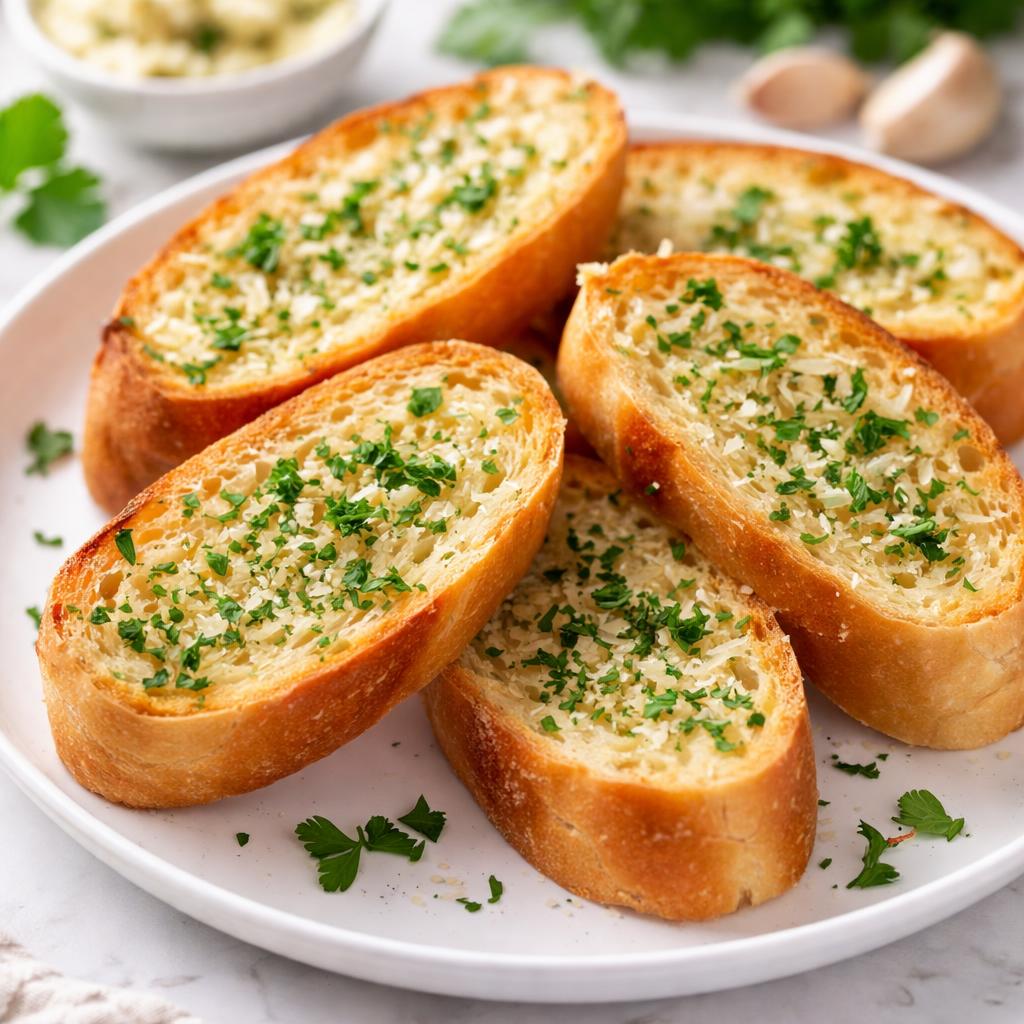
Garlic Bread
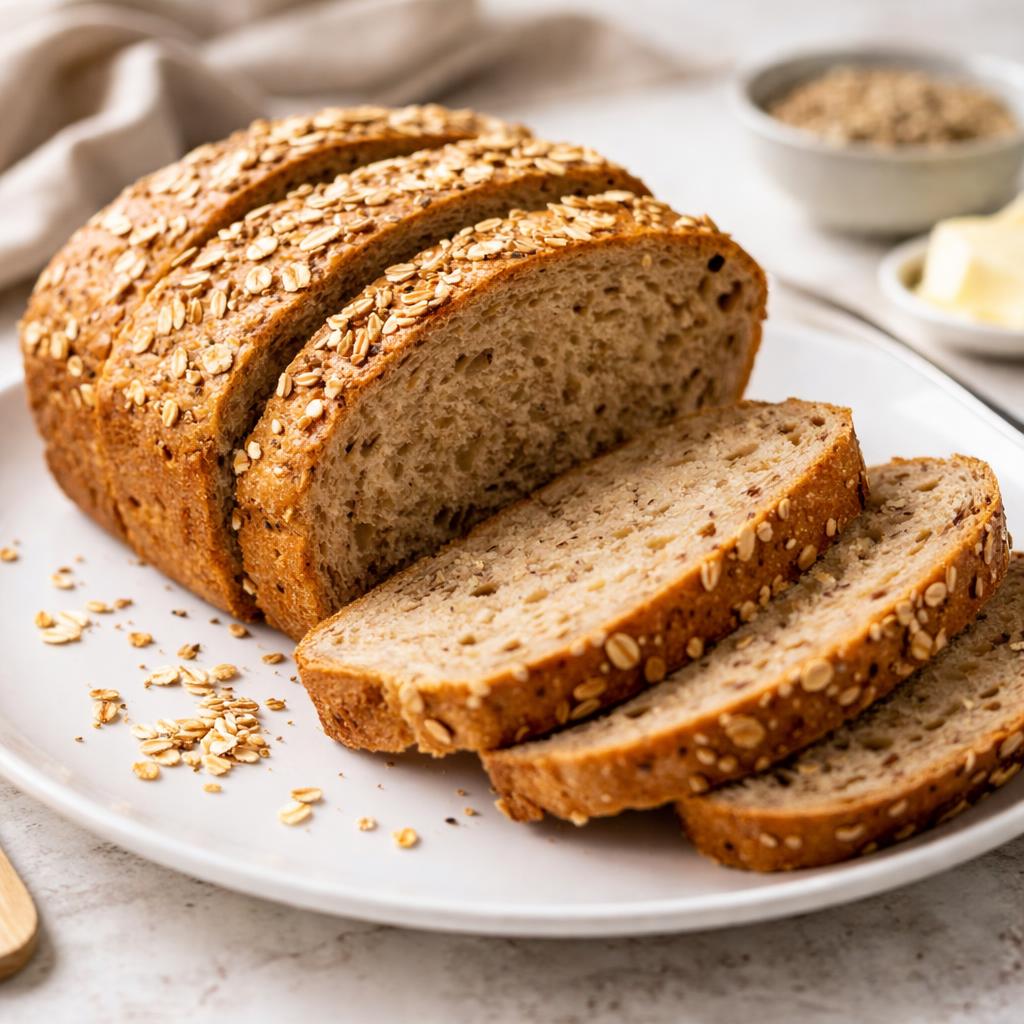
Homemade Bread
🎯 Quick Verdict
Homemade bread is a healthier option overall compared to garlic bread. Homemade bread has fewer calories, less added fat, and more fiber per serving, making it better for general health and weight management. Garlic bread, while tasty, is higher in fat and sodium and best reserved for occasional indulgence or as a flavorful complement to meals.

Smart Nutrition Tracking with SnapCalorie

📊 Nutritional Comparison
Macronutrients
| Nutrient | Food 1 | Food 2 | Winner |
|---|---|---|---|
| Calories | 200 | 150 | ✓ |
| Protein | 6g | 8g | ✓ |
| Carbs | 25g | 30g | ✓ |
| Fat | 8g | 2g | ✓ |
| Fiber | 2g | 3g | ✓ |
Vitamins & Minerals
| Nutrient | Food 1 | Food 2 | Winner |
|---|---|---|---|
| Vitamin D | 0mcg | 0mcg | − |
| Calcium | 30mg | 40mg | ✓ |
| Iron | 1mg | 2mg | ✓ |
🏆 Category Winners
Protein
Homemade bread has 33% more protein per serving than garlic bread.
Fiber
Homemade bread contains 50% more fiber for better digestion.
Calories
Homemade bread has 25% fewer calories per serving.
Vitamins
Homemade bread is slightly higher in calcium and iron.
🥗 Diet Compatibility
Keto
Food 1: Not Compatible
Food 2: Not Compatible
Both foods are high in carbs and not suitable for keto diets.
Vegan
Food 1: Depends on recipe
Food 2: Depends on recipe
Both can be made vegan if dairy and egg products are excluded.
Gluten Free
Food 1: Not Compatible
Food 2: Not Compatible
Neither food is gluten-free as they are made with wheat flour.
Paleo
Food 1: Not Compatible
Food 2: Not Compatible
Both foods contain grains, which are not allowed on paleo diets.
Low-Carb
Food 1: Not Compatible
Food 2: Not Compatible
Both foods are high in carbs, exceeding typical low-carb limits.
💪 Health Benefits Comparison
Food 1 Benefits
- Adds flavor and variety to meals
- Provides quick energy from carbs
- Contains some fats for satiety
Food 2 Benefits
- Higher in protein for muscle support
- Good source of fiber to aid digestion
- Lower in calories for weight management
- Provides essential minerals like iron and calcium
✅ The Bottom Line
For those focused on health or weight management, homemade bread is a superior option due to its higher nutrient density and lower calories and fat. Garlic bread excels as a flavorful indulgence but should be consumed in moderation due to its higher fat and sodium content.
Choose Food 1 for: Flavorful side dishes, occasional indulgences, pairing with Italian meals
Choose Food 2 for: Healthier daily bread options, weight management diets, high-fiber diets


