Garlic Bread VS Challah Bread
A detailed nutritional comparison
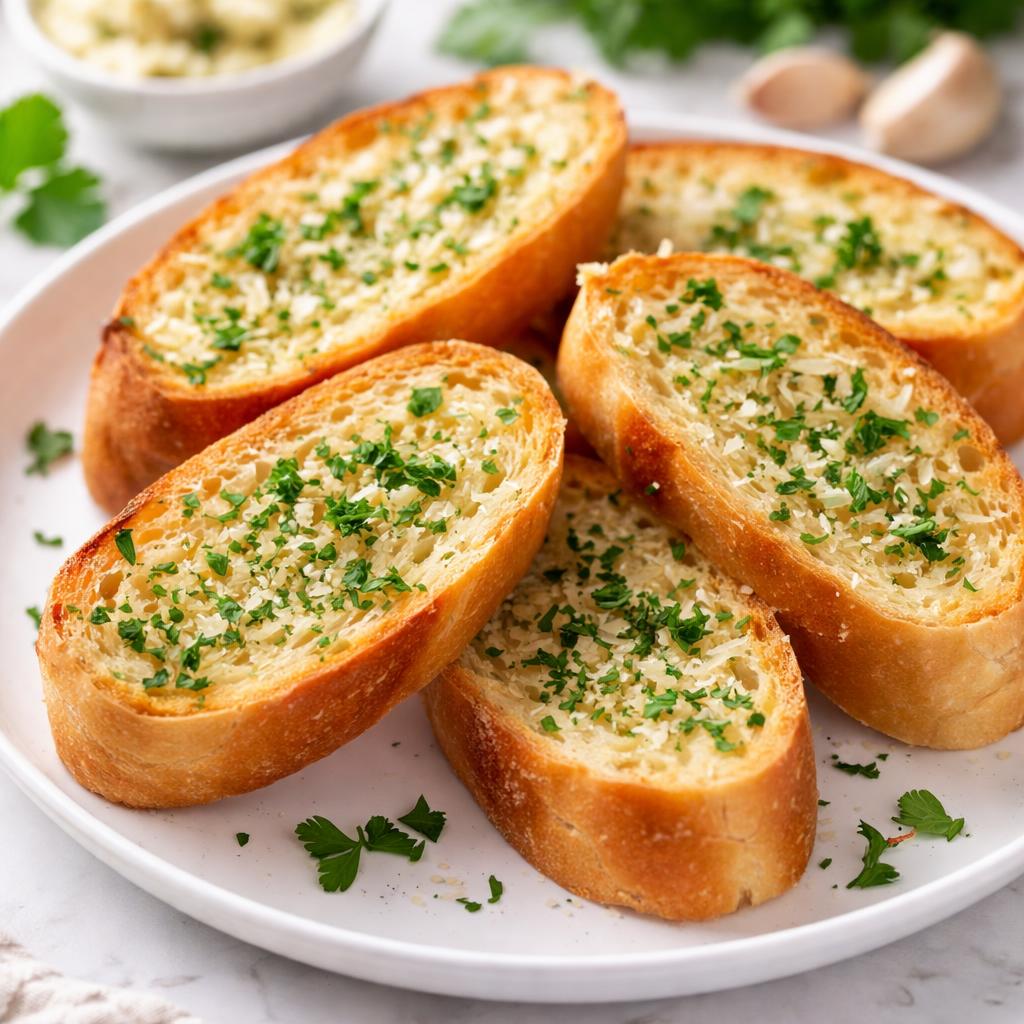
Garlic Bread
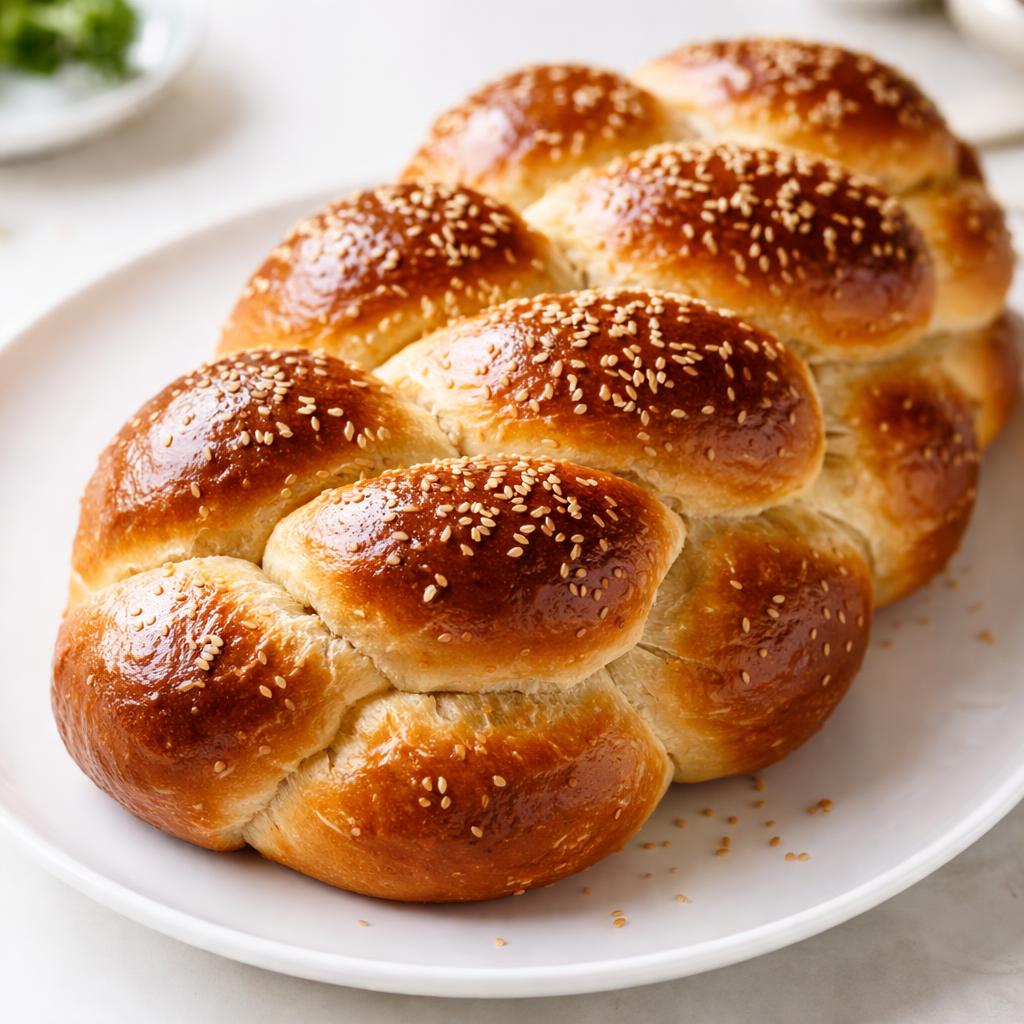
Challah Bread
🎯 Quick Verdict
Garlic bread and challah bread differ significantly in their nutritional profiles. Garlic bread is higher in fiber and often contains extra flavor additives, while challah bread has slightly more protein and fewer calories per serving. Garlic bread is great for adding texture and seasoning to meals, whereas challah is ideal for energy and versatile use in sweet or savory dishes.

Smart Nutrition Tracking with SnapCalorie

📊 Nutritional Comparison
Macronutrients
| Nutrient | Food 1 | Food 2 | Winner |
|---|---|---|---|
| Calories | 200 | 150 | ✓ |
| Protein | 5g | 7g | ✓ |
| Carbs | 25g | 28g | ✓ |
| Fat | 10g | 6g | ✓ |
| Fiber | 2g | 1g | ✓ |
Vitamins & Minerals
| Nutrient | Food 1 | Food 2 | Winner |
|---|---|---|---|
| Vitamin A | 150IU | 100IU | ✓ |
| Calcium | 60mg | 40mg | ✓ |
| Iron | 1.2mg | 1.3mg | ✓ |
🏆 Category Winners
Protein
Challah bread has 40% more protein per serving.
Fiber
Garlic bread contains twice as much fiber compared to challah bread.
Calories
Challah bread is 25% lower in calories.
Vitamins
Garlic bread contains slightly higher levels of calcium and vitamin A.
🥗 Diet Compatibility
Keto
Food 1: Not Compatible
Food 2: Not Compatible
Both are high in carbs and not suitable for keto diets.
Vegan
Food 1: Not Compatible
Food 2: Not Compatible
Both typically contain dairy or eggs.
Gluten Free
Food 1: Not Compatible
Food 2: Not Compatible
Both are made from wheat flour.
Paleo
Food 1: Not Compatible
Food 2: Not Compatible
Neither fits a grain-free paleo diet.
Low-Carb
Food 1: Not Compatible
Food 2: Not Compatible
Both are carbohydrate-rich bread.
💪 Health Benefits Comparison
Food 1 Benefits
- Provides fiber for digestive health
- Contains garlic which offers immune-boosting properties
- Rich in flavor, reducing the need for additional condiments or butter
Food 2 Benefits
- Provides protein for muscle maintenance and repair
- Lower in calories for portion control in calorie-conscious diets
- Versatile option for both sweet and savory recipes
✅ The Bottom Line
Choose garlic bread when you want more fiber and a stronger flavor profile ideal for pairing with soups or Italian dishes. Opt for challah bread when you need a lower calorie, higher protein option for versatile meals, such as sandwiches or French toast.
Choose Food 1 for: Flavorful sides, higher fiber intake, pairing with soups or pasta
Choose Food 2 for: Versatile dishes, energy boost, protein-rich snacks or meals


