Fusilli Pasta VS Pasta With Tomato Sauce
A detailed nutritional comparison
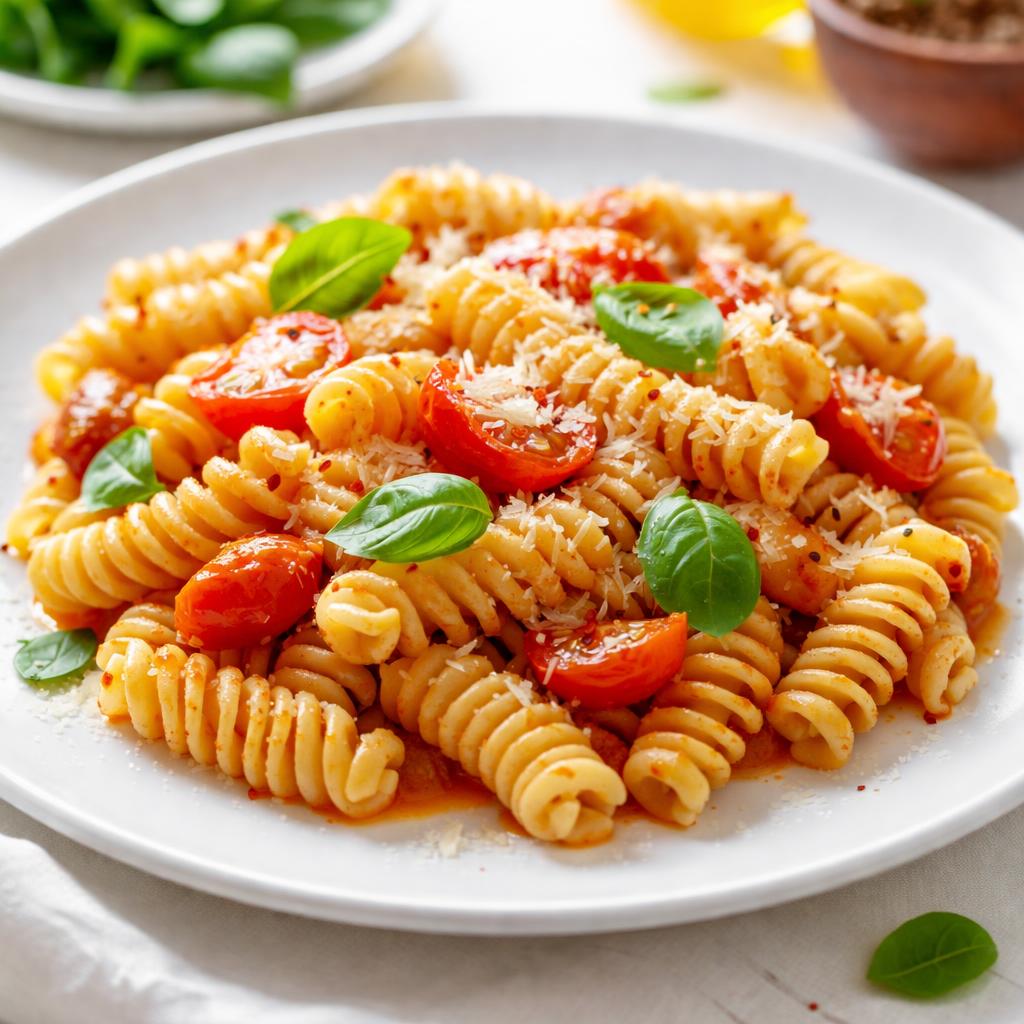
Fusilli Pasta
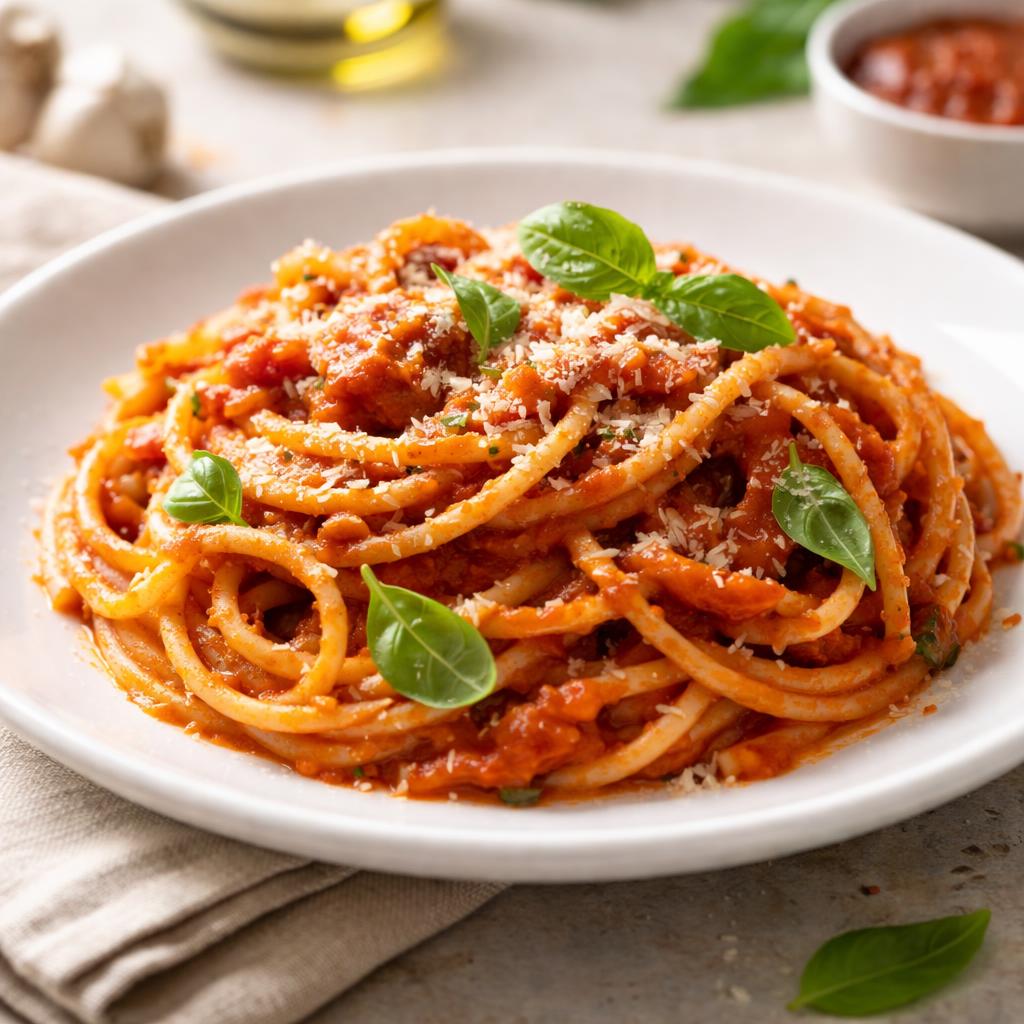
Pasta With Tomato Sauce
🎯 Quick Verdict
Fusilli pasta (food1) is lower in calories and higher in protein compared to pasta with tomato sauce (food2), making it a better option for those watching their weight or seeking muscle-building meals. However, food2 offers more fiber and is richer in vitamins due to the tomato sauce, providing a heart-healthy and nutrient-dense option for balanced meals.

Smart Nutrition Tracking with SnapCalorie

📊 Nutritional Comparison
Macronutrients
| Nutrient | Food 1 | Food 2 | Winner |
|---|---|---|---|
| Calories | 200 | 250 | ✓ |
| Protein | 7g | 4g | ✓ |
| Carbs | 40g | 45g | ✓ |
| Fat | 1g | 3g | ✓ |
| Fiber | 2g | 3g | ✓ |
Vitamins & Minerals
| Nutrient | Food 1 | Food 2 | Winner |
|---|---|---|---|
| Vitamin A | 5mcg | 450mcg | ✓ |
| Vitamin C | 0mg | 8mg | ✓ |
| Calcium | 15mg | 25mg | ✓ |
| Iron | 1mg | 1.5mg | ✓ |
🏆 Category Winners
Protein
Fusilli pasta has nearly double the protein per serving compared to pasta with tomato sauce.
Fiber
The tomato sauce adds more fiber, making food2 richer in digestion-supporting nutrients.
Calories
Food1 has 20% fewer calories, making it the lower-calorie option.
Vitamins
Tomato sauce boosts vitamin levels, especially vitamin A and C.
🥗 Diet Compatibility
Keto
Food 1: Not Compatible
Food 2: Not Compatible
Both foods are high in carbohydrates and unsuitable for a keto diet.
Vegan
Food 1: Compatible
Food 2: Compatible
Neither food contains animal products, ideal for vegan diets.
Gluten Free
Food 1: Not Compatible
Food 2: Not Compatible
Both foods contain gluten unless using gluten-free alternatives.
Paleo
Food 1: Not Compatible
Food 2: Not Compatible
Grains used in pasta are excluded from paleo diets.
Low-Carb
Food 1: Not Compatible
Food 2: Not Compatible
Both foods exceed typical low-carb thresholds due to high carbohydrate content.
💪 Health Benefits Comparison
Food 1 Benefits
- Rich in carbohydrates for energy
- Low in fat, suitable for weight management
- Contains moderate protein for muscle maintenance
Food 2 Benefits
- High in antioxidants, especially from tomatoes
- Provides vitamins A and C for immune health
- Rich in fiber for digestive support
✅ The Bottom Line
Food1 is ideal for those prioritizing protein and calorie control, making it suitable for weight management and active lifestyles. Food2 is a more nutrient-dense option with added vitamins and fiber, perfect for balanced meals and heart health.
Choose Food 1 for: Weight control, muscle maintenance, energy for active lifestyles
Choose Food 2 for: Heart health, immune support, balanced nutrition


