Fried Rice VS Whole Bread
A detailed nutritional comparison
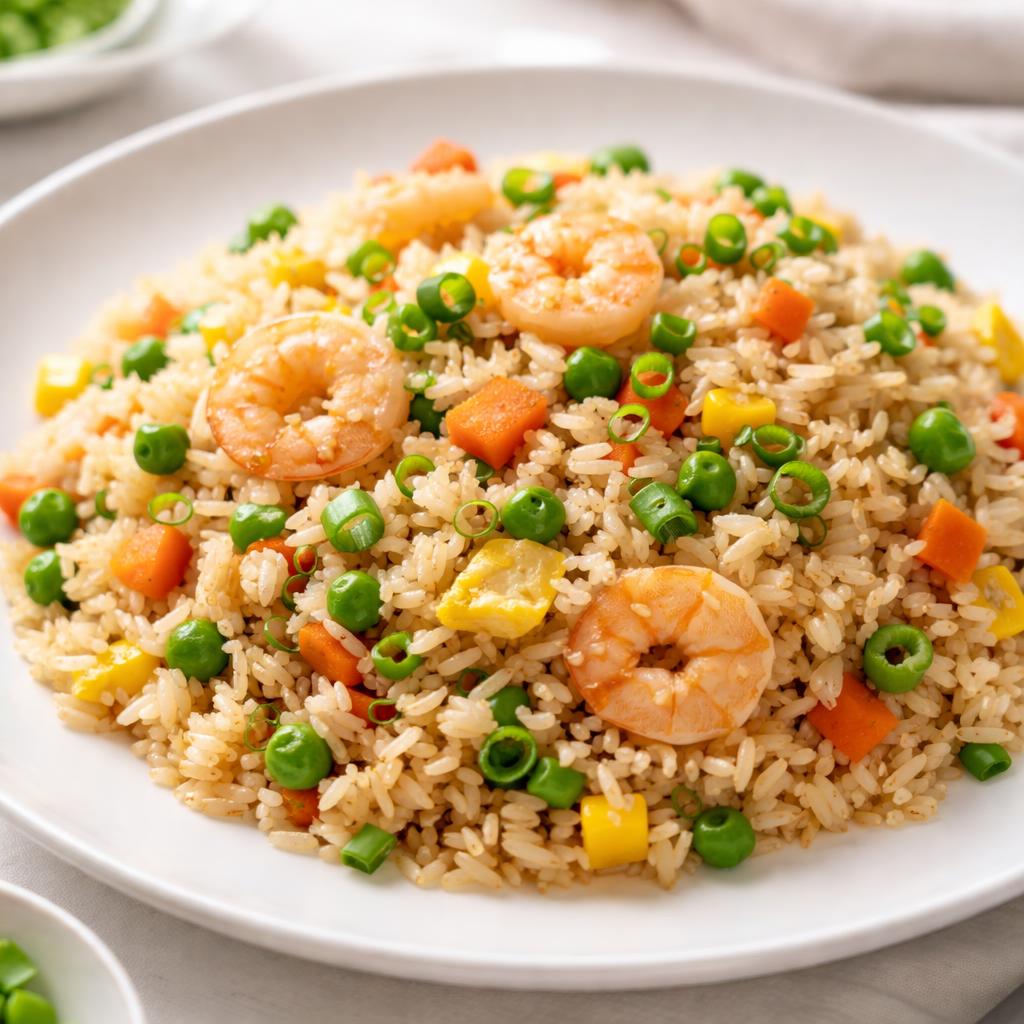
Fried Rice
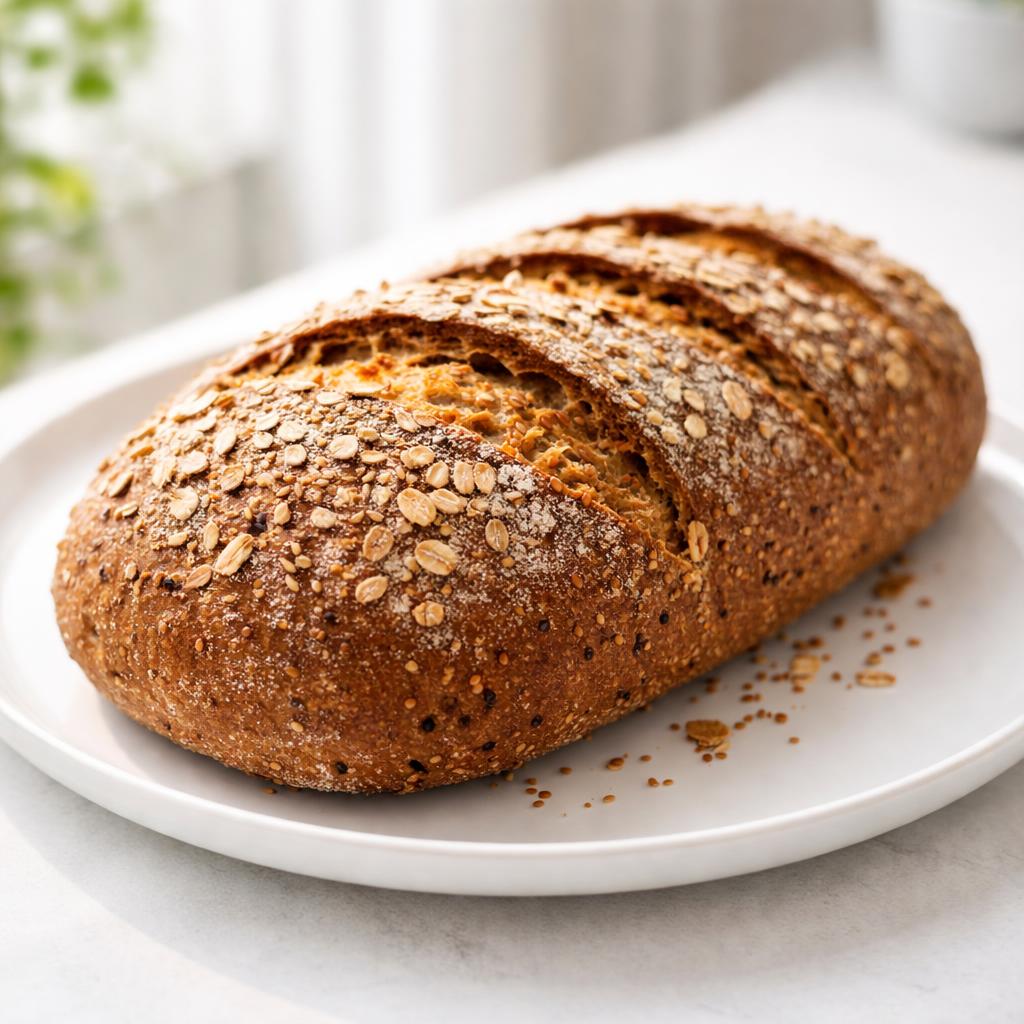
Whole Bread
🎯 Quick Verdict
Whole bread provides more fiber, protein, and is lower in calories compared to fried rice, making it a healthier choice for those focused on weight management and digestive health. Fried rice, while more flavorful and energy-dense, is higher in carbs and fat, making it better suited for those needing quick energy or indulging in a satisfying meal.

Smart Nutrition Tracking with SnapCalorie

📊 Nutritional Comparison
Macronutrients
| Nutrient | Food 1 | Food 2 | Winner |
|---|---|---|---|
| Calories | 250 | 120 | ✓ |
| Protein | 6g | 9g | ✓ |
| Carbs | 40g | 20g | ✓ |
| Fat | 8g | 2g | ✓ |
| Fiber | 1.5g | 4g | ✓ |
Vitamins & Minerals
| Nutrient | Food 1 | Food 2 | Winner |
|---|---|---|---|
| Vitamin B1 (Thiamine) | 0.3mg | 0.4mg | ✓ |
| Vitamin B3 (Niacin) | 2.5mg | 5mg | ✓ |
| Iron | 0.8mg | 1.2mg | ✓ |
🏆 Category Winners
Protein
Whole bread provides 50% more protein per serving.
Fiber
Whole bread packs nearly 3 times more fiber than fried rice.
Calories
Whole bread is nearly 50% lower in calories.
Vitamins
Whole bread is richer in essential B vitamins and iron.
🥗 Diet Compatibility
Keto
Food 1: Not Compatible
Food 2: Not Compatible
Both are high-carb foods.
Vegan
Food 1: Compatible
Food 2: Compatible
Both can fit into a vegan diet depending on preparation.
Gluten Free
Food 1: Compatible (if gluten-free rice is used)
Food 2: Not Compatible
Fried rice can be gluten-free, while whole bread typically contains gluten.
Paleo
Food 1: Not Compatible
Food 2: Not Compatible
Neither fits strict paleo criteria due to grains.
Low-Carb
Food 1: Not Compatible
Food 2: Not Compatible
Both exceed low-carb thresholds with 20-40g carbs per serving.
💪 Health Benefits Comparison
Food 1 Benefits
- Provides quick and accessible energy with higher carbs
- Can be fortified with vegetables for added nutrients
- Helps satisfy cravings for flavorful meals
Food 2 Benefits
- High in fiber promotes better digestion and gut health
- Lower calorie density aids in weight management
- Good source of slow-digesting carbs for sustained energy
- Rich in vitamins and minerals supporting overall health
✅ The Bottom Line
Fried rice is ideal for indulging in a savory meal or for those in need of quick energy from carbs and higher fat. Whole bread, on the other hand, is better suited for balanced diets focused on weight control, providing more protein, fiber, and fewer calories. Choose fried rice for flavor and energy, and whole bread for long-term nutrition and digestive health.
Choose Food 1 for: Quick energy boost, flavor-rich meals, customizable to add variety
Choose Food 2 for: Weight management, high-fiber diets, sustained energy and overall nutrition


