Fried Rice VS White Bread
A detailed nutritional comparison
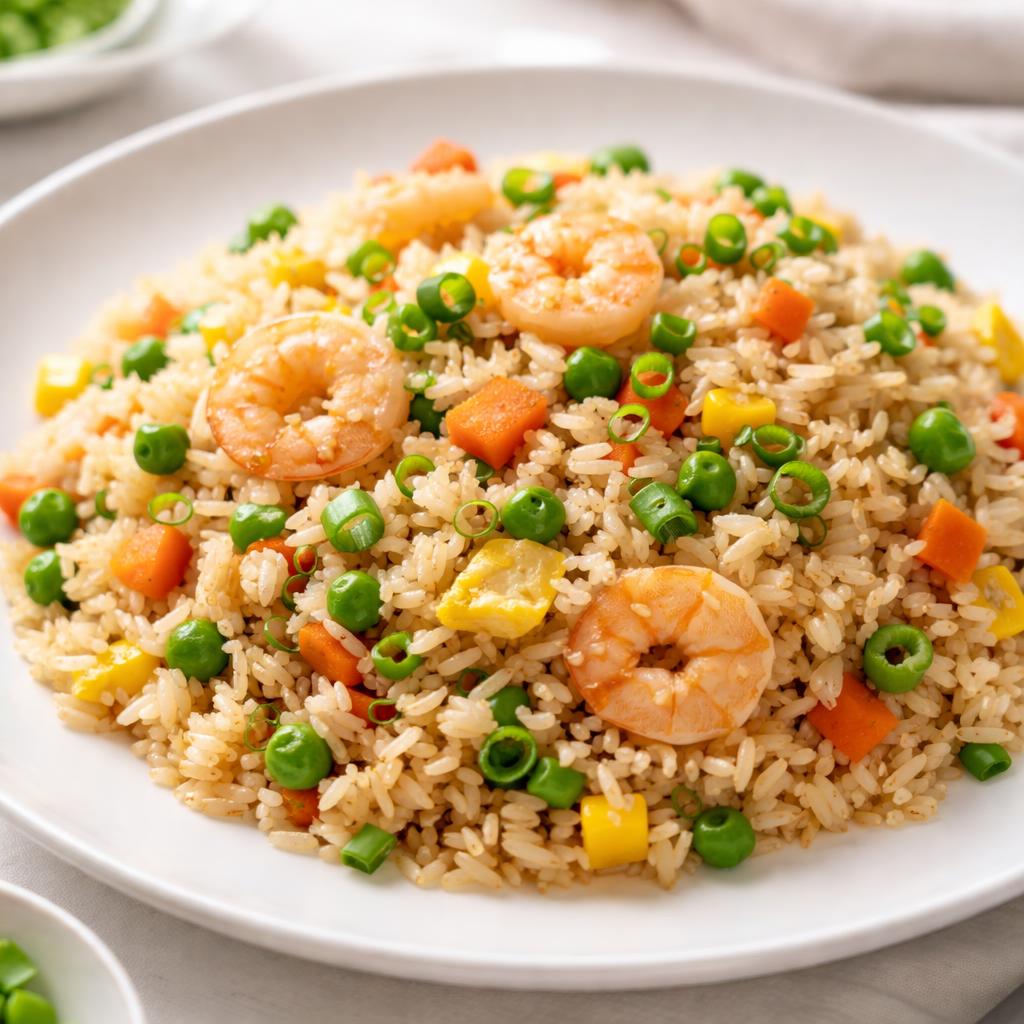
Fried Rice
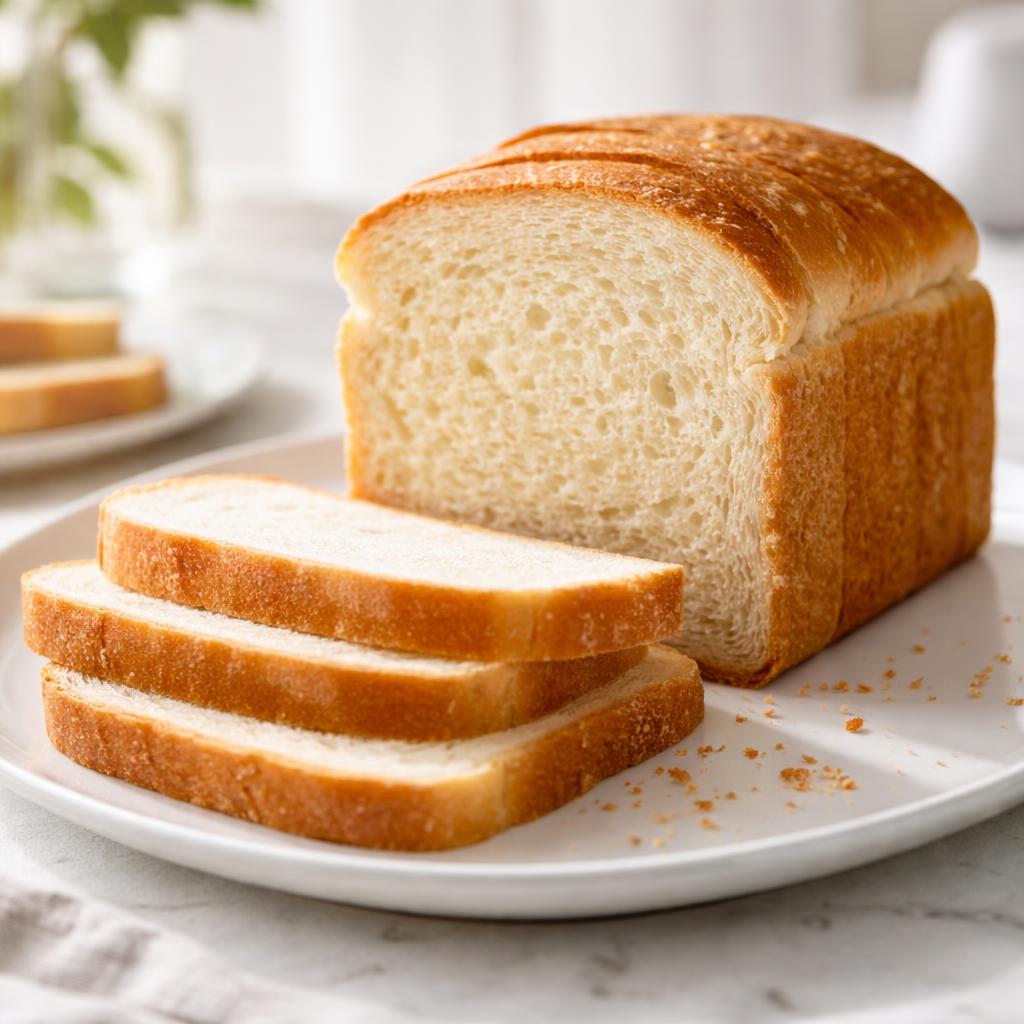
White Bread
🎯 Quick Verdict
Fried rice is the more balanced choice nutritionally, providing higher protein and fiber content, along with more vitamins and minerals. White bread has fewer calories and is ideal for quick energy but lacks the nutrient density of fried rice. Fried rice is better for a meal, while white bread is more suitable for a simple snack or pairing with other foods.

Smart Nutrition Tracking with SnapCalorie

📊 Nutritional Comparison
Macronutrients
| Nutrient | Food 1 | Food 2 | Winner |
|---|---|---|---|
| Calories | 250 | 130 | ✓ |
| Protein | 6g | 4g | ✓ |
| Carbs | 34g | 25g | ✓ |
| Fat | 8g | 1g | ✓ |
| Fiber | 2g | 1g | ✓ |
Vitamins & Minerals
| Nutrient | Food 1 | Food 2 | Winner |
|---|---|---|---|
| Vitamin B6 | 0.1mg | 0.02mg | ✓ |
| Calcium | 40mg | 25mg | ✓ |
| Iron | 2mg | 1mg | ✓ |
🏆 Category Winners
Protein
Food1 has 50% more protein per serving.
Fiber
Food1 provides twice the fiber of food2.
Calories
Food2 has approximately 48% fewer calories.
Vitamins
Food1 contains higher amounts of calcium, iron, and vitamin B6.
🥗 Diet Compatibility
Keto
Food 1: Not Compatible
Food 2: Not Compatible
Both foods are high in carbs and not suitable for keto diets.
Vegan
Food 1: Depends
Food 2: Compatible
Fried rice must be checked for eggs and animal-based ingredients; white bread is typically vegan.
Gluten Free
Food 1: Not Compatible
Food 2: Not Compatible
Both contain gluten due to rice (potential soy sauce) and wheat in bread.
Paleo
Food 1: Not Compatible
Food 2: Not Compatible
Neither aligns with paleo principles due to grains.
Low-Carb
Food 1: Not Compatible
Food 2: Not Compatible
Both foods exceed typical low-carb limits due to high carbohydrate content.
💪 Health Benefits Comparison
Food 1 Benefits
- Provides a balanced mix of macronutrients for sustained energy.
- Higher fiber content supports digestion and gut health.
- Rich in essential minerals like iron for energy production.
Food 2 Benefits
- Low in calories, making it suitable for weight management.
- Quick source of simple carbohydrates for immediate energy.
- Often fortified with vitamins such as B vitamins and iron.
✅ The Bottom Line
Choose fried rice for a heartier, nutrient-dense meal with better protein and fiber content. Opt for white bread if you need fewer calories and quicker energy, though pairing it with additional toppings may be beneficial for nutritional balance.
Choose Food 1 for: Balanced meals, sustained energy, nutrient density
Choose Food 2 for: Snacks, light meals, calorie-conscious diets


