Fried Rice VS Seasoned Rice
A detailed nutritional comparison
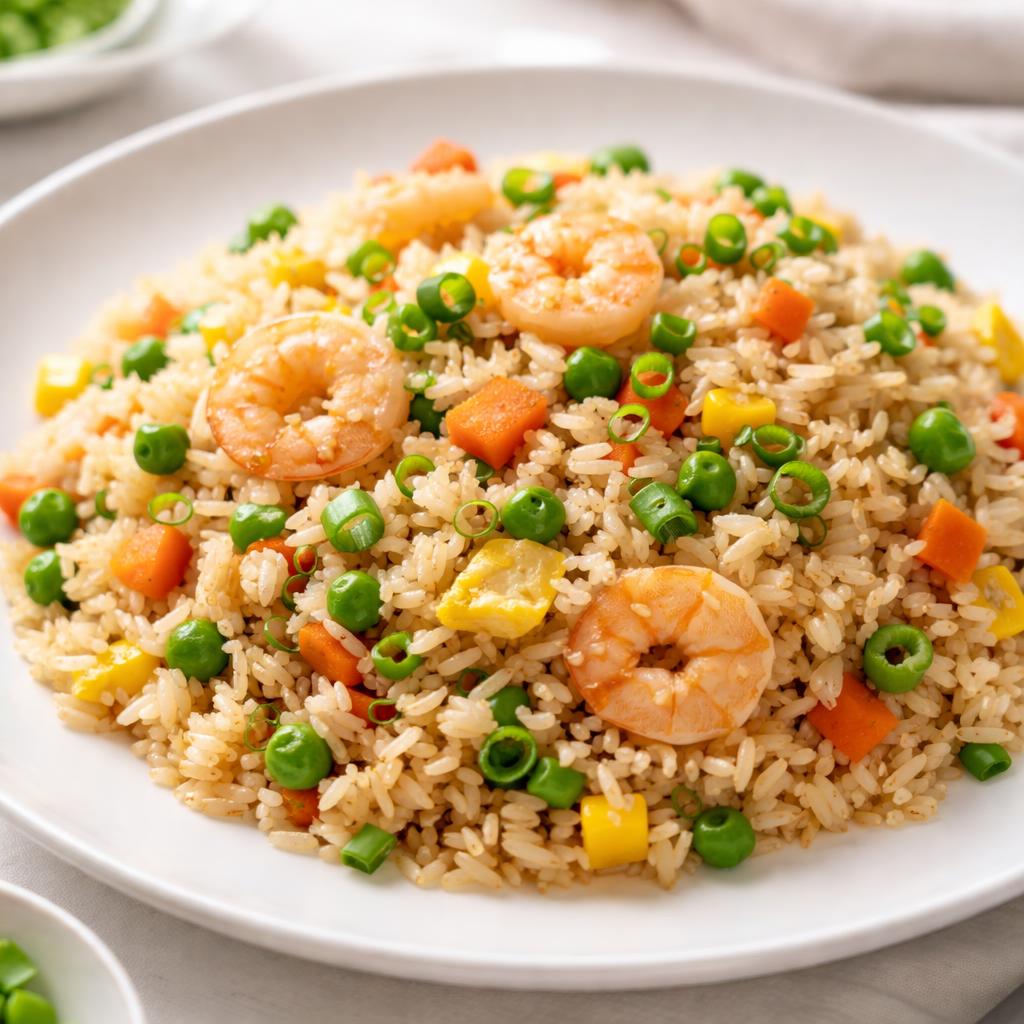
Fried Rice
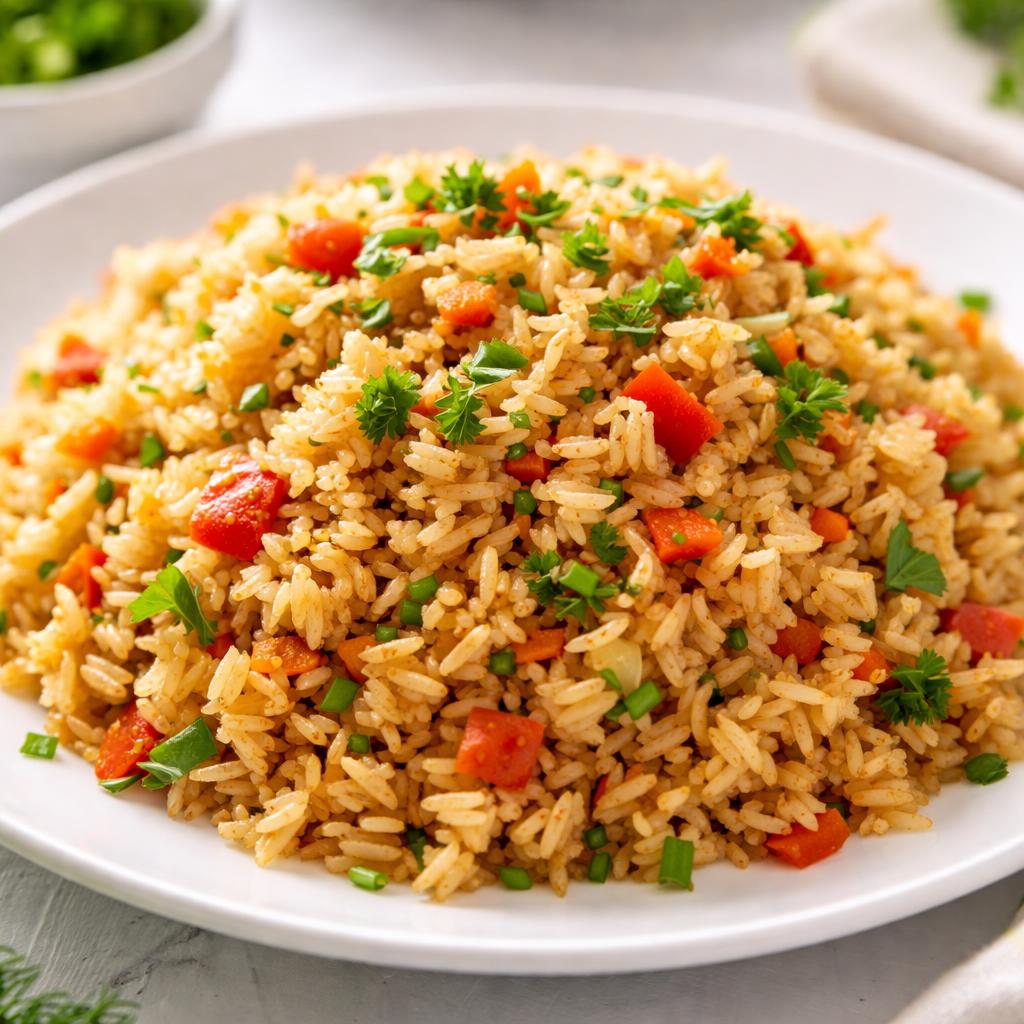
Seasoned Rice
🎯 Quick Verdict
Seasoned rice outperforms fried rice in terms of caloric content (lower by 40%) and fiber (higher by 50%). Fried rice, while tasty, is significantly higher in fat and calories due to the oil used during preparation. Choose seasoned rice for a lighter, lower-calorie option, and fried rice for its richer flavor and energy boost in active lifestyles.

Smart Nutrition Tracking with SnapCalorie

📊 Nutritional Comparison
Macronutrients
| Nutrient | Food 1 | Food 2 | Winner |
|---|---|---|---|
| Calories | 250 | 150 | ✓ |
| Protein | 5g | 5g | − |
| Carbs | 40g | 35g | ✓ |
| Fat | 7g | 2g | ✓ |
| Fiber | 1g | 2g | ✓ |
Vitamins & Minerals
| Nutrient | Food 1 | Food 2 | Winner |
|---|---|---|---|
| Vitamin D | 0mcg | 0mcg | − |
| Calcium | 15mg | 20mg | ✓ |
| Iron | 1mg | 1.5mg | ✓ |
🏆 Category Winners
Protein
Both foods contain the same protein content per serving (5g).
Fiber
Seasoned rice has double the fiber compared to fried rice.
Calories
Seasoned rice contains 40% fewer calories, making it a lighter option.
🥗 Diet Compatibility
Keto
Food 1: Not Compatible
Food 2: Not Compatible
Both foods are high in carbohydrates and not suitable for keto diets.
Vegan
Food 1: Compatible
Food 2: Compatible
Neither food contains animal products and can easily fit a vegan diet.
Gluten Free
Food 1: Compatible
Food 2: Compatible
Both dishes are typically gluten-free unless additives change this.
Paleo
Food 1: Not Compatible
Food 2: Not Compatible
Rice is not considered paleo due to its agricultural origins.
Low Carb
Food 1: Not Compatible
Food 2: Not Compatible
Both foods are too high in carbs for a low-carb diet.
💪 Health Benefits Comparison
Food 1 Benefits
- Provides quick energy due to higher carbohydrate content
- Rich taste thanks to added fat from oil during preparation
- Can provide iron for oxygen transport in the body
Food 2 Benefits
- Lower calorie content supports weight management
- Higher fiber content aids in digestion and satiety
- Slightly higher iron and calcium make it beneficial for bone and blood health
✅ The Bottom Line
Seasoned rice is better for those seeking lighter meals, improved digestion, and weight control due to its lower calorie and fat content. Fried rice has its place for individuals needing a calorie boost or seeking flavorful post-workout recovery with higher energy density.
Choose Food 1 for: Active individuals, energy-rich meals, flavor-centric diets
Choose Food 2 for: Weight management, digestion optimization, low-fat diets


