Fried Rice VS Chinese Noodles
A detailed nutritional comparison
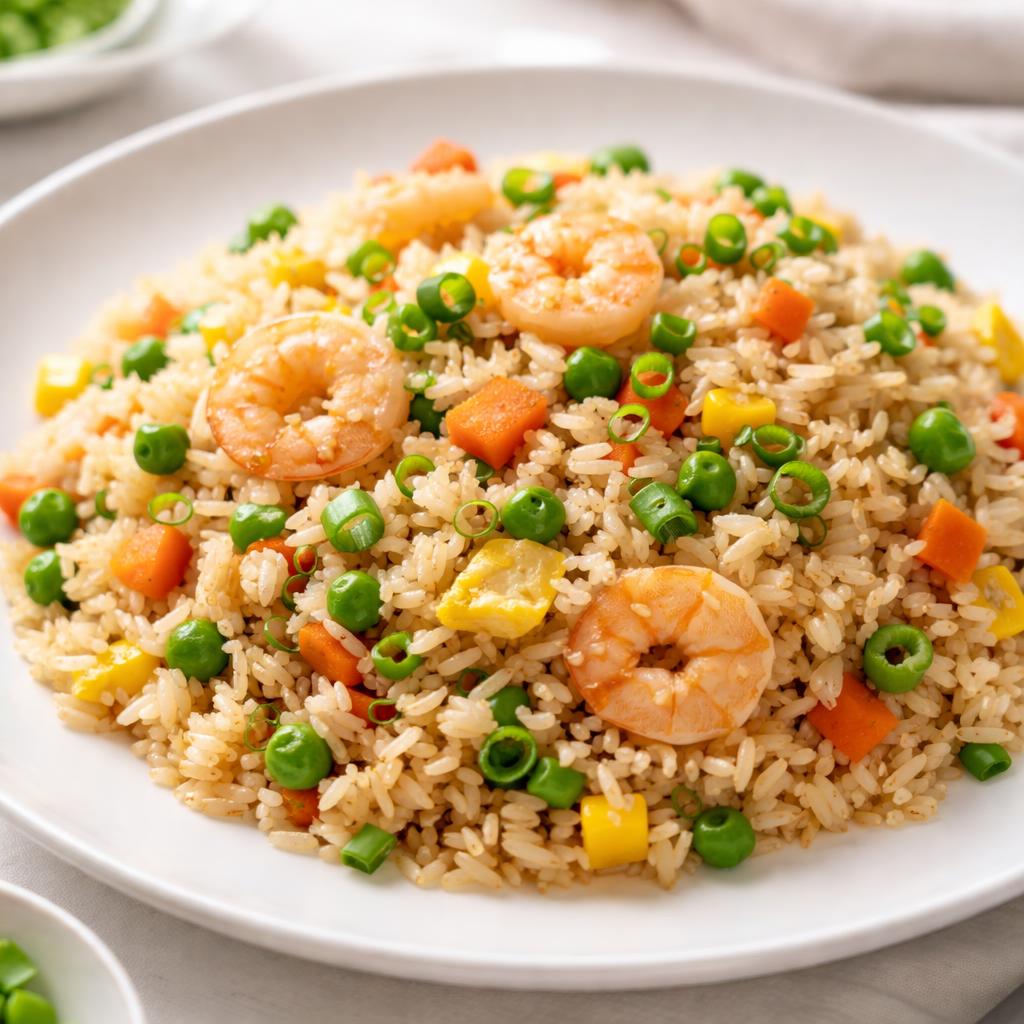
Fried Rice
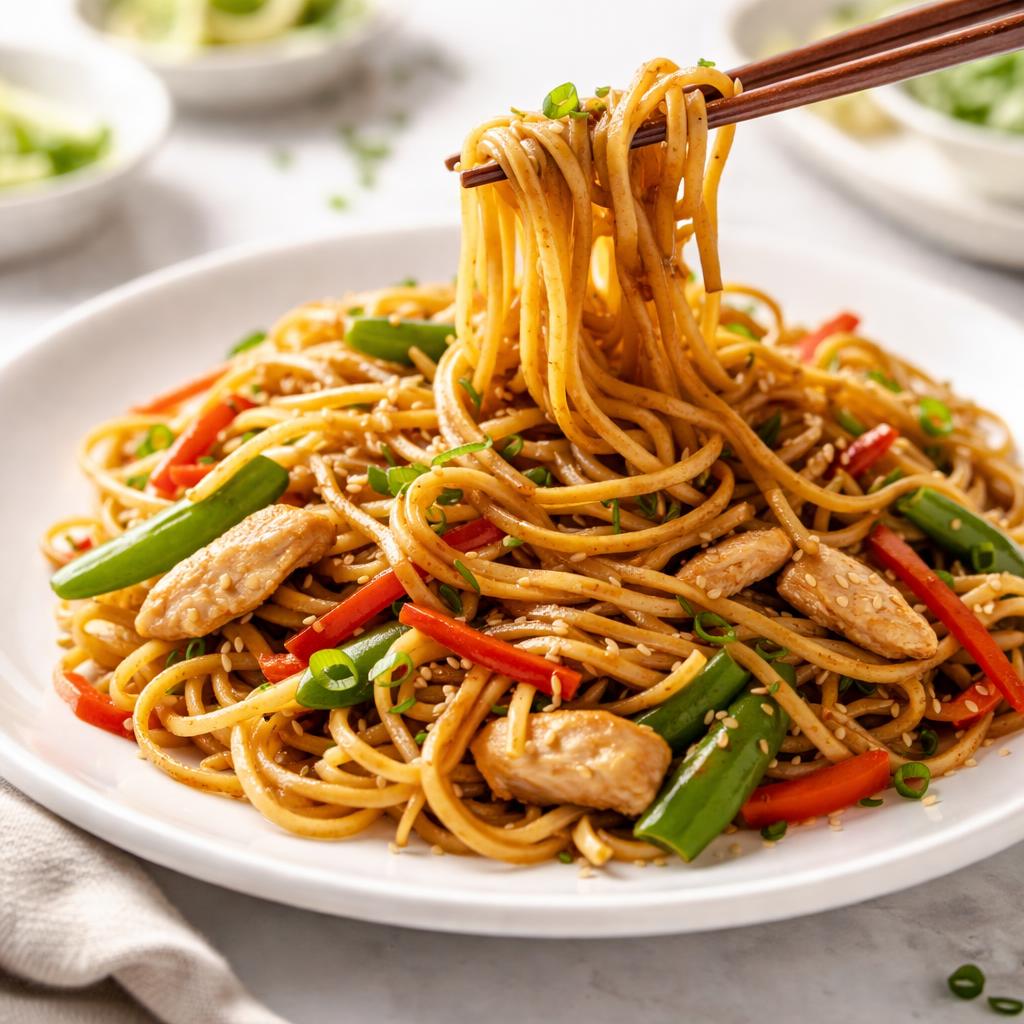
Chinese Noodles
🎯 Quick Verdict
Fried rice is higher in calories and carbs but provides more fiber, while Chinese noodles supply slightly more protein and fewer calories per serving. Fried rice is great for filling meals, whereas Chinese noodles can be better for lighter dishes with protein additions.

Smart Nutrition Tracking with SnapCalorie

📊 Nutritional Comparison
Macronutrients
| Nutrient | Food 1 | Food 2 | Winner |
|---|---|---|---|
| Calories | 210 | 180 | ✓ |
| Protein | 5g | 6g | ✓ |
| Carbs | 40g | 35g | ✓ |
| Fat | 8g | 5g | ✓ |
| Fiber | 3g | 1.5g | ✓ |
Vitamins & Minerals
| Nutrient | Food 1 | Food 2 | Winner |
|---|---|---|---|
| Vitamin D | 0.5mcg | 0.2mcg | ✓ |
| Calcium | 25mg | 20mg | ✓ |
| Iron | 1mg | 0.8mg | ✓ |
🏆 Category Winners
Protein
Chinese noodles offer 1g more protein per serving compared to fried rice.
Fiber
Fried rice has twice as much fiber as Chinese noodles.
Calories
Chinese noodles are 15% lower in calories than fried rice.
🥗 Diet Compatibility
Keto
Food 1: Not Compatible
Food 2: Not Compatible
Both foods are high in carbs, making them unsuitable for keto diets.
Vegan
Food 1: Compatible
Food 2: Compatible
Both foods can be vegan depending on preparation and ingredients used.
Gluten Free
Food 1: Not Compatible
Food 2: Not Compatible
Both foods have gluten if prepared with traditional ingredients like soy sauce or wheat noodles.
Paleo
Food 1: Not Compatible
Food 2: Not Compatible
Neither food fits the paleo diet due to grains and processed ingredients.
Low Carb
Food 1: Not Compatible
Food 2: Not Compatible
Both are relatively high in carbs, exceeding the low-carb threshold.
💪 Health Benefits Comparison
Food 1 Benefits
- Higher fiber content for digestive health
- Provides essential minerals like iron and calcium
- Energy-dense for filling meals or post-workout refueling
Food 2 Benefits
- Good source of protein for muscle maintenance
- Lower in calories and fat for weight-conscious eaters
- Versatile for creating balanced meals with added vegetables and proteins
✅ The Bottom Line
Fried rice is a better choice for more fiber and mineral content, but is higher in calories and fat. Chinese noodles are lighter and offer slightly more protein, making them better for weight management and complementary dishes. Choose fried rice for hearty, filling meals and Chinese noodles for lighter, versatile options requiring additional protein or vegetables.
Choose Food 1 for: High-fiber diets, filling meals, post-workout refueling
Choose Food 2 for: Weight management, balanced dishes, light meals


