Fried Rice VS Bread With Peanut Butter
A detailed nutritional comparison
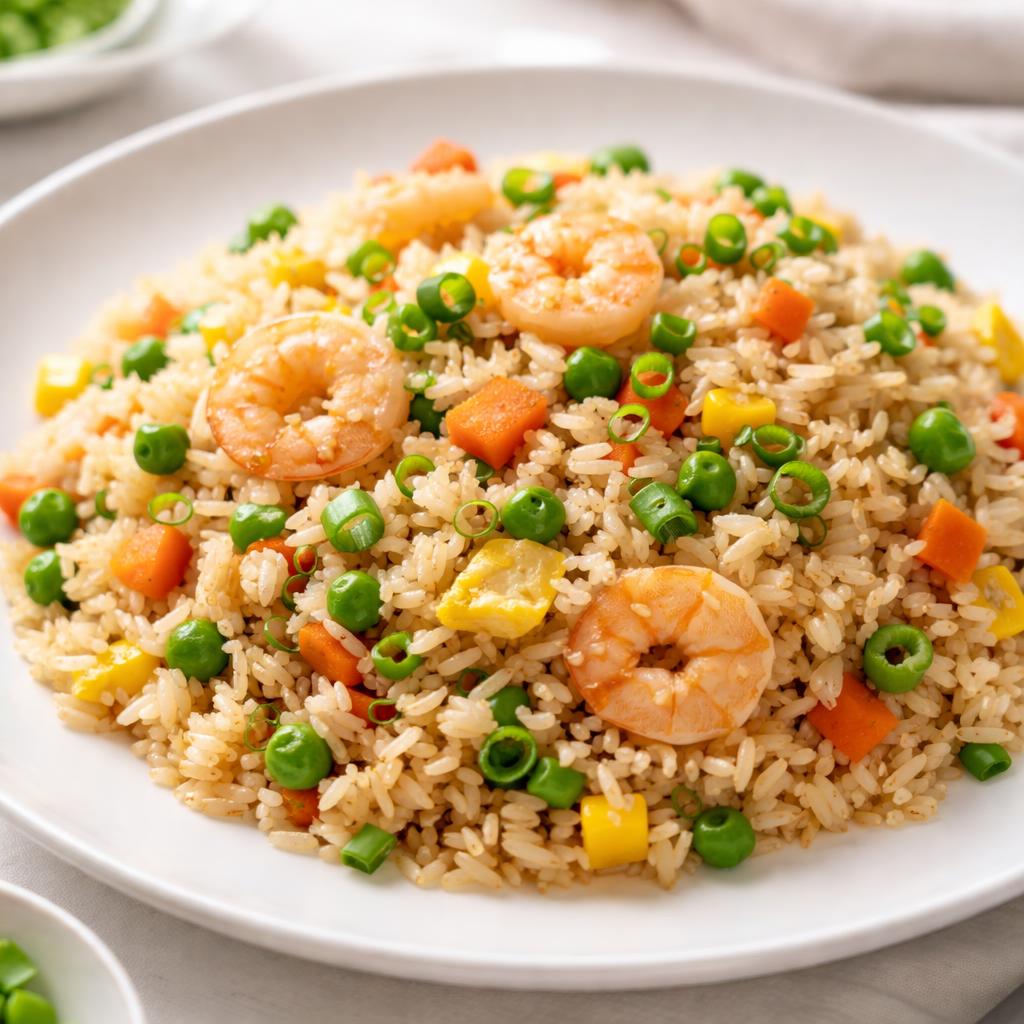
Fried Rice
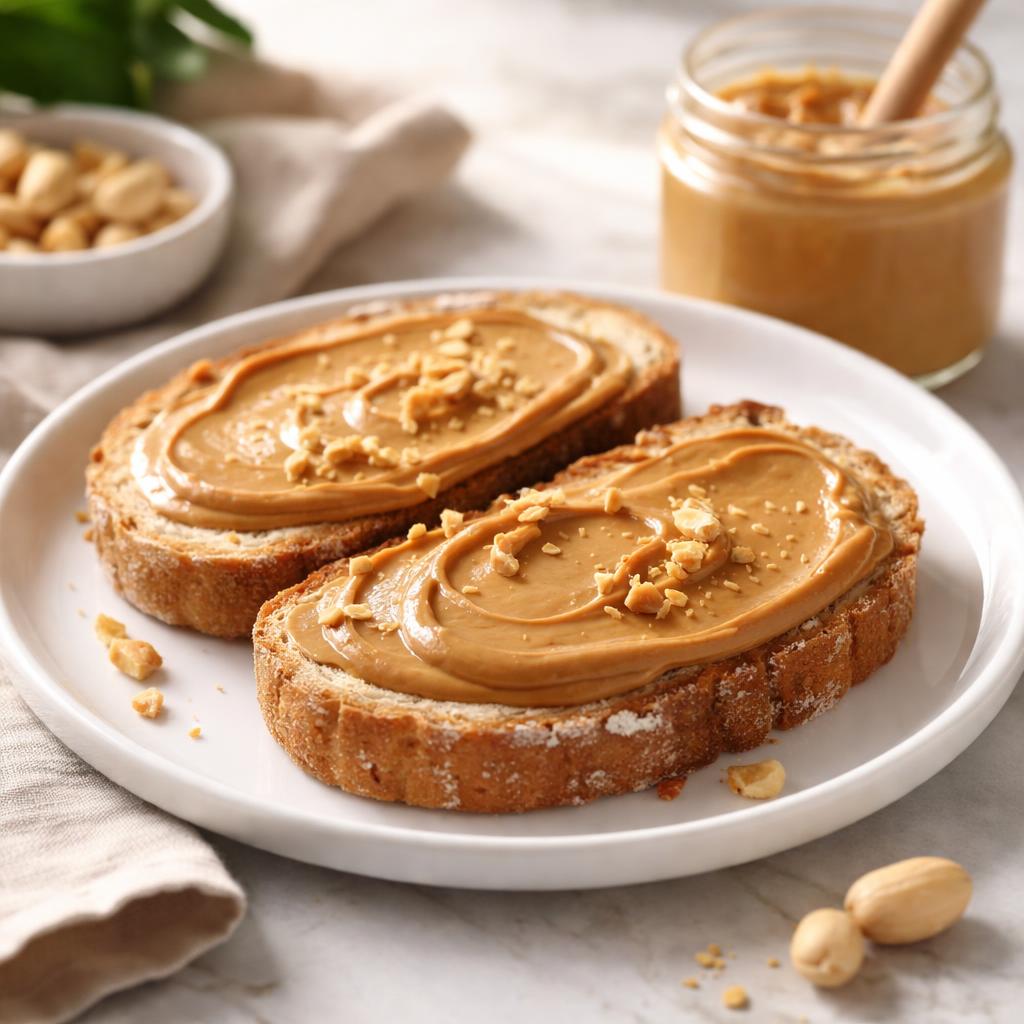
Bread With Peanut Butter
🎯 Quick Verdict
Bread with peanut butter is a more nutrient-dense option with higher protein and fiber compared to fried rice, which has slightly fewer calories. Fried rice works well for a quick energy-boosting meal due to its carb content, while bread with peanut butter offers sustained energy with healthy fats and protein for satiety and muscle support.

Smart Nutrition Tracking with SnapCalorie

📊 Nutritional Comparison
Macronutrients
| Nutrient | Food 1 | Food 2 | Winner |
|---|---|---|---|
| Calories | 310 | 280 | ✓ |
| Protein | 7g | 11g | ✓ |
| Carbs | 45g | 28g | ✓ |
| Fat | 10g | 17g | ✓ |
| Fiber | 2g | 4g | ✓ |
Vitamins & Minerals
| Nutrient | Food 1 | Food 2 | Winner |
|---|---|---|---|
| Vitamin E | 0.5mg | 2.5mg | ✓ |
| Vitamin B6 | 0.07mg | 0.1mg | ✓ |
| Calcium | 15mg | 30mg | ✓ |
| Iron | 1.5mg | 1.8mg | ✓ |
🏆 Category Winners
Protein
Bread with peanut butter has 57% more protein per serving than fried rice.
Fiber
Food2 provides double the fiber content of fried rice.
Calories
Bread with peanut butter contains fewer calories, making it a lighter option overall.
Vitamins
Food2 has higher levels of key vitamins like Vitamin E and calcium compared to fried rice.
🥗 Diet Compatibility
Keto
Food 1: Not Compatible
Food 2: Not Compatible
Both are high in carbohydrates.
Vegan
Food 1: Potentially Compatible
Food 2: Compatible
Fried rice compatibility depends on recipe; bread with peanut butter is plant-based.
Gluten Free
Food 1: Not Compatible
Food 2: Not Compatible
Both contain gluten from either bread or soy sauce in fried rice.
Paleo
Food 1: Not Compatible
Food 2: Not Compatible
Both contain processed grains and legumes not allowed in paleo diets.
Low Carb
Food 1: Not Compatible
Food 2: Not Compatible
Both foods contain moderate to high levels of carbs.
💪 Health Benefits Comparison
Food 1 Benefits
- Provides quick energy with its high carbohydrate content.
- Offers a moderate amount of protein for muscle repair.
- Contains iron for supporting healthy red blood cells.
Food 2 Benefits
- Rich in protein for muscle growth and satiety.
- Good source of healthy fats for heart health.
- Contains fiber for improved digestion and blood sugar stability.
✅ The Bottom Line
Bread with peanut butter is a better overall choice for a nutrient-dense meal, offering more protein, fiber, and healthy fats compared to fried rice. Fried rice is better suited for quick carb-based energy needs, while bread with peanut butter supports satiety and sustained energy levels.
Choose Food 1 for: Quick carbohydrate energy, pre-workout fueling, occasional treats
Choose Food 2 for: Muscle building, sustained energy, digestion support


