Egg VS Vegetables
A detailed nutritional comparison

Egg
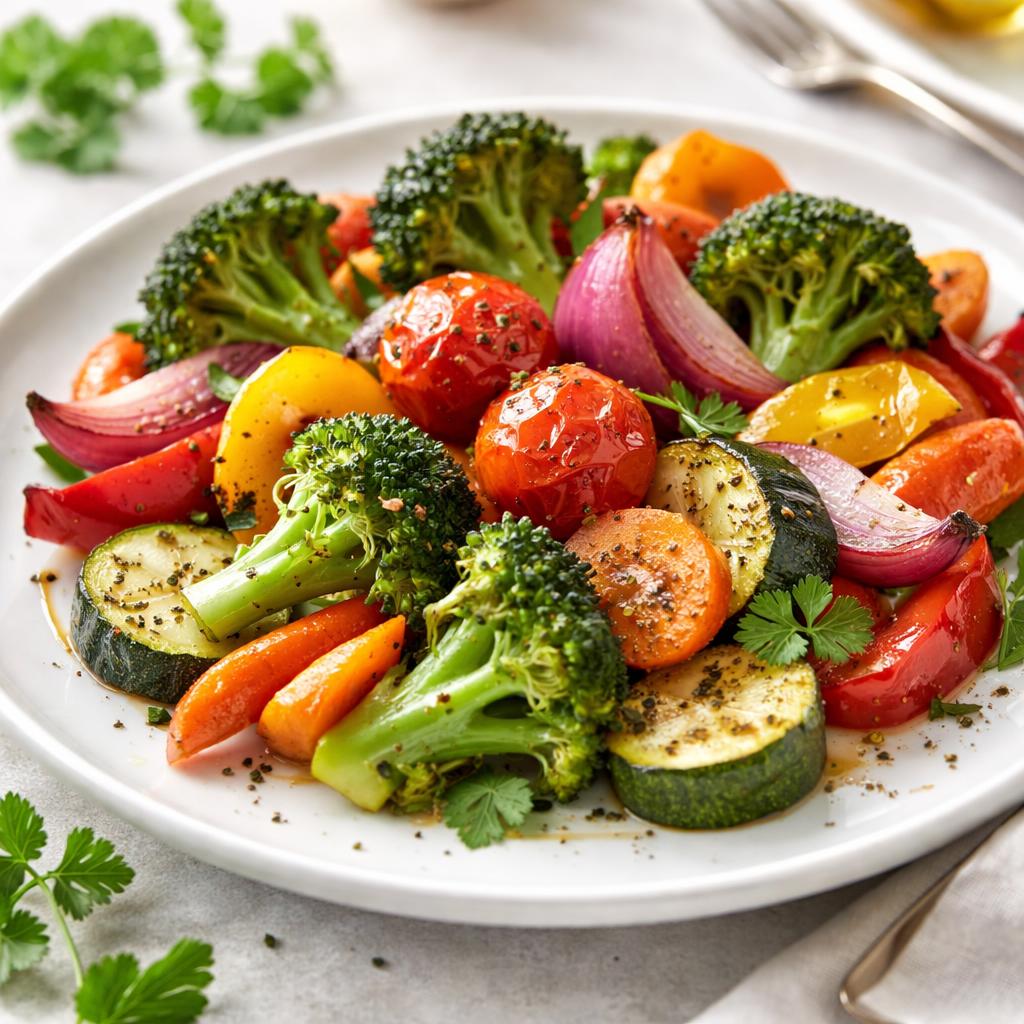
Vegetables
🎯 Quick Verdict
Eggs are an excellent source of protein and healthy fats, making them ideal for muscle growth and keto diets. Vegetables offer lower calorie density, higher fiber content, and significant amounts of vitamins and minerals, making them perfect for overall health and weight management. Both foods complement different dietary needs and can work together in a balanced diet.

Smart Nutrition Tracking with SnapCalorie

📊 Nutritional Comparison
Macronutrients
| Nutrient | Food 1 | Food 2 | Winner |
|---|---|---|---|
| Calories | 70 | 30 (average per 100g) | ✓ |
| Protein | 6g | 2g (average per 100g) | ✓ |
| Carbs | 0g | 5g (average per 100g) | ✓ |
| Fat | 5g | 0g (average per 100g) | ✓ |
| Fiber | 0g | 2g (average per 100g) | ✓ |
Vitamins & Minerals
| Nutrient | Food 1 | Food 2 | Winner |
|---|---|---|---|
| Vitamin D | 1mcg | 0mcg | ✓ |
| Vitamin A | 70mcg | 500mcg (carrot average) | ✓ |
| Vitamin C | 0mg | 25mg (bell pepper average) | ✓ |
| Iron | 1mg | 1.5mg (spinach average) | ✓ |
🏆 Category Winners
Protein
Eggs contain 3x more protein than vegetables per serving.
Fiber
Vegetables naturally contain fiber, while eggs do not.
Calories
Vegetables have fewer calories, making them ideal for weight management.
Vitamins
Vegetables provide a broader range and higher levels of vitamins compared to eggs.
🥗 Diet Compatibility
Keto
Food 1: Compatible
Food 2: Mostly Compatible
Eggs are low-carb and high-fat, ideal for keto. Most vegetables are keto-friendly except starchy ones like potatoes.
Vegan
Food 1: Not Compatible
Food 2: Compatible
Vegetables fit vegan diets, but eggs are animal-based.
Gluten Free
Food 1: Compatible
Food 2: Compatible
Neither eggs nor vegetables contain gluten.
Paleo
Food 1: Compatible
Food 2: Compatible
Both eggs and vegetables align with paleo principles.
Low-Carb
Food 1: Highly Compatible
Food 2: Compatible
Eggs are naturally carb-free. Many vegetables are also low-carb, especially leafy greens.
💪 Health Benefits Comparison
Food 1 Benefits
- Excellent source of complete protein for muscle building and repair
- Rich in Vitamin D, supporting bone health
- Contains choline, essential for brain and metabolism support
Food 2 Benefits
- High fiber content promotes digestion and gut health
- Rich in antioxidants, supporting cellular health and reducing inflammation
- Packed with vitamins such as Vitamin C and A for immune support and eye health
✅ The Bottom Line
Eggs and vegetables offer complementary benefits depending on your dietary goals. Choose eggs when prioritizing protein, healthy fats, or keto compatibility, and vegetables for fiber, vitamin content, and weight management. Both can effectively work together in balanced meals.
Choose Food 1 for: High-protein diets, weight loss when paired with low calorie sides, keto meals, post-workout
Choose Food 2 for: Fiber-rich diets, immune support, overall health maintenance, plant-based or vegan meals


