Egg VS Tortilla
A detailed nutritional comparison

Egg
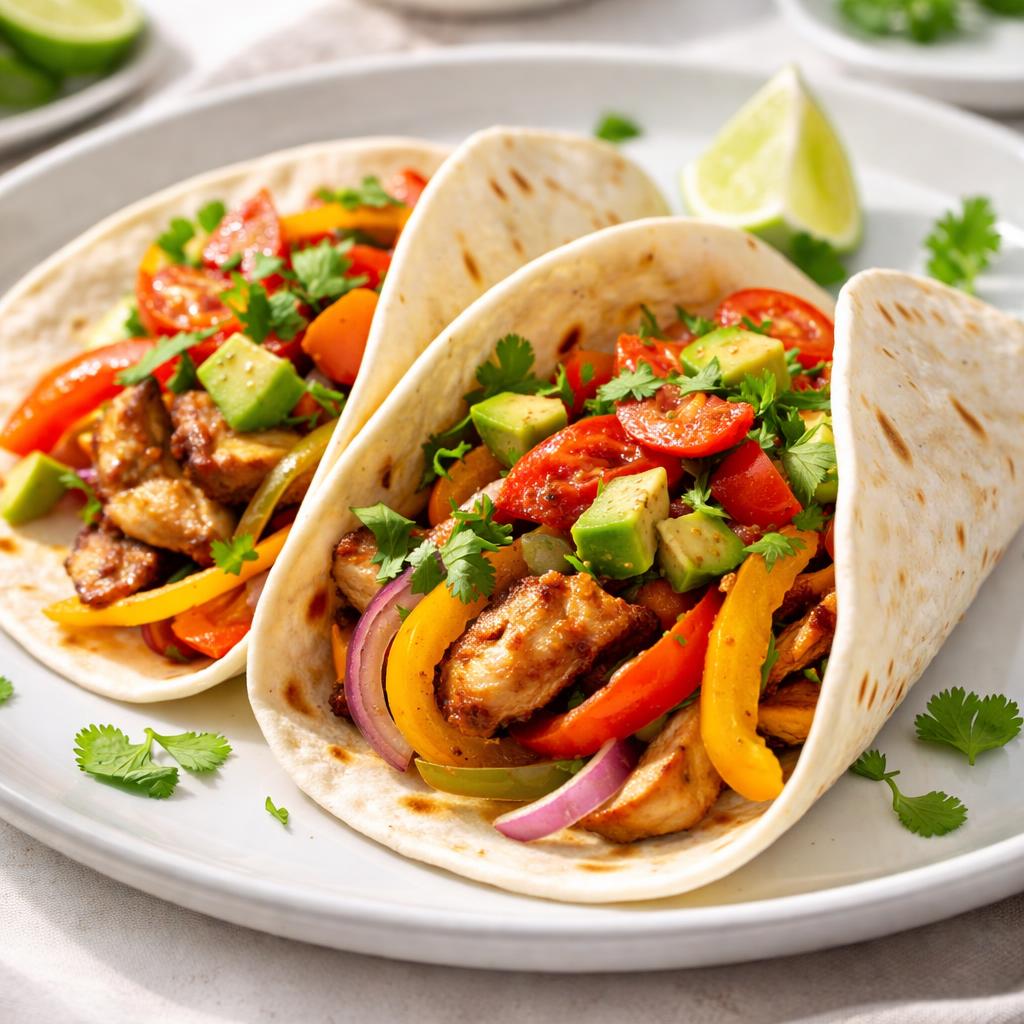
Tortilla
🎯 Quick Verdict
Eggs are higher in protein and lower in calories, making them ideal for those prioritizing muscle maintenance and weight loss. Tortillas provide more fiber and carbs, which make them better suited for energy and digestion. Both foods have distinct health benefits and are versatile in their use based on dietary goals.

Smart Nutrition Tracking with SnapCalorie

📊 Nutritional Comparison
Macronutrients
| Nutrient | Food 1 | Food 2 | Winner |
|---|---|---|---|
| Calories | 78 | 150 | ✓ |
| Protein | 6.3g | 4g | ✓ |
| Carbs | 0.6g | 25g | ✓ |
| Fat | 5g | 4g | ✓ |
| Fiber | 0g | 2g | ✓ |
Vitamins & Minerals
| Nutrient | Food 1 | Food 2 | Winner |
|---|---|---|---|
| Vitamin B12 | 0.6mcg | 0mcg | ✓ |
| Vitamin D | 1mcg | 0mcg | ✓ |
| Calcium | 25mg | 100mg | ✓ |
| Iron | 0.9mg | 2.5mg | ✓ |
🏆 Category Winners
Protein
Eggs contain approximately 58% more protein per serving.
Fiber
Tortillas are a source of dietary fiber, while eggs contain no fiber.
Calories
Eggs have about 48% fewer calories compared to tortillas.
Vitamins
The egg is richer in Vitamin B12 and D, while tortillas contain more calcium and iron.
🥗 Diet Compatibility
Keto
Food 1: Compatible
Food 2: Not Compatible
Eggs are low in carbs, whereas tortillas are high-carb.
Vegan
Food 1: Not Compatible
Food 2: Compatible
Eggs are an animal product, while tortillas can be made plant-based.
Gluten Free
Food 1: Compatible
Food 2: Varies
Eggs are naturally gluten-free; tortillas may include gluten unless specifically made gluten-free.
Paleo
Food 1: Compatible
Food 2: Not Compatible
Eggs fit paleo guidelines; most tortillas do not due to processed grains.
Low Carb
Food 1: Compatible
Food 2: Not Compatible
Eggs contain negligible carbs, whereas tortillas are high in carbohydrates.
💪 Health Benefits Comparison
Food 1 Benefits
- Rich in protein to support muscle growth and repair
- Excellent source of Vitamin B12 for nerve and brain health
- Provides Vitamin D for bone health and immune function
- Contains healthy fats for satiety and energy
Food 2 Benefits
- Good source of fiber for gut health and digestion
- Higher iron content, supporting oxygen transport in the body
- Provides more sustained energy due to its carbohydrate content
- Enriched with calcium for bone health
✅ The Bottom Line
Eggs are a better choice for those looking for high protein with minimal calories, making them ideal for weight loss, muscle building, and low-carb diets. Tortillas are more suited for energy needs, digestive health, or vegan diets due to their fiber and carb content. Choose based on your nutritional priorities and lifestyle needs.
Choose Food 1 for: Weight loss, high-protein diets, keto, paleo, post-workout meals
Choose Food 2 for: Energy needs, vegan diets, digestive health, nutrient density


