Egg VS Sugar
A detailed nutritional comparison

Egg
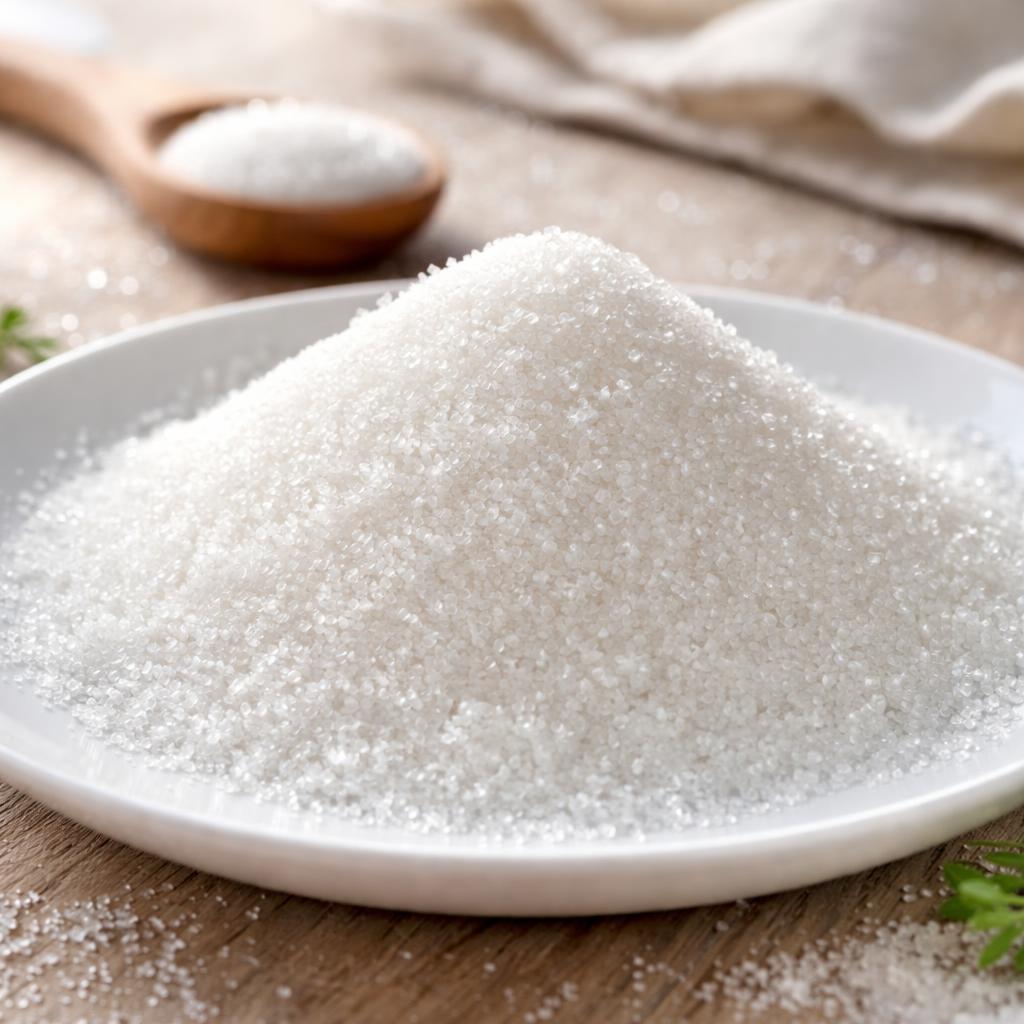
Sugar
🎯 Quick Verdict
Eggs are a nutritionally dense food, providing high-quality protein, healthy fats, and essential minerals, while sugar is entirely composed of carbohydrates with no significant nutritional benefits. Eggs are better suited for individuals seeking balanced nutrition, while sugar serves as a quick energy source but should be consumed in moderation.

Smart Nutrition Tracking with SnapCalorie

📊 Nutritional Comparison
Macronutrients
| Nutrient | Food 1 | Food 2 | Winner |
|---|---|---|---|
| Calories | 68 per egg | 387 per 100g | ✓ |
| Protein | 6g per egg | 0g | ✓ |
| Carbs | 0.6g per egg | 100g | ✓ |
| Fat | 5g per egg | 0g | ✓ |
| Fiber | 0g | 0g | − |
Vitamins & Minerals
| Nutrient | Food 1 | Food 2 | Winner |
|---|---|---|---|
| Vitamin D | 1.1mcg per egg | 0mcg | ✓ |
| Calcium | 25mg per egg | 0mg | ✓ |
| Iron | 0.9mg per egg | 0mg | ✓ |
🏆 Category Winners
Protein
Eggs provide 6g of high-quality protein per serving, while sugar has none.
Fiber
Neither eggs nor sugar contain dietary fiber.
Calories
A single egg contains only 68 calories compared to sugar's 387 calories per 100g.
Vitamins
Eggs contain several vitamins and minerals, while sugar provides no micronutrients.
🥗 Diet Compatibility
Keto
Food 1: Compatible
Food 2: Not Compatible
Eggs are low in carbohydrates (0.6g per serving), while sugar is entirely carbohydrate.
Vegan
Food 1: Not Compatible
Food 2: Compatible
Eggs are animal-based, while sugar is plant-based.
Gluten Free
Food 1: Compatible
Food 2: Compatible
Neither contains gluten.
Paleo
Food 1: Compatible
Food 2: Not Compatible
Eggs are allowed on the paleo diet, while processed sugar is not.
Low Carb
Food 1: Compatible
Food 2: Not Compatible
Eggs are very low-carb, while sugar is purely carbohydrate.
💪 Health Benefits Comparison
Food 1 Benefits
- High in high-quality protein for muscle maintenance and satiety
- Good source of choline for brain health
- Contains vitamin D to support bone health
- Rich in antioxidants like lutein and zeaxanthin for eye protection
Food 2 Benefits
- Provides a quick source of energy
- Can be used in baking and cooking to enhance flavor
- Easily accessible and affordable
✅ The Bottom Line
Eggs are a nutritionally superior choice compared to sugar, offering protein, healthy fats, and vitamins. Sugar, while lacking nutrients, can serve as a quick energy source but should be used sparingly due to high calorie content and lack of health benefits.
Choose Food 1 for: Balanced nutrition, muscle building, and maintaining satiety
Choose Food 2 for: Quick energy boosts and adding sweetness to recipes in moderation


