Egg VS Quiche
A detailed nutritional comparison
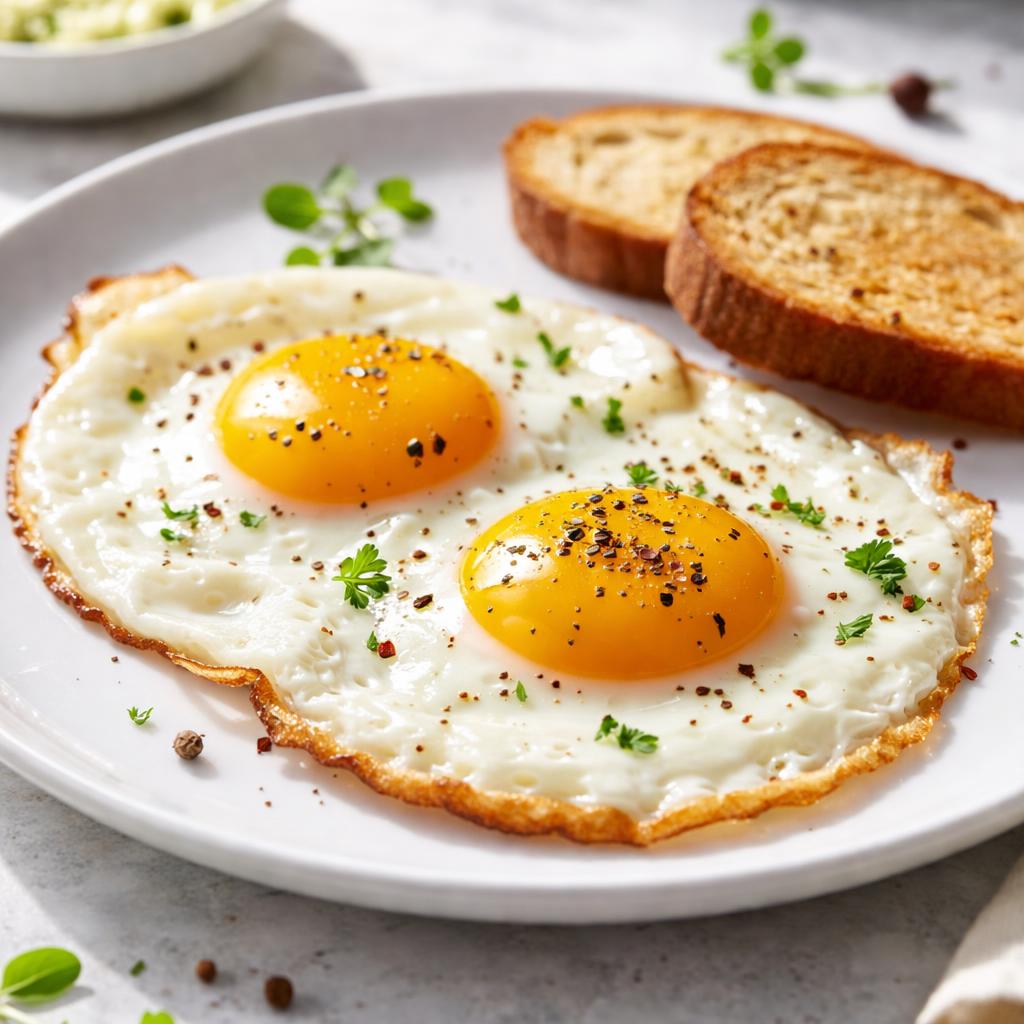
Egg
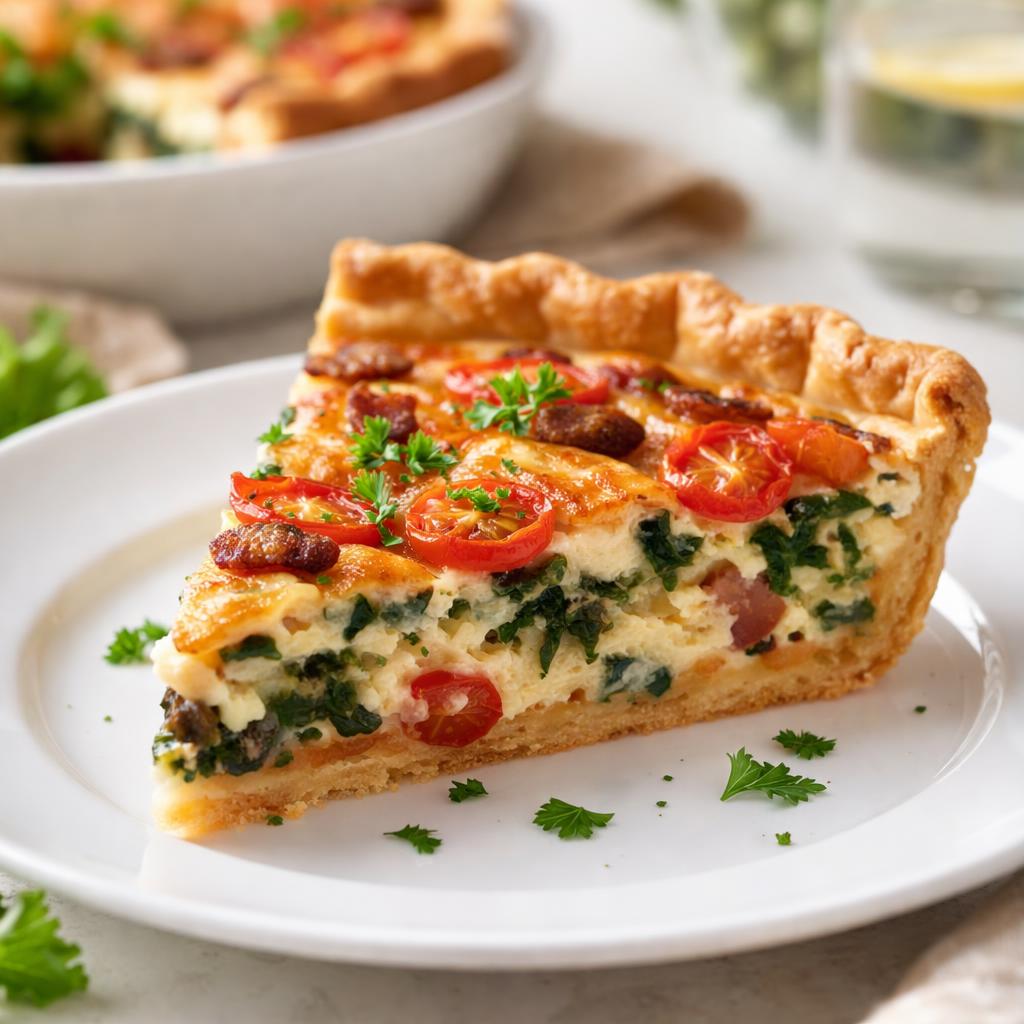
Quiche
🎯 Quick Verdict
Eggs are a highly nutritious, low-calorie option with high-quality protein and minimal carbs, ideal for weight loss and muscle-building diets. Quiche, while higher in calories, offers a balanced mix of protein, fat, and fiber and is suited for those seeking a savory and satisfying meal with added nutrients from veggies and dairy ingredients.

Smart Nutrition Tracking with SnapCalorie

📊 Nutritional Comparison
Macronutrients
| Nutrient | Food 1 | Food 2 | Winner |
|---|---|---|---|
| Calories | 70 per large egg | 300 per slice (approx 1/8 of quiche) | − |
| Protein | 6g | 12g | − |
| Carbs | 0.6g | 15g | − |
| Fat | 5g | 20g | − |
| Fiber | 0g | 2g | − |
Vitamins & Minerals
| Nutrient | Food 1 | Food 2 | Winner |
|---|---|---|---|
| Vitamin D | 1mcg | 2mcg | − |
| Calcium | 25mg | 150mg | − |
| Iron | 0.9mg | 1mg | − |
🏆 Category Winners
Protein
Egg provides highly bioavailable protein with minimal calories.
Fiber
Quiche includes fiber from vegetables and crust ingredients.
Calories
Egg has significantly fewer calories compared to quiche.
🥗 Diet Compatibility
Keto
Food 1: Compatible
Food 2: Somewhat Compatible
Egg is fully keto-friendly due to low carbs, while quiche may fit within limits depending on carb intake.
Vegan
Food 1: Not Compatible
Food 2: Not Compatible
Both include animal products.
Gluten Free
Food 1: Compatible
Food 2: Depends on crust ingredients
Eggs are naturally gluten-free, but quiche may contain gluten in its crust.
Paleo
Food 1: Compatible
Food 2: Not Compatible
Egg is paleo-friendly, but quiche crusts typically do not fit paleo guidelines.
Low-Carb
Food 1: Compatible
Food 2: Somewhat Compatible
Egg is very low-carb, while quiche can be higher depending on crust and added ingredients.
💪 Health Benefits Comparison
Food 1 Benefits
- Excellent source of high-quality protein for muscle building and repair
- Rich in choline, which supports brain health
- Contains lutein and zeaxanthin for eye health
- Low in calories, good for weight management
Food 2 Benefits
- Balanced macronutrients for sustained energy
- Rich in calcium from dairy ingredients, supporting bone health
- Provides vitamins A and D from eggs and dairy
- Includes fiber and antioxidants from added vegetables (if included)
✅ The Bottom Line
Eggs are a versatile, nutrient-dense food that is ideal for low-calorie, high-protein diets. Quiche serves as a more indulgent option with added nutrients from its ingredients, making it great for satisfying meals but less suited for low-calorie or weight-focused diets.
Choose Food 1 for: Weight loss, high-protein diets, light snacks, post-workout meals
Choose Food 2 for: Satisfying savory meals, special occasions, nutrient-dense breakfast or brunch


