Egg VS Protein Powder
A detailed nutritional comparison

Egg
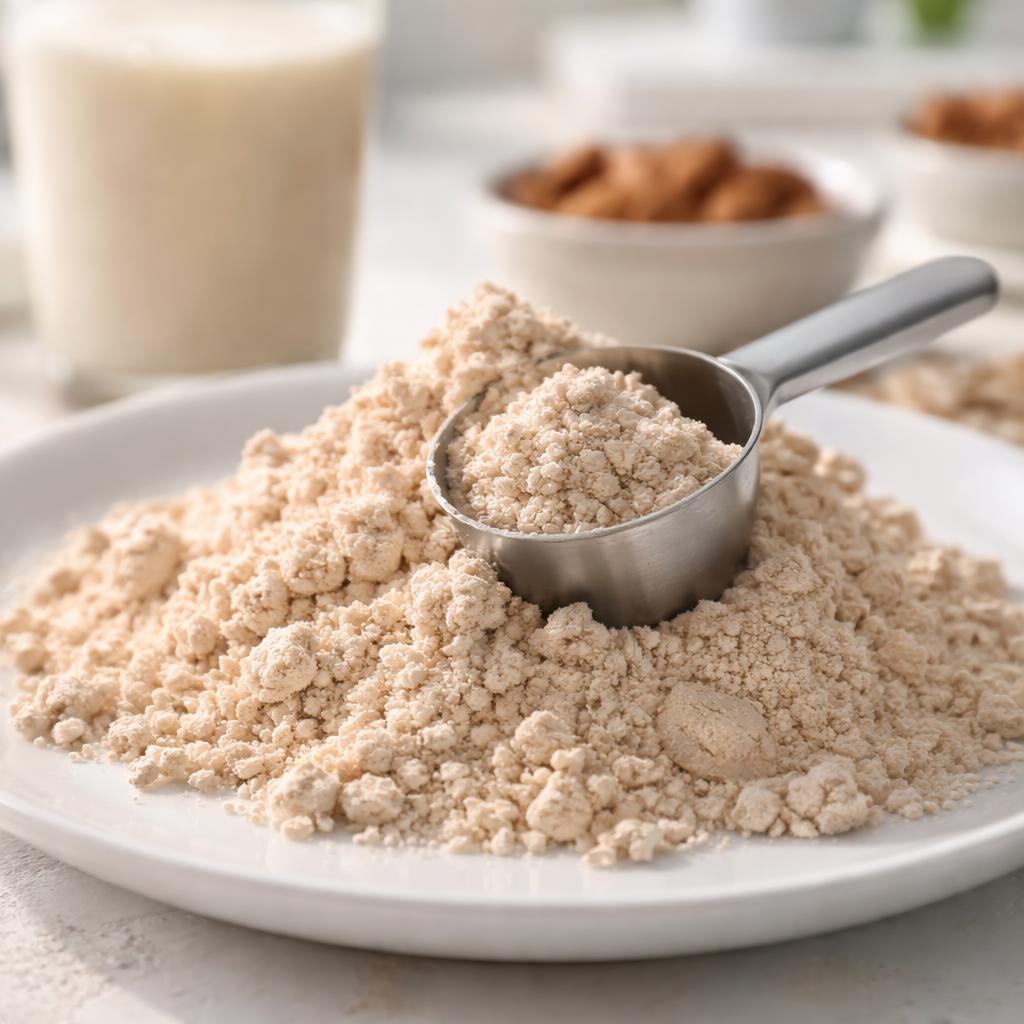
Protein Powder
🎯 Quick Verdict
Eggs are nutrient-dense whole foods with moderate protein, healthy fats, and essential micronutrients like choline and vitamin D. Protein powder offers a concentrated dose of protein, making it ideal for muscle recovery, but lacks other nutrients unless fortified. Eggs are better for balanced nutrition, while protein powder excels as a protein-focused supplement.

Smart Nutrition Tracking with SnapCalorie

📊 Nutritional Comparison
Macronutrients
| Nutrient | Food 1 | Food 2 | Winner |
|---|---|---|---|
| Calories | 70 | 120 | ✓ |
| Protein | 6g | 20g | ✓ |
| Carbs | 0.5g | 2g | ✓ |
| Fat | 5g | 1g | ✓ |
| Fiber | 0g | 0g | − |
Vitamins & Minerals
| Nutrient | Food 1 | Food 2 | Winner |
|---|---|---|---|
| Vitamin D | 1.0mcg | 0.0mcg | ✓ |
| Choline | 125mg | 0mg | ✓ |
| Calcium | 25mg | 100mg (fortified) | ✓ |
| Iron | 0.8mg | 2mg | ✓ |
🏆 Category Winners
Protein
Protein powder provides over 3 times the protein of eggs per serving.
Fiber
Neither food contains dietary fiber.
Calories
Eggs have 42% fewer calories per serving.
Vitamins
Eggs contain more diverse essential nutrients like vitamin D and choline.
🥗 Diet Compatibility
Keto
Food 1: Compatible
Food 2: Compatible
Both foods are low in carbs, making them keto-friendly.
Vegan
Food 1: Not Compatible
Food 2: Compatible (if plant-based)
Eggs are animal-based, while some protein powders are plant-based and vegan-friendly.
Gluten Free
Food 1: Compatible
Food 2: Compatible
Neither food contains gluten.
Paleo
Food 1: Compatible
Food 2: Not Compatible
Eggs are a whole food, aligning with paleo principles. Protein powder is processed and generally not considered paleo.
Low-Carb
Food 1: Compatible
Food 2: Compatible
Both foods are very low in carbohydrates.
💪 Health Benefits Comparison
Food 1 Benefits
- Provides healthy fats, including omega-3s for brain health.
- Contains choline for cognitive function and liver health.
- Rich in vitamin D for bone health and immune function.
- Ideal for balanced macronutrient intake.
Food 2 Benefits
- Highly concentrated protein supports muscle repair and recovery.
- Low in fat and calories relative to protein content.
- Often fortified with vitamins like calcium for bone health and iron for oxygen transport.
- Convenient and versatile for shakes or smoothies.
✅ The Bottom Line
Eggs are an excellent whole food option for balanced daily nutrition, providing essential vitamins, healthy fats, and moderate protein. Protein powder is best for individuals seeking a quick and concentrated protein source, especially for post-workout recovery. Each serves unique purposes depending on dietary needs and lifestyle.
Choose Food 1 for: Balanced nutrition, weight management, nutrient diversity
Choose Food 2 for: Protein-focused diets, muscle recovery, convenience


