Egg VS Pastry
A detailed nutritional comparison
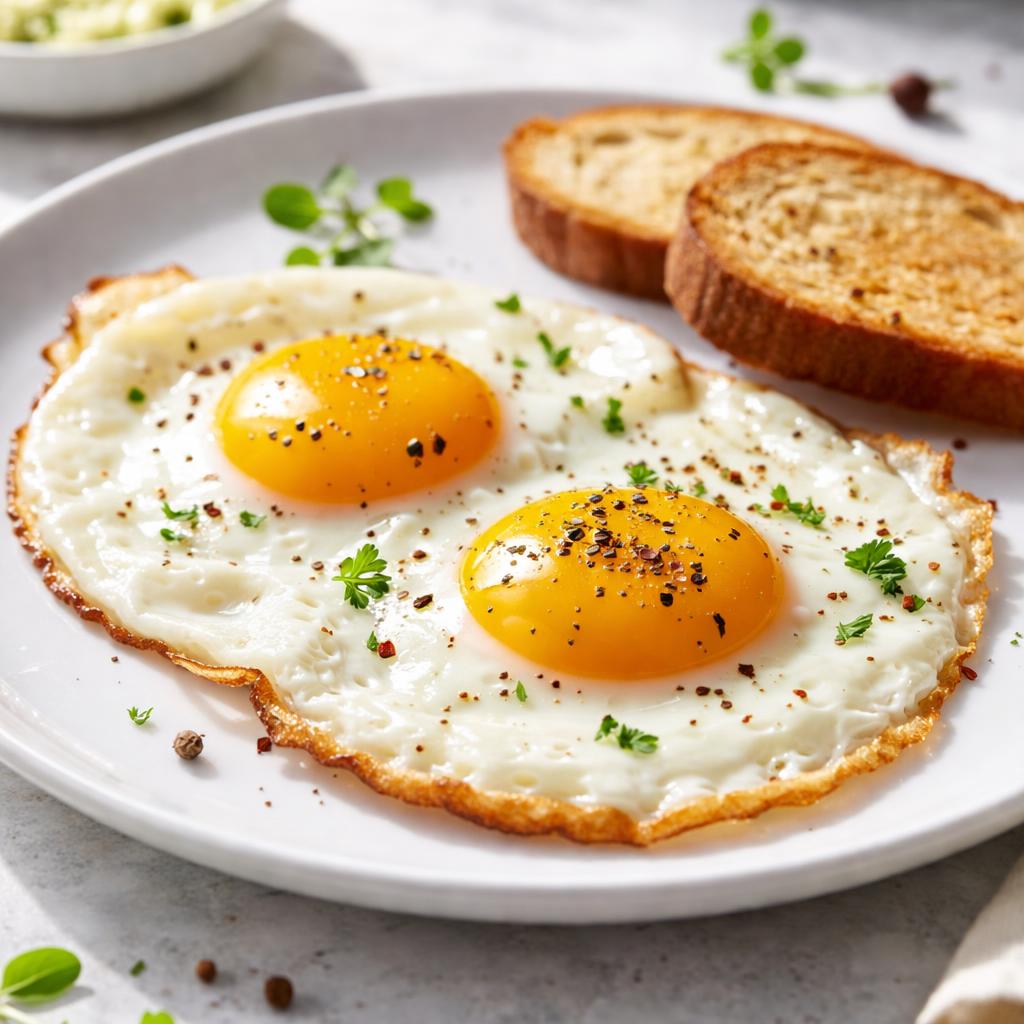
Egg

Pastry
🎯 Quick Verdict
Eggs are nutrient-dense with high protein content and fewer calories, making them ideal for weight management and muscle-building diets. Pastries, though higher in carbs and fiber, are calorie-dense with more fats and lower in protein, suitable as an occasional treat but less optimal for healthy eating goals.

Smart Nutrition Tracking with SnapCalorie

📊 Nutritional Comparison
Macronutrients
| Nutrient | Food 1 | Food 2 | Winner |
|---|---|---|---|
| Calories | 68 (1 large egg) | 290 (1 medium pastry) | ✓ |
| Protein | 6g | 4g | ✓ |
| Carbs | 0.4g | 33g | ✓ |
| Fat | 5g | 15g | ✓ |
| Fiber | 0g | 1g | ✓ |
Vitamins & Minerals
| Nutrient | Food 1 | Food 2 | Winner |
|---|---|---|---|
| Vitamin D | 1.1mcg | 0mcg | ✓ |
| Calcium | 25mg | 15mg | ✓ |
| Iron | 0.8mg | 1.5mg | ✓ |
| Vitamin A | 270IU | 30IU | ✓ |
🏆 Category Winners
Protein
Eggs have 50% more protein per serving.
Fiber
Pastries contain 1g of fiber while eggs have none.
Calories
Eggs have around 75% fewer calories than pastries.
Vitamins
Eggs are significantly richer in Vitamin D, Vitamin A, and Calcium.
🥗 Diet Compatibility
Keto
Food 1: Compatible
Food 2: Not Compatible
Eggs are very low in carbs, whereas pastries are high-carb.
Vegan
Food 1: Not Compatible
Food 2: Compatible
Eggs are an animal product, while pastries can often be made vegan.
Gluten Free
Food 1: Compatible
Food 2: Not Compatible
Eggs are naturally gluten-free; pastries usually contain wheat.
Paleo
Food 1: Compatible
Food 2: Not Compatible
Eggs align with paleo guidelines; pastries do not due to processed grains and sugars.
Low-Carb
Food 1: Compatible
Food 2: Not Compatible
Eggs contain under 1g of carbs per serving, while pastries are high in carbs.
💪 Health Benefits Comparison
Food 1 Benefits
- High in protein to aid muscle repair and satiety.
- Rich in Vitamin D for bone health and immunity.
- Provides healthy fats that support brain function.
- Contains choline, important for brain and liver health.
Food 2 Benefits
- Provides quick energy from carbohydrates.
- Can be a source of iron, depending on the ingredients.
- Contains some fiber for digestive health.
- Offers a serotonin boost from its sugar content, which can temporarily elevate mood.
✅ The Bottom Line
Eggs are the healthier and more nutrient-packed option, ideal for those focusing on protein, low-carb, or weight management diets. Pastries are better as an occasional indulgence due to their high calorie, carb, and fat content but contribute less positively to a balanced diet.
Choose Food 1 for: Low-carb, weight loss, muscle building, nutrient-dense snacks.
Choose Food 2 for: Quick energy, sweet cravings, occasional treats or desserts.


