Egg VS Nuts
A detailed nutritional comparison

Egg
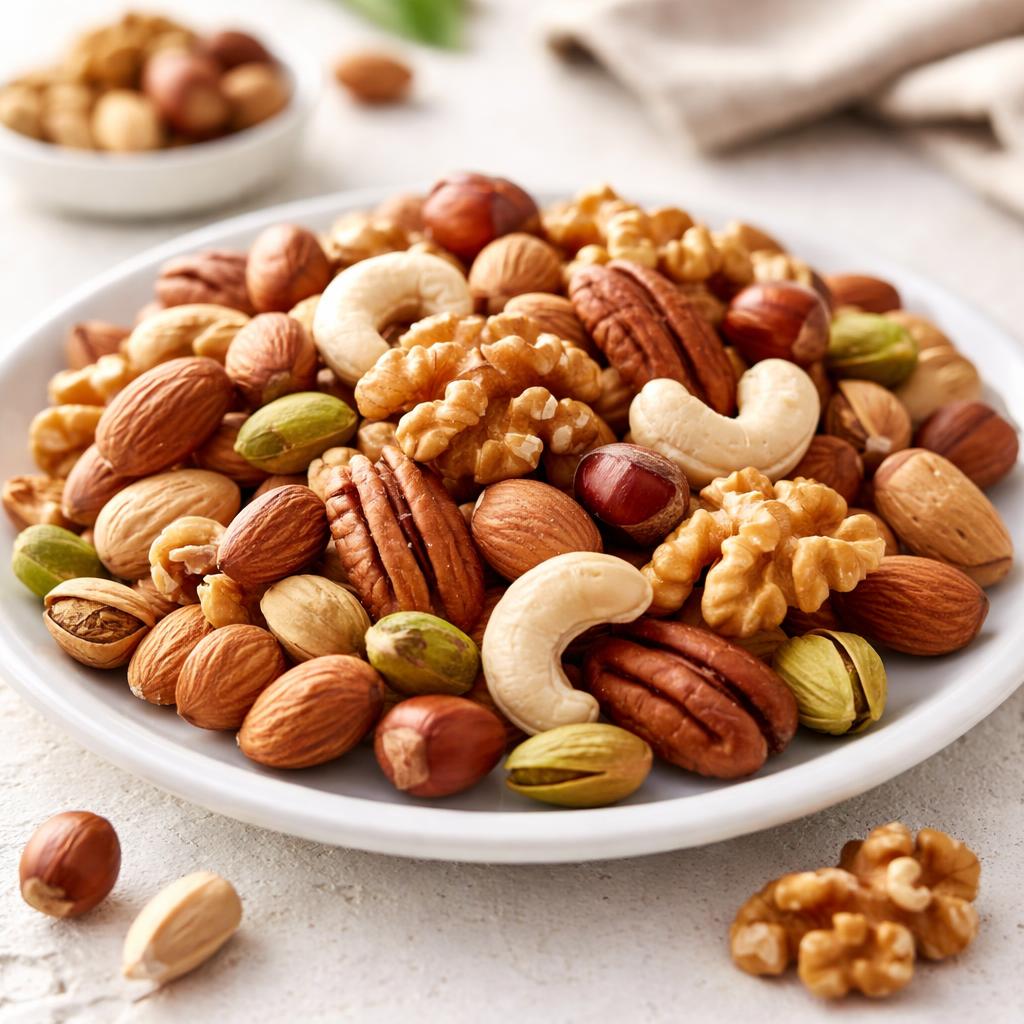
Nuts
🎯 Quick Verdict
Eggs are a high-protein food with fewer calories and are rich in several vitamins, making them ideal for muscle growth and weight management. Nuts, on the other hand, contain more fiber, healthy fats, and minerals like magnesium, which are great for heart health and sustained energy levels. Choose eggs for protein-focused meals and nuts for nutrient-dense energy and fiber content.

Smart Nutrition Tracking with SnapCalorie

📊 Nutritional Comparison
Macronutrients
| Nutrient | Food 1 | Food 2 | Winner |
|---|---|---|---|
| Calories | 68 (1 large egg) | 200 (1 ounce mixed nuts) | ✓ |
| Protein | 6g | 5g | ✓ |
| Carbs | 0g | 15g | ✓ |
| Fat | 5g | 18g | ✓ |
| Fiber | 0g | 3g | ✓ |
Vitamins & Minerals
| Nutrient | Food 1 | Food 2 | Winner |
|---|---|---|---|
| Vitamin D | 1mcg | 0mcg | ✓ |
| Calcium | 25mg | 59mg | ✓ |
| Iron | 0.9mg | 1.1mg | ✓ |
| Magnesium | 6mg | 76mg | ✓ |
🏆 Category Winners
Protein
Eggs provide slightly more protein per serving, making them better for protein-focused diets.
Fiber
Nuts contain 3g of fiber per ounce, which supports digestive health.
Calories
Eggs have far fewer calories (68 per egg) compared to nuts (200 per ounce).
Vitamins
Nuts contain higher levels of minerals like magnesium, calcium, and iron essential for overall health.
🥗 Diet Compatibility
Keto
Food 1: Compatible
Food 2: Compatible
Both foods are low in carbs, making them suitable for ketogenic diets.
Vegan
Food 1: Not Compatible
Food 2: Compatible
Eggs are animal-derived, while nuts are plant-based.
Gluten Free
Food 1: Compatible
Food 2: Compatible
Neither food contains gluten.
Paleo
Food 1: Compatible
Food 2: Compatible
Both align with paleo diet principles.
Low Carb
Food 1: Compatible
Food 2: Compatible
Eggs have 0g of carbs, and nuts are relatively low-carb (15g per ounce).
💪 Health Benefits Comparison
Food 1 Benefits
- High in protein for muscle building and repair
- Contains essential nutrients like choline for brain health
- Rich in vitamin D for bone health and immune function
Food 2 Benefits
- Rich in healthy fats for heart health
- High in fiber, supporting digestive health
- Contains magnesium and antioxidants, aiding in energy production and reducing inflammation
✅ The Bottom Line
Eggs are the better choice for those looking for high protein and low-calorie options, making them perfect for weight loss and post-workout meals. Nuts are ideal for sustained energy, heart health, and adding fiber and healthy fats to your diet. Both foods complement various dietary plans and can be incorporated based on your nutritional priorities.
Choose Food 1 for: Weight loss, muscle building, protein-focused diets
Choose Food 2 for: Heart health, sustained energy, nutrient density


