Egg VS Mayonnaise
A detailed nutritional comparison

Egg
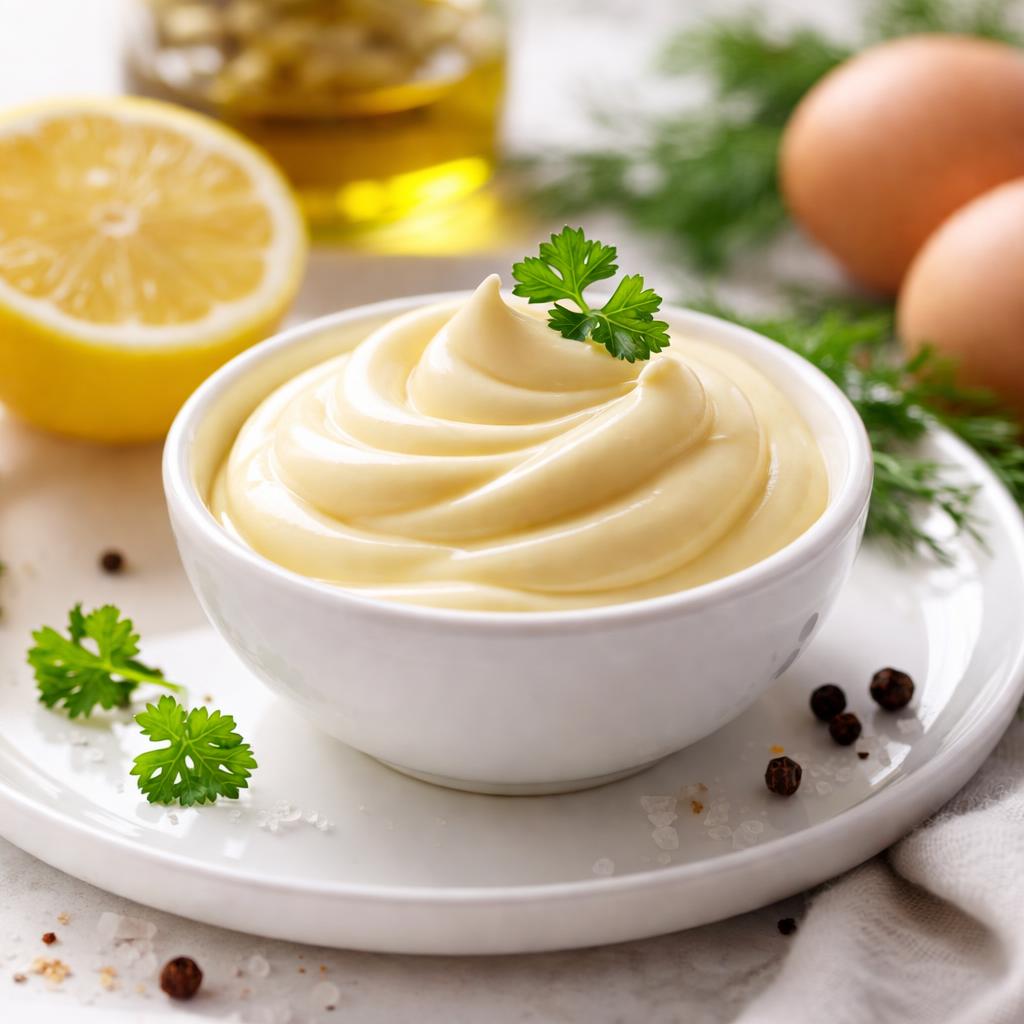
Mayonnaise
🎯 Quick Verdict
Eggs are a nutrient-dense food, providing high protein, essential vitamins, and moderate fats. Mayonnaise, though calorie-dense, is low in nutrients and primarily consists of fats. Eggs are ideal for nourishing meals, while mayonnaise serves as a condiment or flavor enhancer in moderation.

Smart Nutrition Tracking with SnapCalorie

📊 Nutritional Comparison
Macronutrients
| Nutrient | Food 1 | Food 2 | Winner |
|---|---|---|---|
| Calories | 70 | 100 | ✓ |
| Protein | 6g | 0.2g | ✓ |
| Carbs | 0.6g | 0.1g | ✓ |
| Fat | 5g | 11g | ✓ |
| Fiber | 0g | 0g | − |
Vitamins & Minerals
| Nutrient | Food 1 | Food 2 | Winner |
|---|---|---|---|
| Vitamin D | 1mcg | 0mcg | ✓ |
| Calcium | 25mg | 6mg | ✓ |
| Iron | 0.9mg | 0mg | ✓ |
🏆 Category Winners
Protein
Eggs provide significantly higher protein, with 6g per serving compared to almost none in mayonnaise.
Fiber
Neither eggs nor mayonnaise contain notable fiber.
Calories
Eggs are lower in calories with 70 per serving compared to 100 in mayo.
Vitamins
Eggs offer more vitamins such as vitamin D and iron, while mayonnaise lacks notable vitamin content.
🥗 Diet Compatibility
Keto
Food 1: Compatible
Food 2: Compatible
Both are low-carb and high-fat, meeting keto requirements.
Vegan
Food 1: Not Compatible
Food 2: Not Compatible
Both contain animal-derived ingredients (eggs in both).
Gluten Free
Food 1: Compatible
Food 2: Compatible
Neither contains gluten.
Paleo
Food 1: Compatible
Food 2: Not Compatible
Eggs are natural whole foods, while mayonnaise typically contains processed ingredients.
Low-Carb
Food 1: Compatible
Food 2: Compatible
Both are extremely low-carb options suitable for low-carb diets.
💪 Health Benefits Comparison
Food 1 Benefits
- Rich source of high-quality protein for muscle repair and growth
- Contains essential vitamins like Vitamin D, which supports bone and immune health
- Provides healthy fats and choline important for brain function
Food 2 Benefits
- Contains healthy fats (depending on type, e.g., olive oil-based mayo) that support heart health
- Enhances flavor in meals, encouraging overall dietary intake
- Can be a calorie-dense energy source
✅ The Bottom Line
Eggs are the clear winner for nutritional value, offering high protein, essential vitamins, and reasonable calorie content. Mayonnaise works best in small quantities as a condiment or flavor enhancer due to its calorie density and lack of significant nutrients.
Choose Food 1 for: High-protein diets, balanced meals, nutrient-rich snacks
Choose Food 2 for: Flavor enhancement, high-calorie needs, occasional use in dips/spreads


