Egg VS Italian Dressing
A detailed nutritional comparison
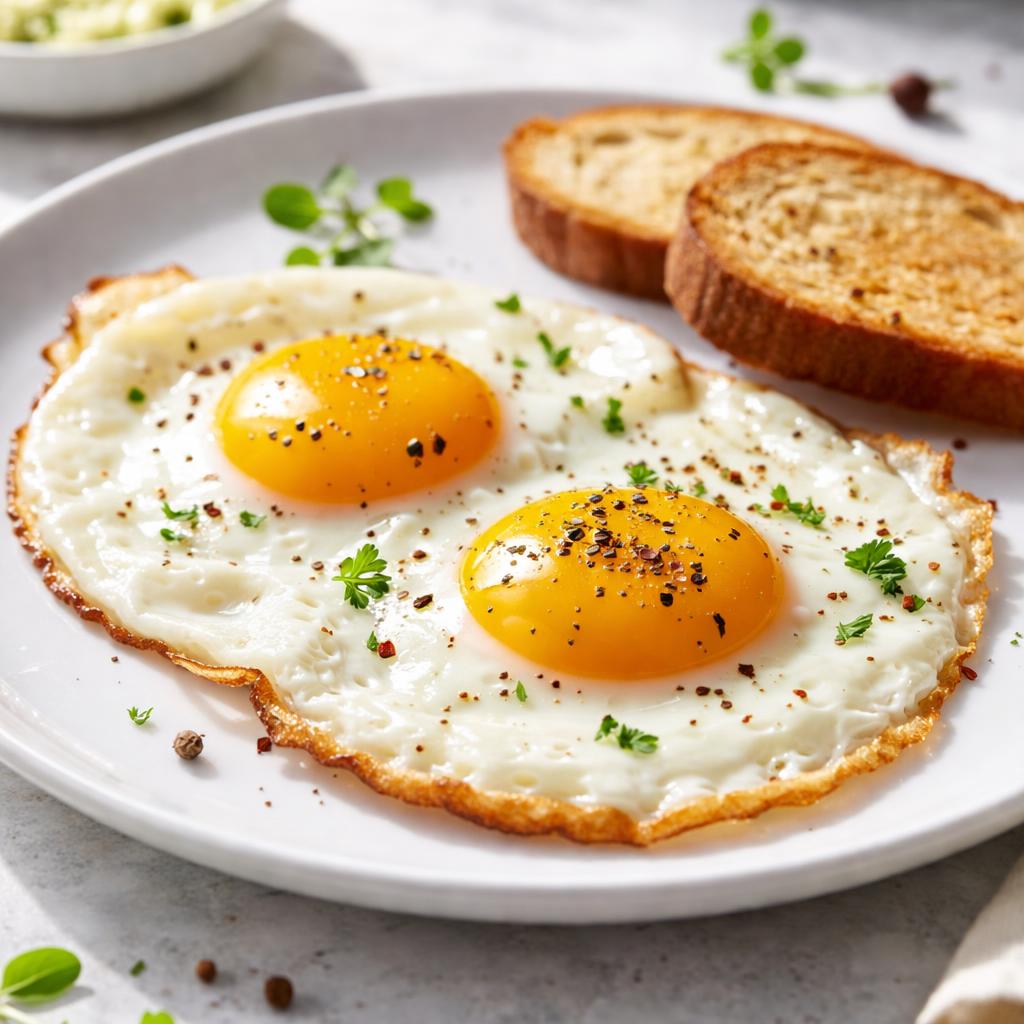
Egg
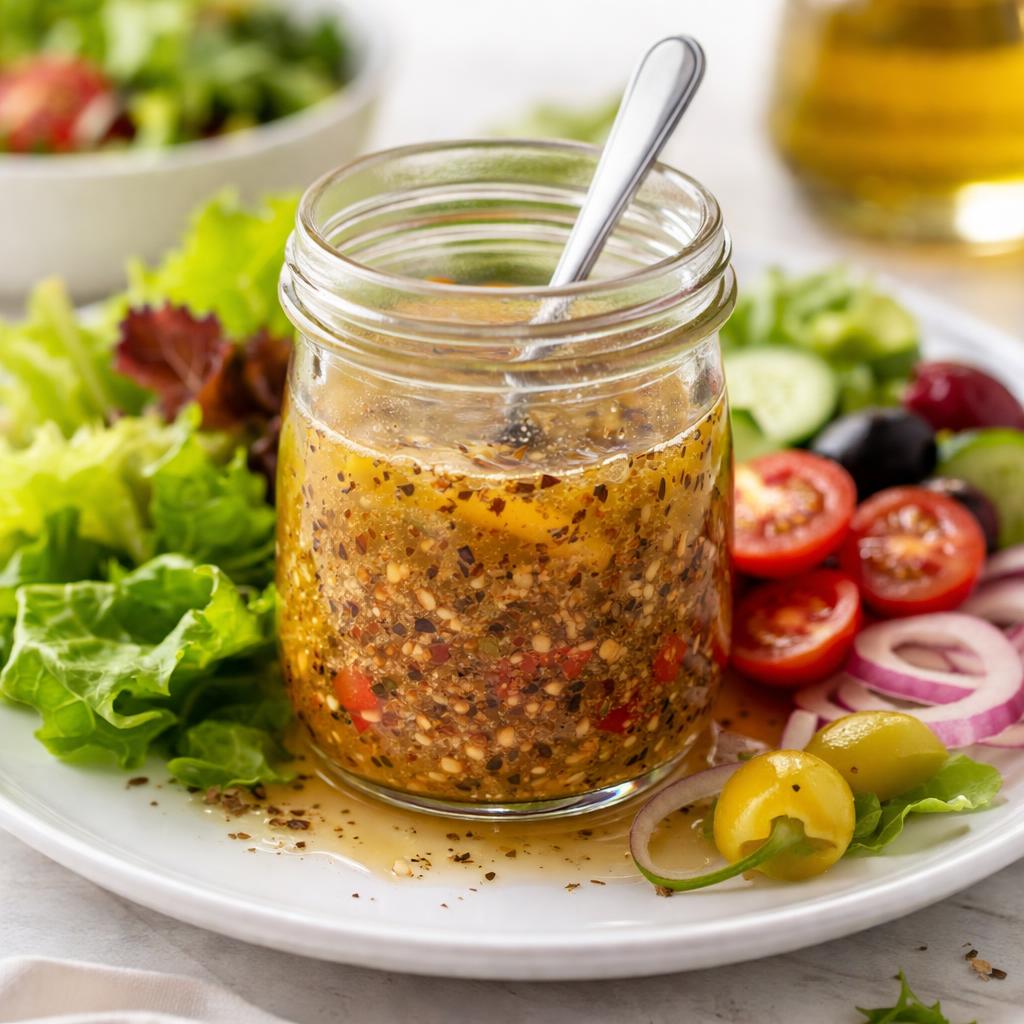
Italian Dressing
🎯 Quick Verdict
Eggs provide a superior nutritional profile compared to Italian dressing, offering high-quality protein, essential vitamins, and minerals, while being low in calories. Italian dressing is primarily fat-based and is better suited as a condiment rather than a primary food source due to its high calorie and fat content with minimal other nutrients.

Smart Nutrition Tracking with SnapCalorie

📊 Nutritional Comparison
Macronutrients
| Nutrient | Food 1 | Food 2 | Winner |
|---|---|---|---|
| Calories | 68 per large egg | 120 per 2 tbsp | ✓ |
| Protein | 6g | 0g | ✓ |
| Carbs | 0.5g | 3g | ✓ |
| Fat | 5g | 11g | ✓ |
| Fiber | 0g | 0g | − |
Vitamins & Minerals
| Nutrient | Food 1 | Food 2 | Winner |
|---|---|---|---|
| Vitamin D | 1mcg | 0mcg | ✓ |
| Calcium | 25mg | 5mg | ✓ |
| Iron | 0.9mg | 0mg | ✓ |
🏆 Category Winners
Protein
Eggs contain 6g of high-quality protein per serving, significantly more than Italian dressing.
Fiber
Neither food contains fiber.
Calories
Eggs have fewer calories per serving compared to Italian dressing.
🥗 Diet Compatibility
Keto
Food 1: Compatible
Food 2: Compatible
Both foods are low-carb and high-fat.
Vegan
Food 1: Not Compatible
Food 2: Compatible
Eggs are an animal product, while Italian dressing is plant-based.
Gluten Free
Food 1: Compatible
Food 2: Compatible
Neither contains gluten.
Paleo
Food 1: Compatible
Food 2: Depends on type
Eggs are paleo-friendly, but check for added sugars in Italian dressing.
Low-Carb
Food 1: Compatible
Food 2: Compatible
Both have minimal carbohydrates.
💪 Health Benefits Comparison
Food 1 Benefits
- Rich in protein for muscle maintenance and repair
- Provides Vitamin D for bone health
- Contains choline for brain function
Food 2 Benefits
- Source of healthy fats for cardiovascular health
- Adds flavor to meals without refined carbs
- Can contain beneficial antioxidants depending on ingredients
✅ The Bottom Line
Eggs are a nutrient-dense option for anyone looking to boost protein, vitamins, and minerals while keeping calories low and quality high. Italian dressing is best used sparingly for flavor enhancement due to its high-fat content and minimal additional nutrients.
Choose Food 1 for: High-protein meals, weight management, overall nutrient boost
Choose Food 2 for: Salad dressing, flavoring meals, heart-healthy diets (if olive oil-based)


