Egg VS Flatbread
A detailed nutritional comparison

Egg
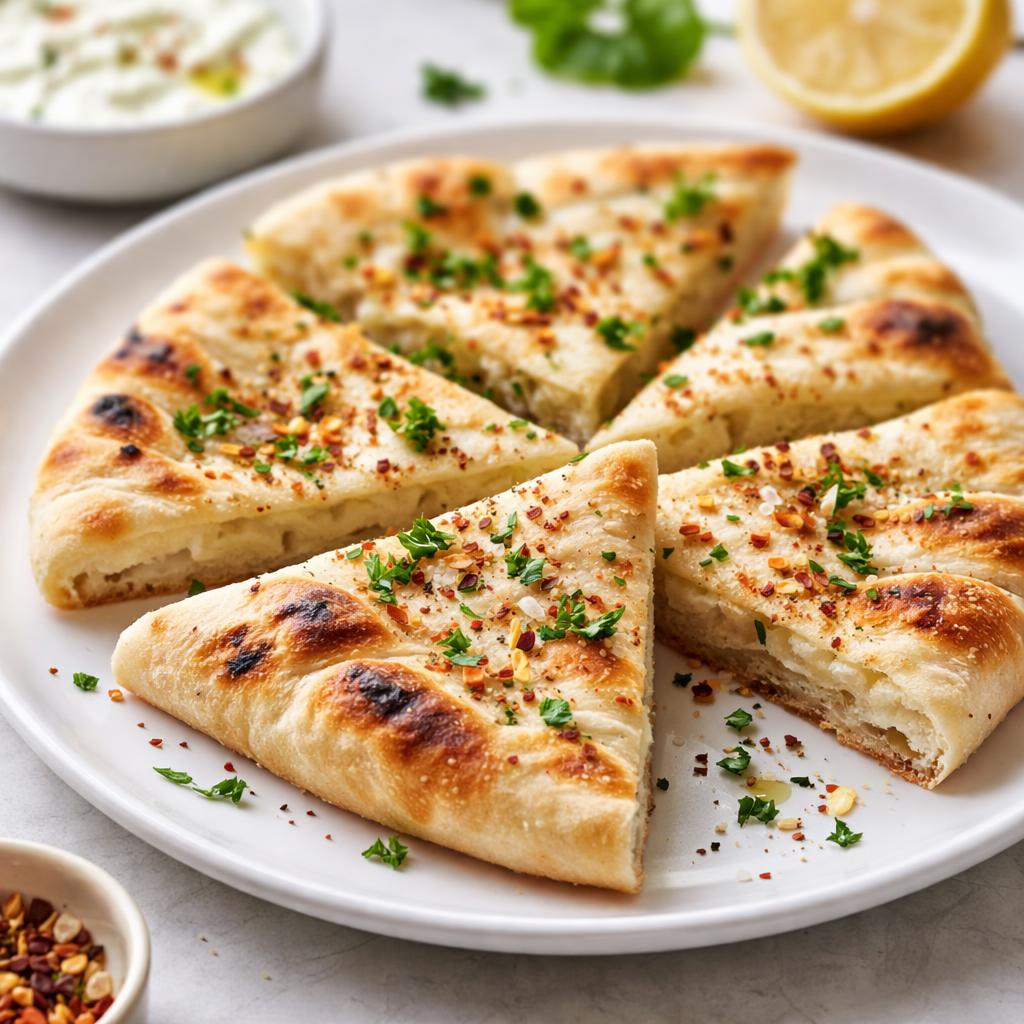
Flatbread
🎯 Quick Verdict
Eggs are nutrient-dense, offering high protein, essential vitamins, and fewer calories, making them ideal for weight loss or muscle maintenance. Flatbread provides more fiber and sustained energy due to its higher carbohydrate content, making it a better choice for fueling physical activities or as part of a balanced meal.

Smart Nutrition Tracking with SnapCalorie

📊 Nutritional Comparison
Macronutrients
| Nutrient | Food 1 | Food 2 | Winner |
|---|---|---|---|
| Calories | 70 | 150 | ✓ |
| Protein | 6g | 3g | ✓ |
| Carbs | <1g | 28g | ✓ |
| Fat | 5g | 4g | ✓ |
| Fiber | 0g | 2g | ✓ |
Vitamins & Minerals
| Nutrient | Food 1 | Food 2 | Winner |
|---|---|---|---|
| Vitamin D | 1mcg | 0mcg | ✓ |
| Calcium | 25mg | 40mg | ✓ |
| Iron | 0.8mg | 1.2mg | ✓ |
| Choline | 147mg | 0mg | ✓ |
🏆 Category Winners
Protein
Eggs contain double the protein of flatbread per serving.
Fiber
Flatbread has 2g of fiber compared to 0g in eggs.
Calories
Eggs provide less than half the calories of flatbread per serving.
Vitamins
Eggs offer vitamin D and choline, which flatbread lacks entirely.
🥗 Diet Compatibility
Keto
Food 1: Compatible
Food 2: Not Compatible
Eggs are low-carb (<1g per serving).
Vegan
Food 1: Not Compatible
Food 2: Compatible
Eggs are animal-based; flatbread is plant-based.
Gluten Free
Food 1: Compatible
Food 2: Not Compatible
Eggs are naturally gluten-free, while flatbread often contains wheat.
Paleo
Food 1: Compatible
Food 2: Not Compatible
Eggs fit paleo diets, while flatbread is processed and grain-based.
Low Carb
Food 1: Compatible
Food 2: Not Compatible
Eggs have negligible carbs (<1g); flatbread has 28g.
💪 Health Benefits Comparison
Food 1 Benefits
- High protein supports muscle growth and repair.
- Contains vitamin D for bone health.
- Rich in choline, essential for brain function.
Food 2 Benefits
- Good source of fiber for digestive health.
- Provides energy from carbohydrates for physical activity.
- Contains iron and calcium for blood and bone health.
✅ The Bottom Line
Eggs are the better choice for low-carb, high-protein, and nutrient-dense diets, ideal for weight loss, muscle building, or paleo lifestyles. Flatbread works well for those seeking higher fiber, energy-rich meals, or plant-based options during active days.
Choose Food 1 for: Low-carb diets, muscle maintenance, nutrient-dense snacks
Choose Food 2 for: High-energy meals, vegan diets, fiber-rich sustenance


