Egg VS Fish
A detailed nutritional comparison

Egg
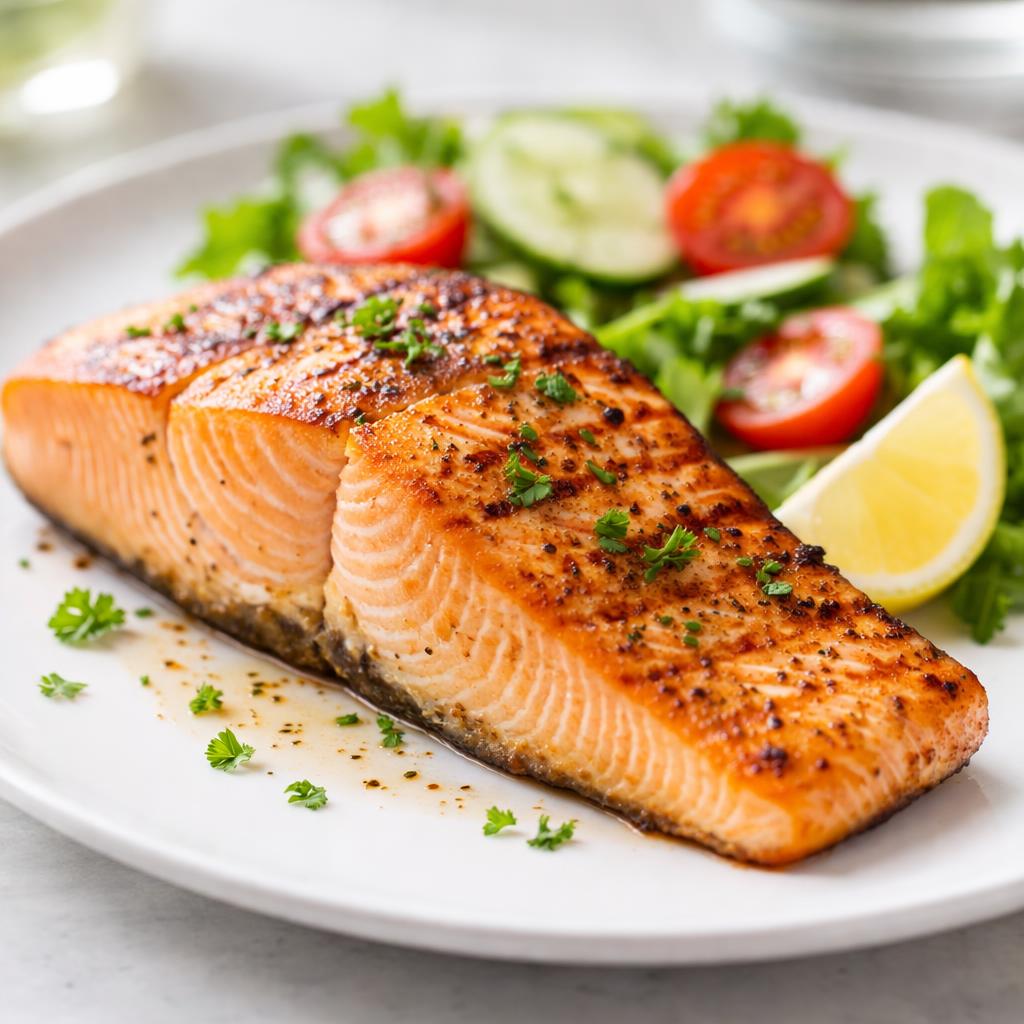
Fish
🎯 Quick Verdict
Both eggs and fish are excellent sources of protein, but fish generally provides more protein, omega-3 fatty acids, and vitamins such as B12 and selenium. Eggs are rich in nutrients and versatile for meals, while fish excels in heart-healthy fats and overall nutrient density. Choose eggs for convenience and quick meals, and fish for higher protein and essential fats.

Smart Nutrition Tracking with SnapCalorie

📊 Nutritional Comparison
Macronutrients
| Nutrient | Food 1 | Food 2 | Winner |
|---|---|---|---|
| Calories | 68 per medium egg | 68 per 3 ounces (cod) | − |
| Protein | 5.5g | 15g | − |
| Carbs | 0.6g | 0g | − |
| Fat | 4.5g | 0.5g | − |
| Fiber | 0g | 0g | − |
Vitamins & Minerals
| Nutrient | Food 1 | Food 2 | Winner |
|---|---|---|---|
| Vitamin D | 1mcg | 3mcg | − |
| Vitamin B12 | 0.4mcg | 2mcg | − |
| Selenium | 15mcg | 40mcg | − |
🏆 Category Winners
Protein
Fish provides 2.7 times as much protein per serving compared to eggs.
Fiber
Neither eggs nor fish contain fiber.
Calories
Both have similar calorie counts per serving (68 per medium egg, 68 per 3 ounces of fish).
Vitamins
Fish has notably higher levels of Vitamin D, B12, and Selenium than eggs.
🥗 Diet Compatibility
Keto
Food 1: Compatible
Food 2: Compatible
Both are low-carb and keto-friendly.
Vegan
Food 1: Not Compatible
Food 2: Not Compatible
Both are animal-based and not suitable for vegans.
Gluten Free
Food 1: Compatible
Food 2: Compatible
Neither contains gluten.
Paleo
Food 1: Compatible
Food 2: Compatible
Both are accepted in a paleo diet as whole and minimally processed foods.
Low-Carb
Food 1: Compatible
Food 2: Compatible
Both have very low carbohydrate content.
💪 Health Benefits Comparison
Food 1 Benefits
- Rich in choline for brain health
- Contains high-quality protein for muscle building
- Source of vitamin D for bone health
Food 2 Benefits
- High in omega-3 fatty acids for heart and brain health
- Excellent source of selenium for antioxidant protection
- Rich in vitamin B12 for energy and blood cell production
- Low in fat while high in protein
✅ The Bottom Line
Fish offers superior protein and essential fats, making it ideal for heart and brain health. Eggs are an excellent, versatile choice for quick meals that balance protein and fat while providing key nutrients like choline. Choose fish when aiming for maximum nutrient density, and eggs for convenience and affordability.
Choose Food 1 for: Cheap and convenient protein source, breakfast or quick recipes, moderate-fat diets
Choose Food 2 for: High-protein diets, heart health, maintaining lean muscle mass, nutrient-dense meals


