Egg VS Egg Whites
A detailed nutritional comparison

Egg
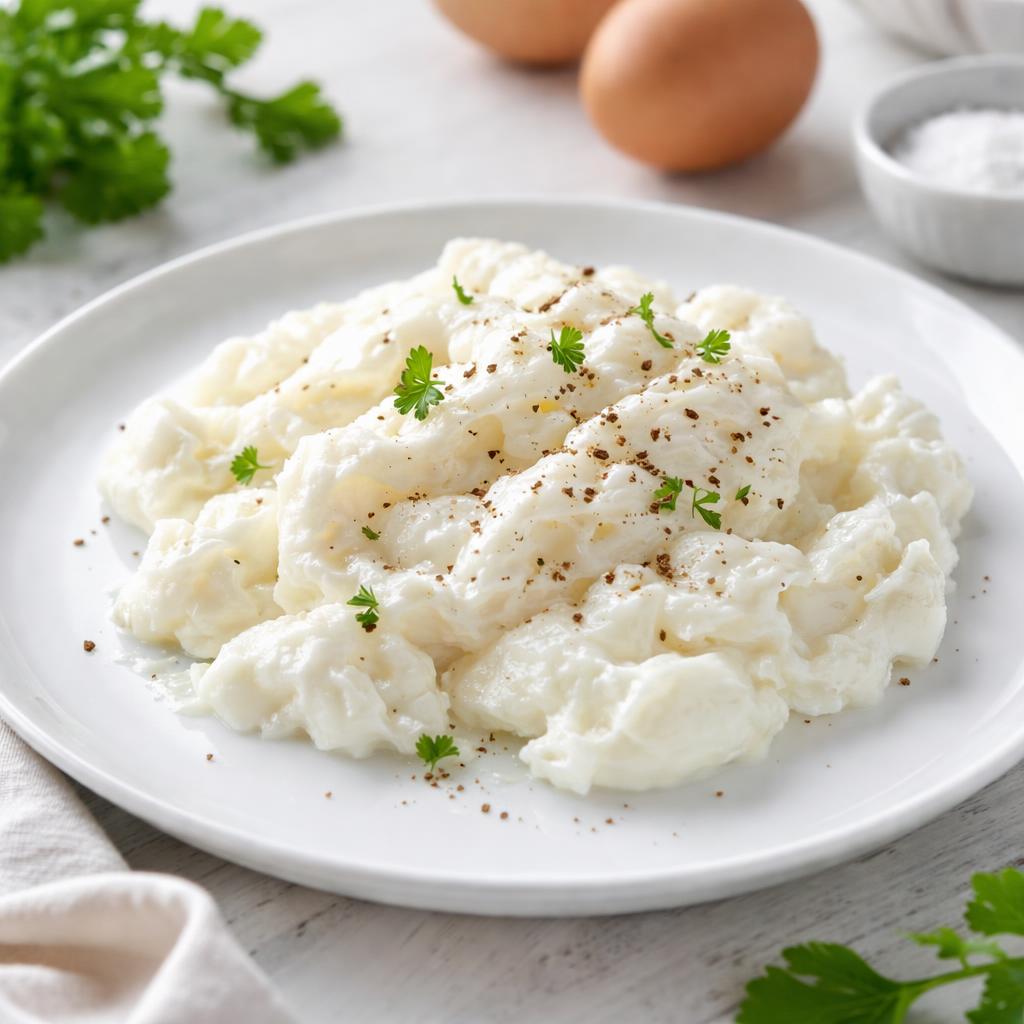
Egg Whites
🎯 Quick Verdict
Eggs are nutrient-dense, containing protein, healthy fats, vitamins, and minerals, while egg whites primarily offer lean protein with minimal calories and fat. Eggs are ideal for balanced nutrition, whereas egg whites cater to low-fat, low-calorie, and high-protein dietary goals.

Smart Nutrition Tracking with SnapCalorie

📊 Nutritional Comparison
Macronutrients
| Nutrient | Food 1 | Food 2 | Winner |
|---|---|---|---|
| Calories | 70 | 17 | ✓ |
| Protein | 6g | 3.6g | ✓ |
| Carbs | 0.6g | 0.2g | ✓ |
| Fat | 5g | 0g | ✓ |
| Fiber | 0g | 0g | − |
Vitamins & Minerals
| Nutrient | Food 1 | Food 2 | Winner |
|---|---|---|---|
| Vitamin D | 1.1mcg | 0mcg | ✓ |
| Choline | 147mg | 0mg | ✓ |
| Vitamin B12 | 0.6mcg | 0mcg | ✓ |
🏆 Category Winners
Protein
Egg whites contain slightly more protein per calorie and are almost pure protein.
Fiber
Neither eggs nor egg whites contain fiber.
Calories
Egg whites are far lower in calories with only 17 per serving compared to 70 for whole eggs.
Vitamins
Eggs contain essential vitamins like Vitamin D, choline, and B12, which are absent in egg whites.
🥗 Diet Compatibility
Keto
Food 1: Compatible
Food 2: Compatible
Both foods are low-carb and align with keto principles.
Vegan
Food 1: Not Compatible
Food 2: Not Compatible
Eggs and egg whites are animal-based products.
Gluten Free
Food 1: Compatible
Food 2: Compatible
Neither eggs nor egg whites contain gluten.
Paleo
Food 1: Compatible
Food 2: Compatible
Eggs and egg whites fit into paleo diets as natural, whole foods.
Low-Carb
Food 1: Compatible
Food 2: Compatible
Both foods are low in carbohydrates (under 1g per serving).
💪 Health Benefits Comparison
Food 1 Benefits
- Rich in healthy fats for brain function
- Excellent source of Vitamin D for bone health
- Provides choline for liver and memory support
- Contains antioxidants that support eye health
Food 2 Benefits
- Low in calories for weight management
- Pure protein for muscle building and recovery
- Fat-free, making it heart-healthy
- Ideal for minimizing cholesterol intake
✅ The Bottom Line
Choose eggs for balanced nutrition, healthy fats, and vitamins, ideal for most diets. Opt for egg whites if you need low-calorie, high-protein options without fat or cholesterol, great for weight management and workout recovery.
Choose Food 1 for: Balanced meals, overall nutrition, keto or paleo diets
Choose Food 2 for: Low-fat diets, weight loss, bodybuilding, post-workout


