Egg VS Cookie
A detailed nutritional comparison

Egg
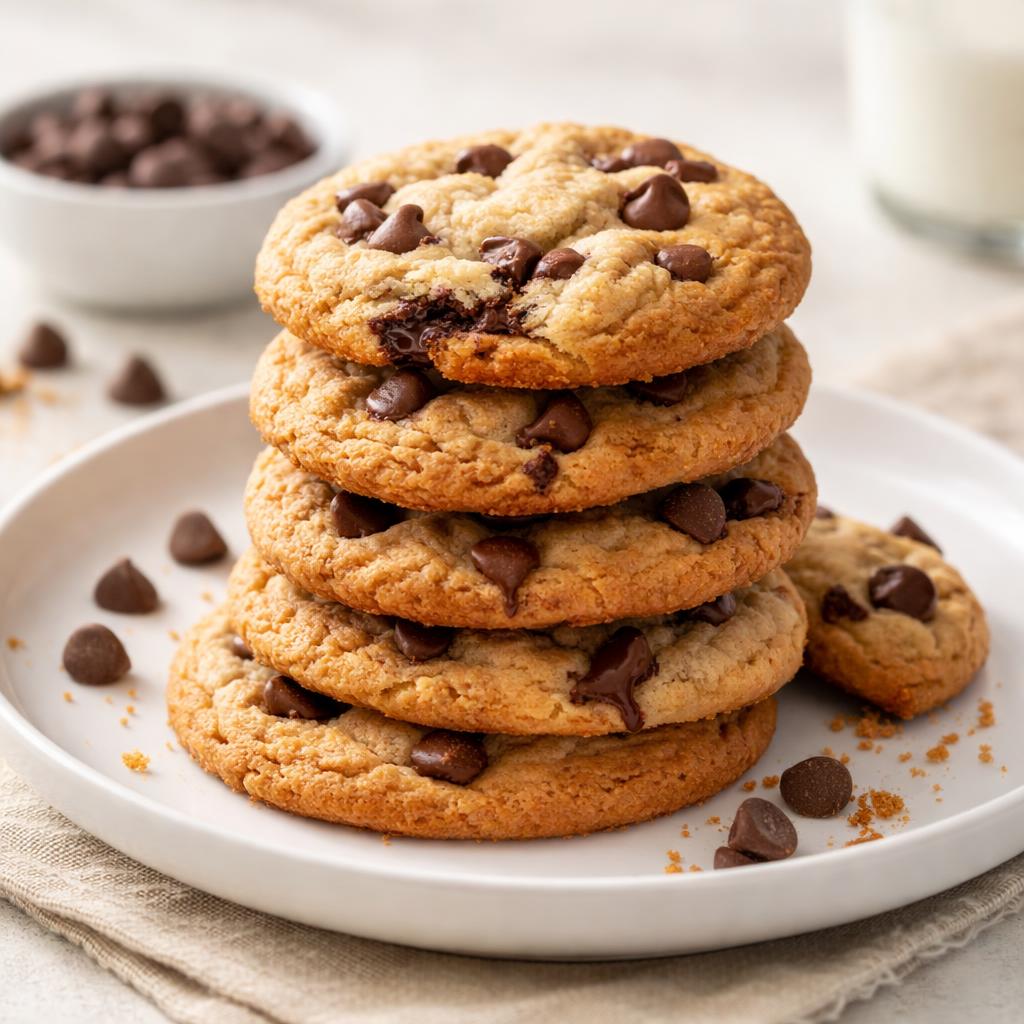
Cookie
🎯 Quick Verdict
Eggs are a high-protein, nutrient-dense option with fewer calories and fat, suitable for muscle maintenance and weight management. Cookies, while higher in calories and sugar, provide a quick source of energy but lack substantial nutritional benefits compared to eggs. Opt for eggs for nutrition-focused diets and cookies for indulgent treats or quick energy.

Smart Nutrition Tracking with SnapCalorie

📊 Nutritional Comparison
Macronutrients
| Nutrient | Food 1 | Food 2 | Winner |
|---|---|---|---|
| Calories | 70 | 200 | ✓ |
| Protein | 6g | 1g | ✓ |
| Carbs | 1g | 28g | ✓ |
| Fat | 5g | 10g | ✓ |
| Fiber | 0g | 1g | ✓ |
Vitamins & Minerals
| Nutrient | Food 1 | Food 2 | Winner |
|---|---|---|---|
| Vitamin D | 1mcg | 0mcg | ✓ |
| Calcium | 25mg | 15mg | ✓ |
| Iron | 1mg | 0.5mg | ✓ |
🏆 Category Winners
Protein
Eggs have 6 times more protein than cookies.
Fiber
Cookies contain 1g of fiber, whereas eggs contain none.
Calories
Eggs have 65% fewer calories per serving compared to cookies.
🥗 Diet Compatibility
Keto
Food 1: Compatible
Food 2: Not Compatible
Eggs are low-carb (1g per serving), while cookies are high in carbs.
Vegan
Food 1: Not Compatible
Food 2: Depends on ingredients
Eggs are animal-based; cookies may be vegan if made without animal products.
Gluten Free
Food 1: Compatible
Food 2: Depends on ingredients
Eggs are naturally gluten-free; cookies may contain gluten if made with wheat flour.
Paleo
Food 1: Compatible
Food 2: Not Compatible
Eggs fit paleo guidelines, but cookies are typically processed and include grains or refined sugar.
Low-Carb
Food 1: Compatible
Food 2: Not Compatible
Eggs are very low in carbs, while cookies are high-carb.
💪 Health Benefits Comparison
Food 1 Benefits
- Rich in protein to support muscle growth and repair
- Good source of Vitamin D for bone health
- Contains essential amino acids for bodily functions
- Low-calorie option for weight management
Food 2 Benefits
- Provides quick energy due to high carbohydrate content
- Contains minimal fiber for digestion (if whole grains are used)
- May include antioxidants from dark chocolate or nuts (if present)
- Indulgent treat to satisfy cravings
✅ The Bottom Line
Eggs are an optimal choice for those focused on nutrition, weight management, and high-protein diets, while cookies are better as occasional treats or quick energy sources. Eggs are versatile and highly compatible with various dietary plans, while cookies are indulgent but less nutritious overall.
Choose Food 1 for: Weight loss, high-protein diets, post-workout recovery, keto/paleo lifestyles
Choose Food 2 for: Quick energy boosts, indulgent cravings, dessert or snack options


