Egg VS Bananas
A detailed nutritional comparison

Egg
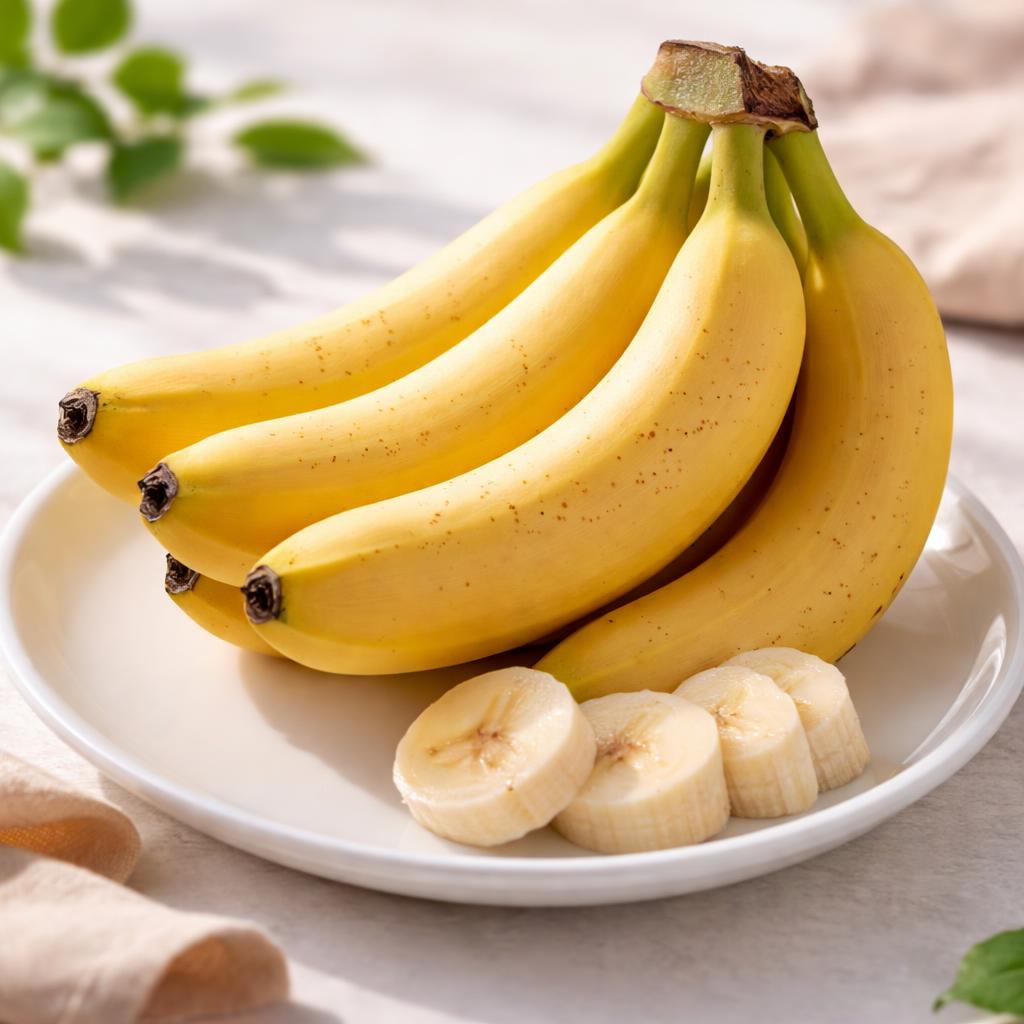
Bananas
🎯 Quick Verdict
Eggs and bananas differ greatly in their nutritional profiles. Eggs are high in protein, healthy fats, and essential vitamins like B12, while bananas are rich in carbohydrates, dietary fiber, and potassium. Eggs are a better fit for protein-heavy diets, whereas bananas serve as a quick, energizing snack, especially for athletes and those needing sustained energy throughout the day.

Smart Nutrition Tracking with SnapCalorie

📊 Nutritional Comparison
Macronutrients
| Nutrient | Food 1 | Food 2 | Winner |
|---|---|---|---|
| Calories | 70 | 105 | ✓ |
| Protein | 6g | 1.3g | ✓ |
| Carbs | 0.6g | 27g | ✓ |
| Fat | 5g | 0.3g | ✓ |
| Fiber | 0g | 3g | ✓ |
Vitamins & Minerals
| Nutrient | Food 1 | Food 2 | Winner |
|---|---|---|---|
| Vitamin B12 | 0.6mcg | 0mcg | ✓ |
| Vitamin C | 0mcg | 10mg | ✓ |
| Vitamin D | 1mcg | 0mcg | ✓ |
| Potassium | 69mg | 422mg | ✓ |
| Iron | 0.9mg | 0.3mg | ✓ |
🏆 Category Winners
Protein
Eggs have significantly more protein, supporting muscle growth and maintenance.
Fiber
Bananas contain 3g of fiber per serving, while eggs provide none.
Calories
Eggs contain 70 calories, while bananas have 105 calories per serving.
Vitamins
Food1 excels in Vitamin B12 and D, while food2 dominates in Vitamin C and potassium.
🥗 Diet Compatibility
Keto
Food 1: Compatible
Food 2: Not Compatible
Eggs are low-carb, while bananas are high in carbs (27g per serving).
Vegan
Food 1: Not Compatible
Food 2: Compatible
Bananas are plant-based, while eggs are an animal product.
Gluten Free
Food 1: Compatible
Food 2: Compatible
Both foods are naturally gluten-free.
Paleo
Food 1: Compatible
Food 2: Compatible
Both are unprocessed and align with Paleo principles.
Low-Carb
Food 1: Compatible
Food 2: Not Compatible
Eggs contain minimal carbs, while bananas are carb-dense.
💪 Health Benefits Comparison
Food 1 Benefits
- Excellent source of high-quality protein for muscle growth and repair
- Rich in Vitamin B12 for brain and nerve function
- Provides healthy fats to support long-term satiety
Food 2 Benefits
- High in potassium for electrolyte balance and muscle functionality
- Contains dietary fiber to support digestive health
- Provides natural sugars for quick and sustained energy
✅ The Bottom Line
Eggs and bananas complement each other nutritionally. Choose eggs for protein-rich meals or if following keto or low-carb diets. Bananas are ideal for quick energy boosts, digestion, and electrolyte balance due to their high fiber and potassium content.
Choose Food 1 for: High-protein meals, low-carb diets, satiety and muscle recovery
Choose Food 2 for: Athletes, quick energy snacks, digestive health


