Cucumber VS Tomatoes
A detailed nutritional comparison
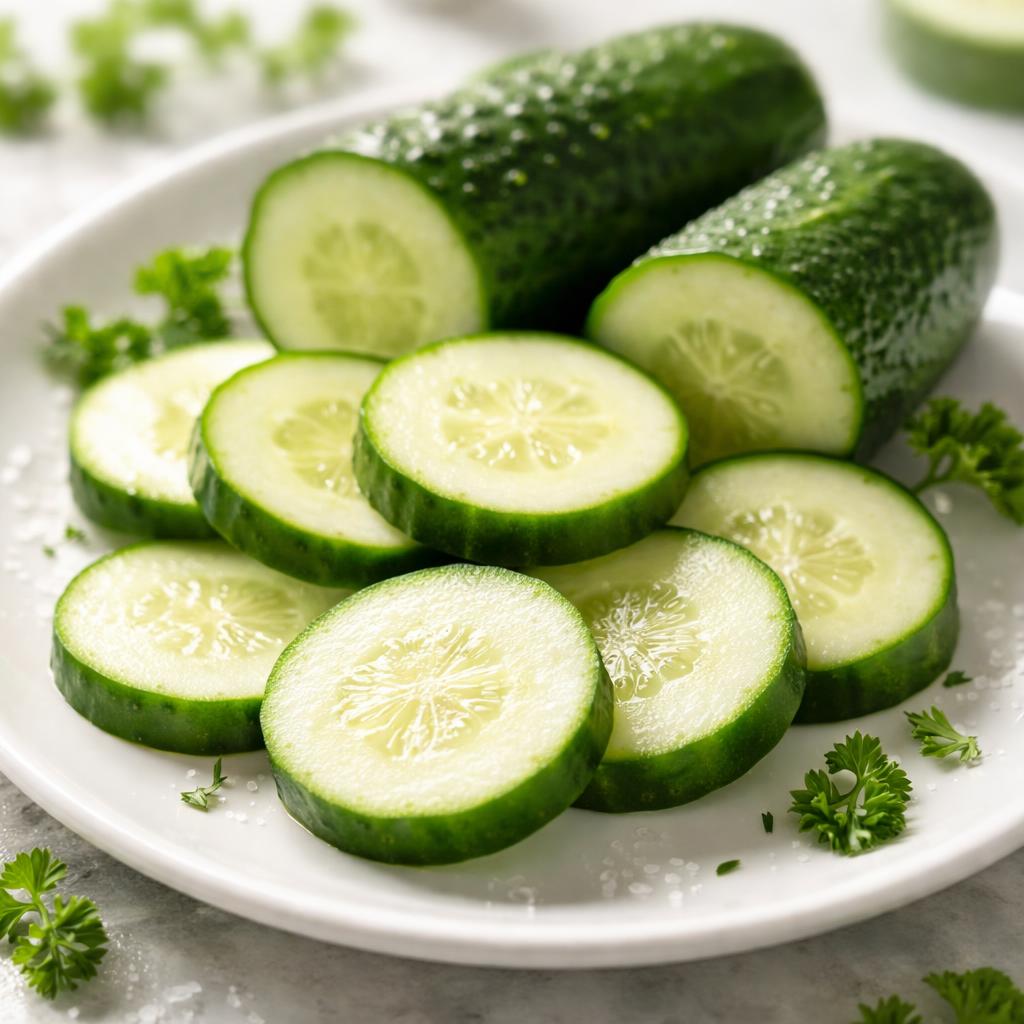
Cucumber
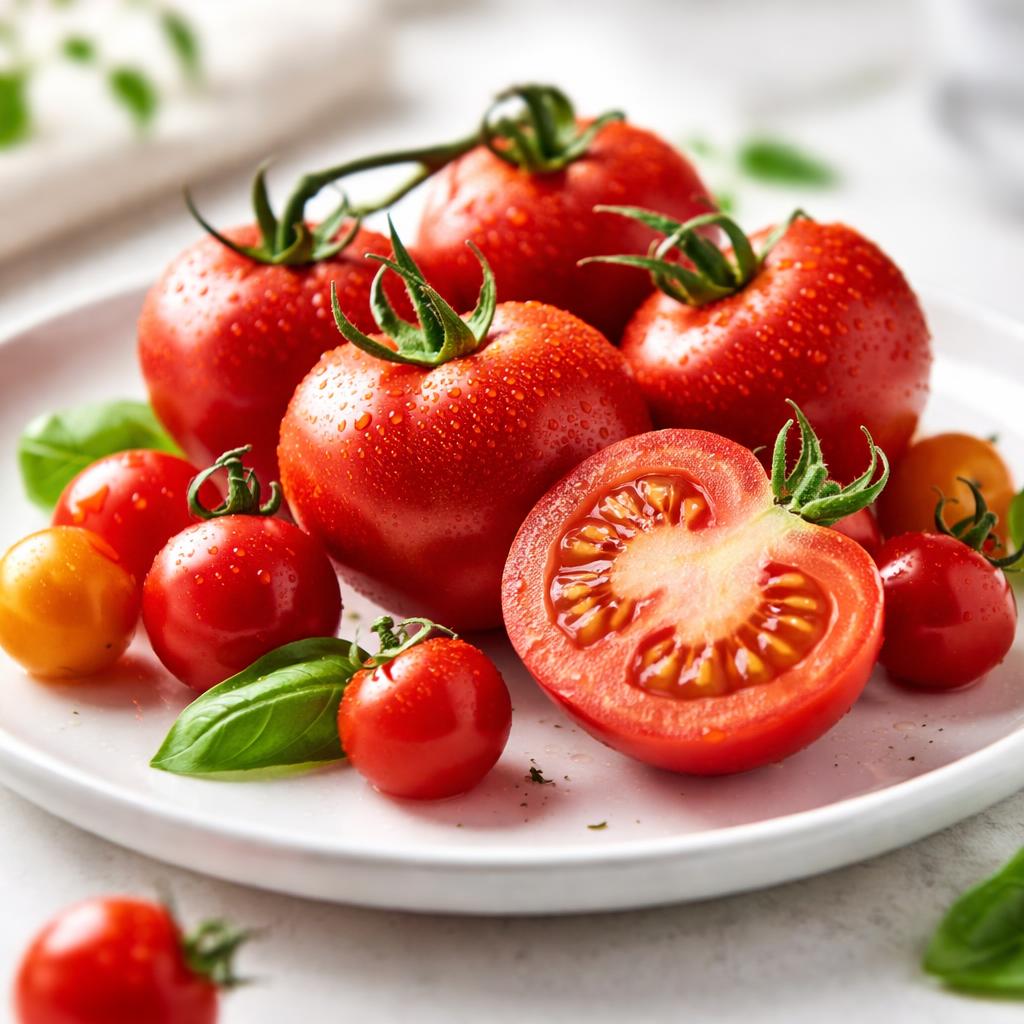
Tomatoes
🎯 Quick Verdict
Cucumbers and tomatoes are both low-calorie, nutrient-dense foods ideal for healthy eating. Cucumbers have fewer calories, making them better for strict calorie control, while tomatoes offer slightly more vitamins and antioxidants, particularly Vitamin C and lycopene. Both are versatile and fit into various diets, including keto, vegan, and paleo plans.

Smart Nutrition Tracking with SnapCalorie

📊 Nutritional Comparison
Macronutrients
| Nutrient | Food 1 | Food 2 | Winner |
|---|---|---|---|
| Calories | 15 | 18 | ✓ |
| Protein | 0.7g | 0.9g | − |
| Carbs | 3.6g | 3.9g | − |
| Fat | 0.1g | 0.2g | − |
| Fiber | 0.5g | 0.5g | − |
Vitamins & Minerals
| Nutrient | Food 1 | Food 2 | Winner |
|---|---|---|---|
| Vitamin C | 2.8mg | 13.7mg | ✓ |
| Vitamin A | 5IU | 1025IU | ✓ |
| Potassium | 147mg | 237mg | ✓ |
| Vitamin K | 16.4mcg | 7.9mcg | ✓ |
🏆 Category Winners
Protein
Both foods offer negligible amounts of protein.
Fiber
Fiber content is equal in both foods.
Calories
Cucumber has slightly fewer calories per serving.
Vitamins
Tomatoes are richer in key vitamins like Vitamin C and Vitamin A.
🥗 Diet Compatibility
Keto
Food 1: Compatible
Food 2: Compatible
Both are low-carb vegetables suitable for keto diets.
Vegan
Food 1: Compatible
Food 2: Compatible
Both are plant-based.
Gluten Free
Food 1: Compatible
Food 2: Compatible
Neither contains gluten.
Paleo
Food 1: Compatible
Food 2: Compatible
Both are whole, unprocessed foods suitable for paleo diets.
Low Carb
Food 1: Compatible
Food 2: Compatible
Both foods are naturally low in carbohydrates (under 4g per serving).
💪 Health Benefits Comparison
Food 1 Benefits
- Extremely low in calories, great for weight loss
- Hydrating due to high water content (over 95%)
- Good source of Vitamin K, important for bone health
Food 2 Benefits
- High in antioxidants like lycopene, beneficial for heart health
- Rich in Vitamin C to support immunity
- Contains Vitamin A, which is essential for vision and skin health
✅ The Bottom Line
Choose cucumbers for hydration, weight loss, and calorie control. Opt for tomatoes if you need more vitamins and antioxidants in your diet. Both foods complement each other well in salads, snacks, or as accompaniments to main dishes.
Choose Food 1 for: Hydration, calorie control, summer snacks
Choose Food 2 for: Immune support, heart health, antioxidant benefits


