Cucumber VS Spinach
A detailed nutritional comparison
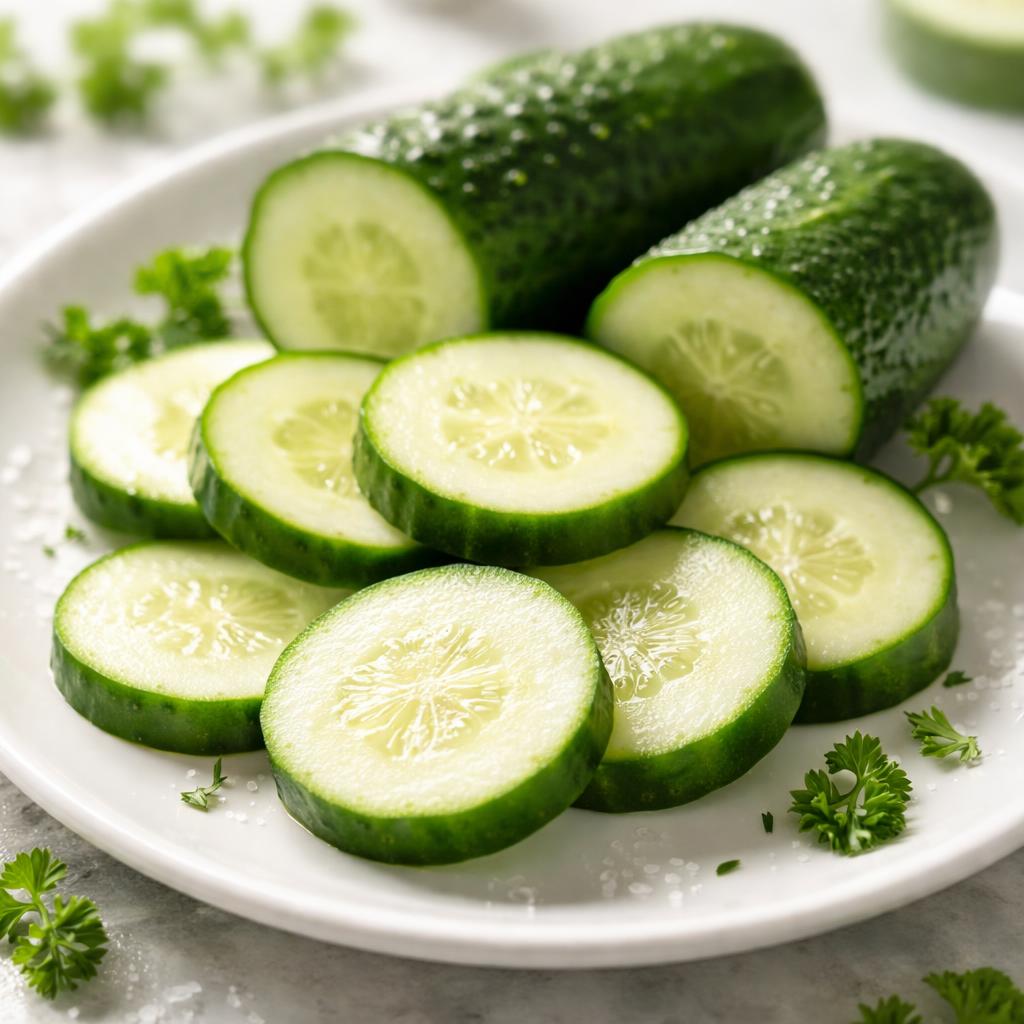
Cucumber
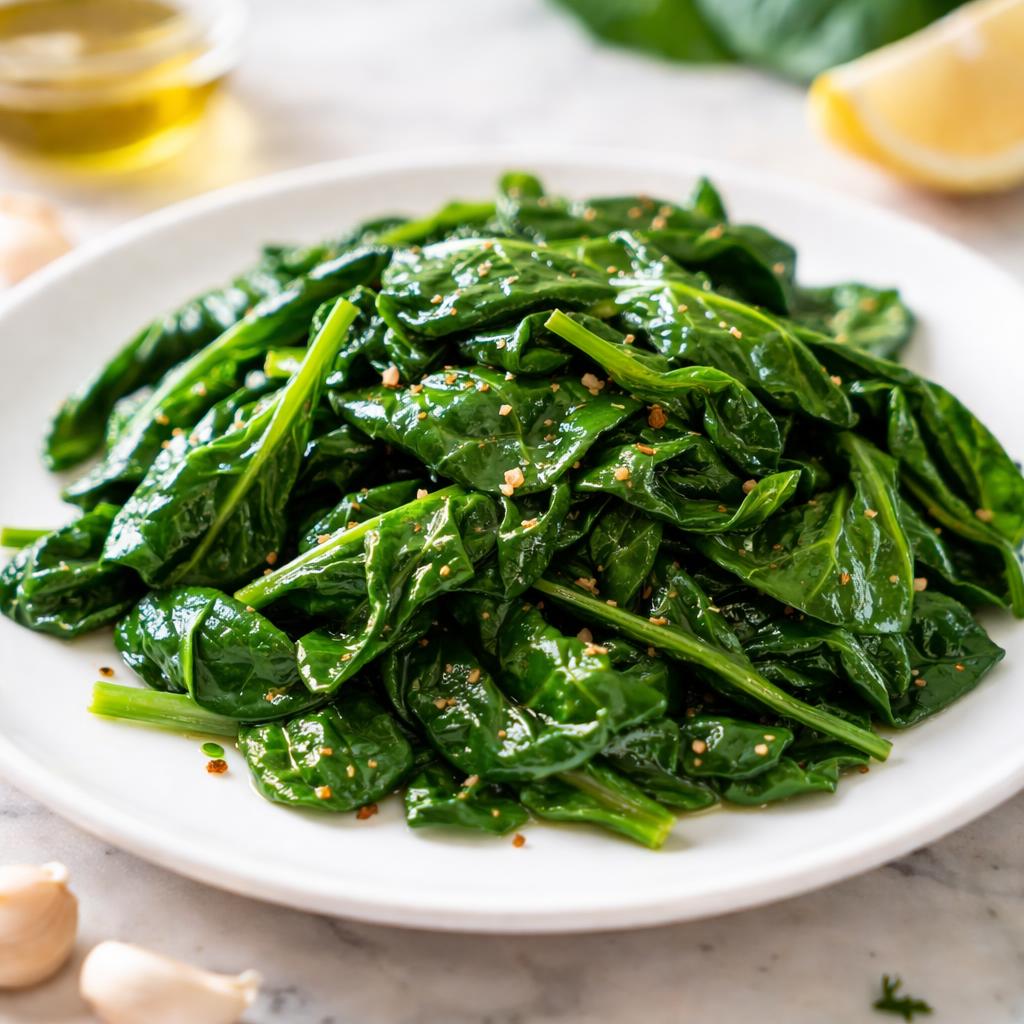
Spinach
🎯 Quick Verdict
Spinach and cucumber both shine in terms of being low-calorie and nutrient-dense foods. Spinach wins in protein and fiber content, offering higher overall nutritional value. Cucumber stands out in hydration due to its high water content and is great for snacking or hydration needs, while spinach is a better choice for nutrient density and balanced diets requiring higher vitamins and minerals.

Smart Nutrition Tracking with SnapCalorie

📊 Nutritional Comparison
Macronutrients
| Nutrient | Food 1 | Food 2 | Winner |
|---|---|---|---|
| Calories | 16 (per 100g) | 23 (per 100g) | − |
| Protein | 0.65g | 2.9g | − |
| Carbs | 3.63g | 3.6g | − |
| Fat | 0.11g | 0.4g | − |
| Fiber | 0.5g | 2.2g | − |
Vitamins & Minerals
| Nutrient | Food 1 | Food 2 | Winner |
|---|---|---|---|
| Vitamin C | 2.8mg | 28.1mg | − |
| Vitamin A | 105IU | 9377IU | − |
| Vitamin K | 16.4mcg | 482.9mcg | − |
| Iron | 0.28mg | 2.7mg | − |
🏆 Category Winners
Protein
Spinach has over 4 times the protein content of cucumber.
Fiber
Spinach contains over 4 times more fiber per serving.
Calories
Both foods are extremely low-calorie and suitable for weight management diets.
Vitamins
Spinach is far richer in Vitamin A, Vitamin C, Vitamin K, and Iron than cucumber.
🥗 Diet Compatibility
Keto
Food 1: Compatible
Food 2: Compatible
Both are low-carb (under 5g net carbs per serving), making them suitable for keto diets.
Vegan
Food 1: Compatible
Food 2: Compatible
Both are plant-based and support vegan diets.
Gluten Free
Food 1: Compatible
Food 2: Compatible
Neither contains gluten, making them safe for gluten-free diets.
Paleo
Food 1: Compatible
Food 2: Compatible
Both are unprocessed vegetables, perfect for paleo diets.
Low-Carb
Food 1: Compatible
Food 2: Compatible
Both foods are naturally low in carbohydrates, ideal for low-carb diets.
💪 Health Benefits Comparison
Food 1 Benefits
- High water content supports hydration.
- Low calorie, perfect for weight management.
- Contains small amounts of Vitamin C for skin health.
Food 2 Benefits
- Rich in iron for improved oxygen transport in the body.
- High in Vitamin K, supporting bone health and blood clotting.
- Excellent source of Vitamin A for vision and immune support.
✅ The Bottom Line
Choose cucumber for hydration, snacking, and refreshing salads, especially when calorie density and water content are your priority. Spinach, on the other hand, is a nutritional powerhouse ideal for boosting vitamin and mineral intake, making it suitable for nutrient-dense diets, muscle-building, and bone health support.
Choose Food 1 for: Hydration, weight loss, refreshing snacking
Choose Food 2 for: Nutrient density, muscle building, bone health


