Cucumber VS Sesame Oil
A detailed nutritional comparison
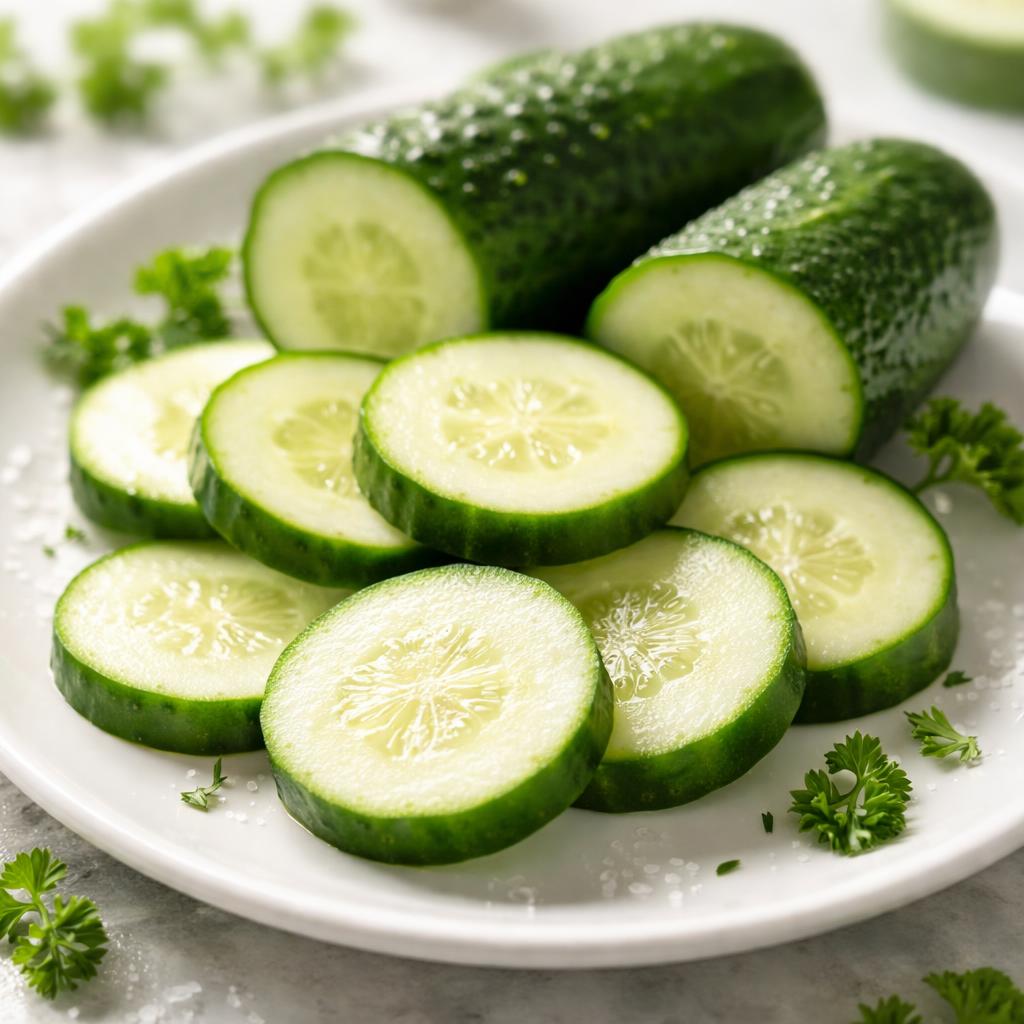
Cucumber
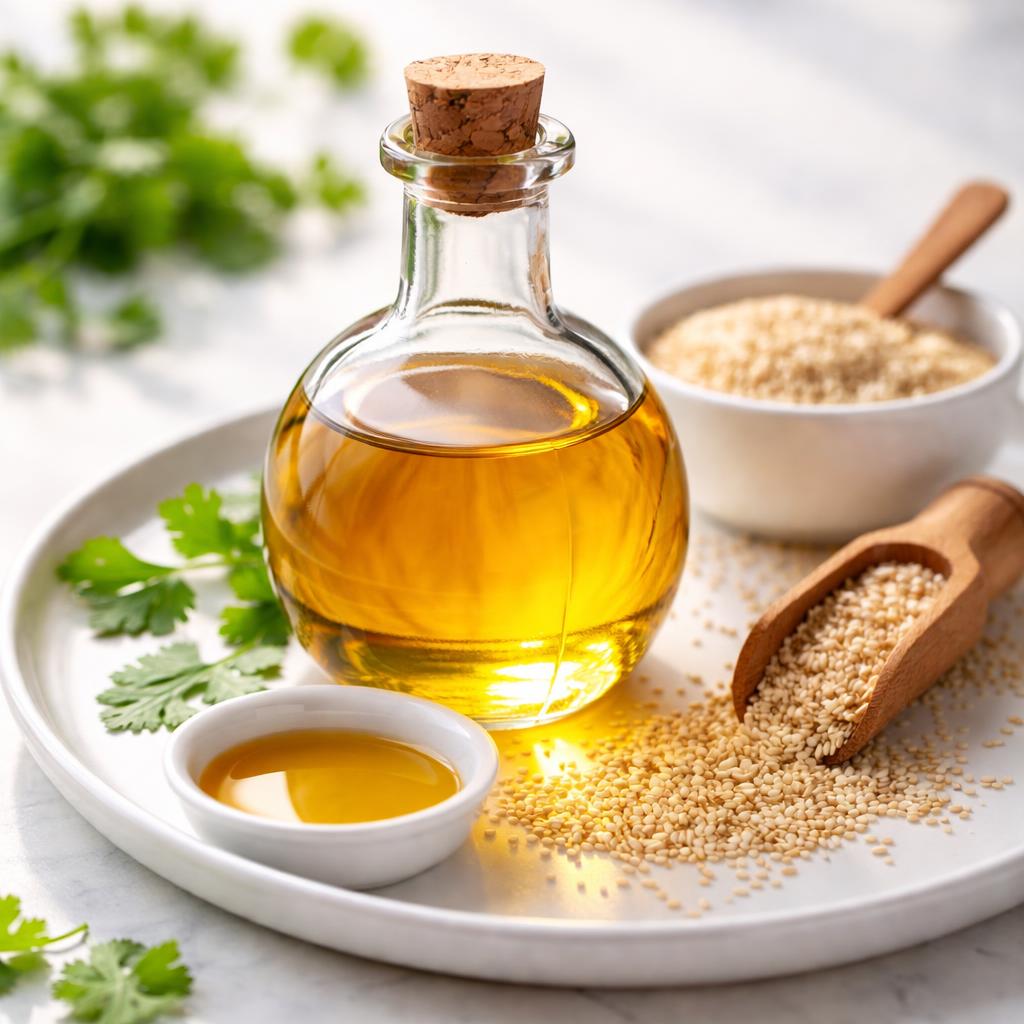
Sesame Oil
🎯 Quick Verdict
Cucumber and sesame oil provide different benefits and purposes in a diet. Cucumber is incredibly low in calories and offers hydration, fiber, and minimal protein, making it ideal for weight loss and refreshing snacks. Sesame oil delivers concentrated healthy fats and calories, along with vitamin E and antioxidants, making it perfect for adding richness to diets focused on heart health or calorie density.

Smart Nutrition Tracking with SnapCalorie

📊 Nutritional Comparison
Macronutrients
| Nutrient | Food 1 | Food 2 | Winner |
|---|---|---|---|
| Calories | 15 kcal (per 100g) | 884 kcal (per 100g) | − |
| Protein | 0.7g | 0g | − |
| Carbs | 3.6g | 0g | − |
| Fat | 0.1g | 100g | − |
| Fiber | 0.5g | 0g | − |
Vitamins & Minerals
| Nutrient | Food 1 | Food 2 | Winner |
|---|---|---|---|
| Vitamin C | 2.8mg | 0mg | − |
| Vitamin E | 0.03mg | 1.4mg | − |
| Vitamin K | 16.4mcg | 13.6mcg | − |
🏆 Category Winners
Protein
Cucumber contains 0.7g of protein, compared to none in sesame oil.
Fiber
Cucumber contains 0.5g of fiber, while sesame oil has none.
Calories
Cucumber is extremely low-calorie at 15 kcal per 100g compared to sesame oil's 884 kcal.
Vitamins
Cucumber is higher in water-soluble vitamins like C and K, while sesame oil is richer in fat-soluble vitamin E.
🥗 Diet Compatibility
Keto
Food 1: Compatible
Food 2: Compatible
Both foods are low in carbs; sesame oil is pure fat, while cucumber has minimal carbs.
Vegan
Food 1: Compatible
Food 2: Compatible
Both foods are plant-based.
Gluten Free
Food 1: Compatible
Food 2: Compatible
Neither food contains gluten.
Paleo
Food 1: Compatible
Food 2: Compatible
Both foods fit within paleo guidelines.
Low Carb
Food 1: Compatible
Food 2: Compatible
Both foods are low in carbohydrates.
💪 Health Benefits Comparison
Food 1 Benefits
- Hydrating with over 95% water content
- Low in calories, ideal for weight management
- Provides vitamin C and antioxidants for immune support
- Contains small amounts of fiber for digestive health
Food 2 Benefits
- Rich in unsaturated fats for heart health
- Contains vitamin E, an antioxidant for skin and cell protection
- Supports anti-inflammatory properties via polyphenols
- Adds calorie density for energy and meal satisfaction
✅ The Bottom Line
Cucumber is a refreshing, low-calorie, hydrating option perfect for snacks, weight loss, and light meals, while sesame oil adds a healthy fat source for cooking and flavor enhancement. Each has unique applications based on dietary goals.
Choose Food 1 for: Weight loss, hydration, refreshing snacks
Choose Food 2 for: Heart health, calorie density, cooking and flavor


