Cucumber VS Lettuce Salad
A detailed nutritional comparison
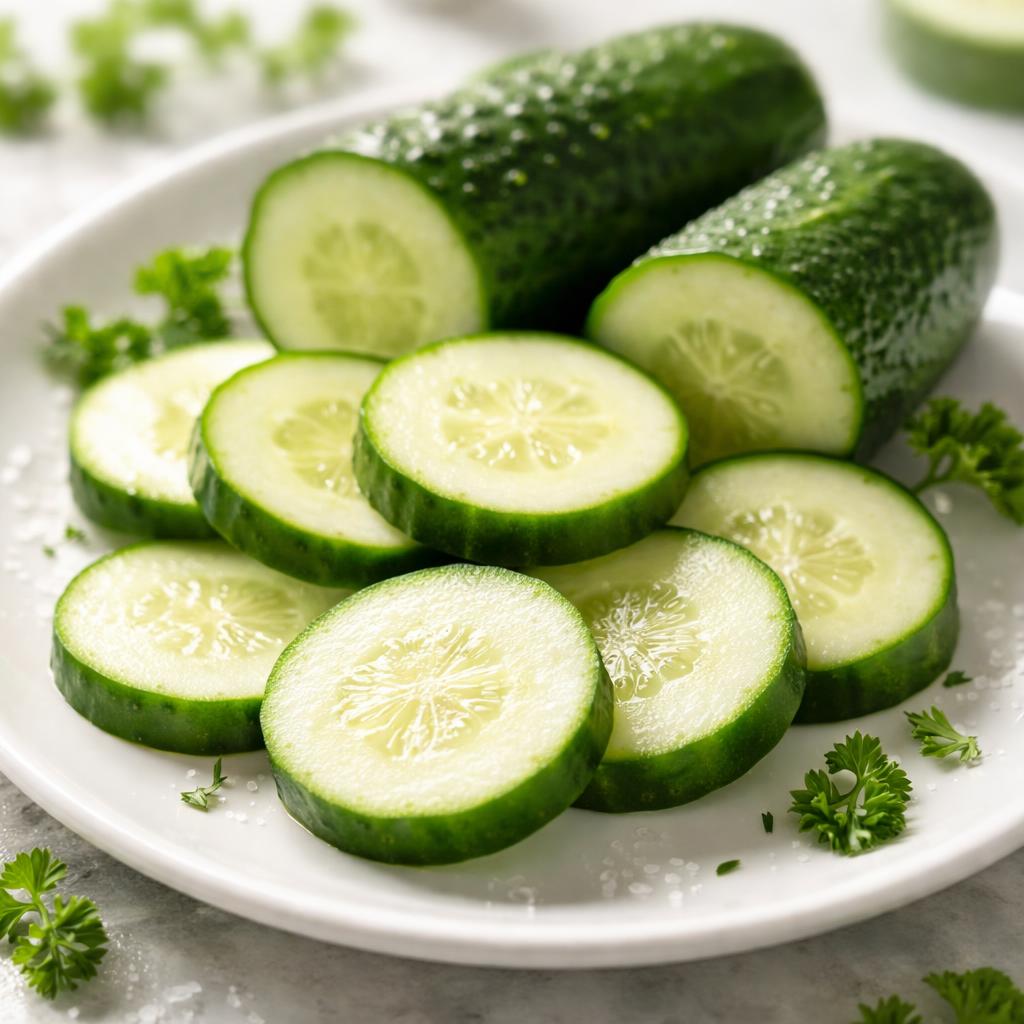
Cucumber
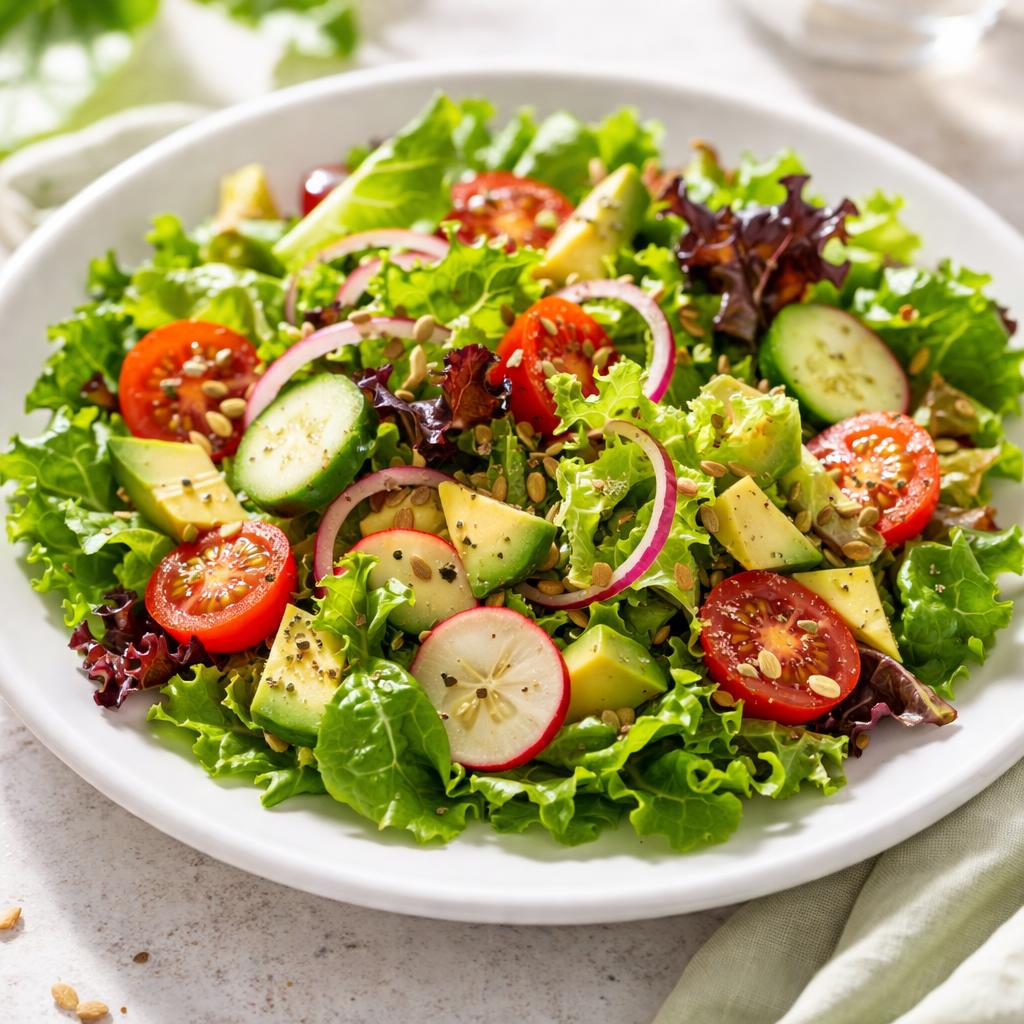
Lettuce Salad
🎯 Quick Verdict
Cucumber and lettuce salad both offer refreshing low-calorie options, but lettuce salad is nutritionally superior due to higher protein, fiber, and vitamin content. Cucumber excels in hydration and providing a crisp texture, making it ideal for snacks or hydration-focused diets, while lettuce salad works better as part of a nutritionally balanced meal.

Smart Nutrition Tracking with SnapCalorie

📊 Nutritional Comparison
Macronutrients
| Nutrient | Food 1 | Food 2 | Winner |
|---|---|---|---|
| Calories | 15 | 15 | − |
| Protein | 0.6g | 1g | − |
| Carbs | 3.6g | 2.9g | − |
| Fat | 0.1g | 0.2g | − |
| Fiber | 0.5g | 1.1g | − |
Vitamins & Minerals
| Nutrient | Food 1 | Food 2 | Winner |
|---|---|---|---|
| Vitamin A | 105IU | 7400IU | − |
| Vitamin C | 2.8mg | 9mg | − |
| Potassium | 150mg | 170mg | − |
| Iron | 0.3mg | 0.6mg | − |
🏆 Category Winners
Protein
Lettuce salad provides 66% more protein per serving compared to cucumber.
Fiber
Lettuce salad has more than double the fiber content of cucumber.
Calories
Both cucumber and lettuce salad are extremely low in calories with equal values.
Vitamins
Lettuce salad contains significantly more Vitamin A, Vitamin C, and iron compared to cucumber.
🥗 Diet Compatibility
Keto
Food 1: Compatible
Food 2: Compatible
Both foods are extremely low-carb and compatible with keto diets.
Vegan
Food 1: Compatible
Food 2: Compatible
Both cucumber and lettuce salad are plant-based and vegan-friendly.
Gluten Free
Food 1: Compatible
Food 2: Compatible
Neither cucumber nor lettuce salad contains gluten.
Paleo
Food 1: Compatible
Food 2: Compatible
Both fit within the guidelines of a paleo diet.
Low-Carb
Food 1: Compatible
Food 2: Compatible
Both are naturally low in carbohydrates, making them ideal for low-carb diets.
💪 Health Benefits Comparison
Food 1 Benefits
- Excellent hydration due to high water content
- Low-calorie snack option for weight management
- Contains small amounts of potassium for maintaining electrolyte balance
Food 2 Benefits
- Rich in Vitamin A for eye health
- Higher dietary fiber content for improved digestion
- Provides a good amount of Vitamin C for boosting immunity
✅ The Bottom Line
Choose cucumber for hydration and snacking, especially during hot weather or if you need a refreshing addition to your meals. Opt for lettuce salad when you desire a more nutrient-dense accompaniment to meals, especially for vitamins and fiber. Both are low-calorie and versatile options.
Choose Food 1 for: Hydrating snacks, low-calorie diets, weight management
Choose Food 2 for: Salads, nutrient-dense meal components, supporting eye and immune health


