Cucumber VS Lettuce
A detailed nutritional comparison
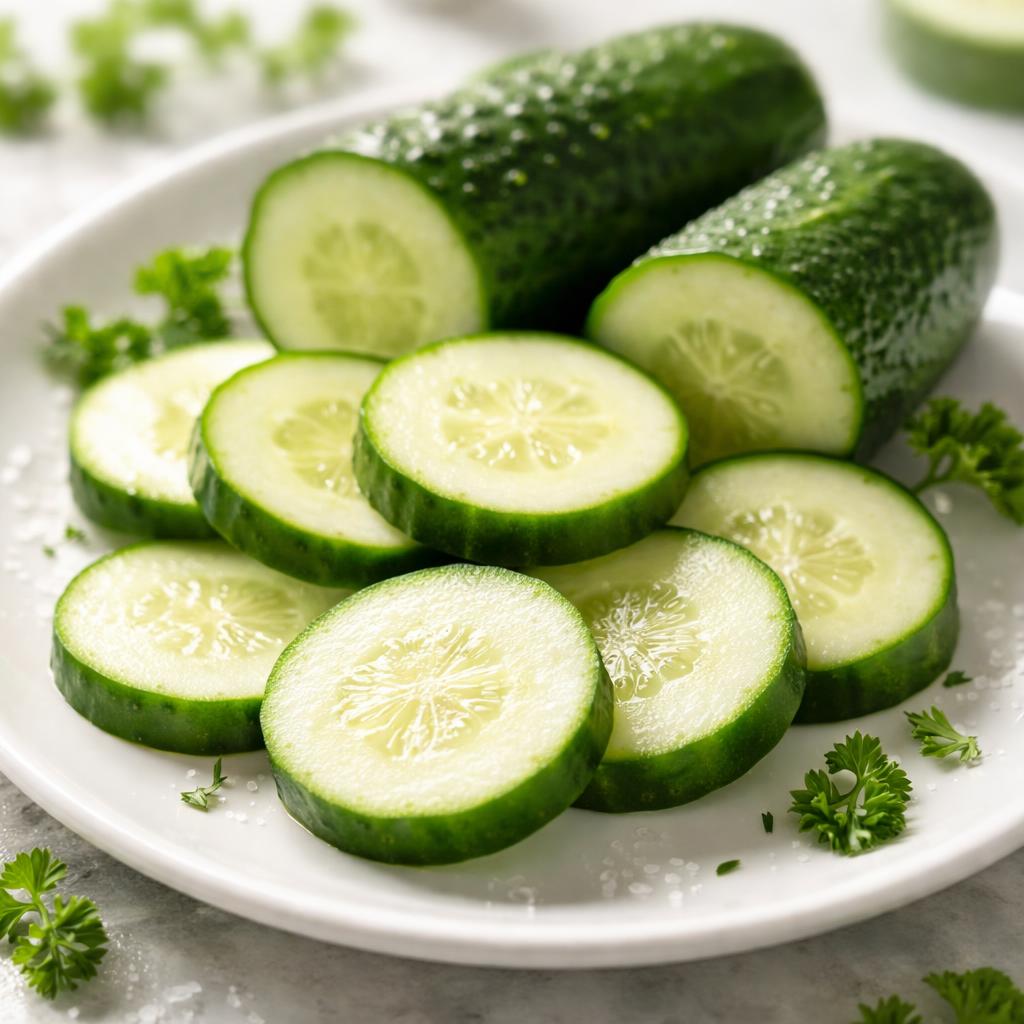
Cucumber
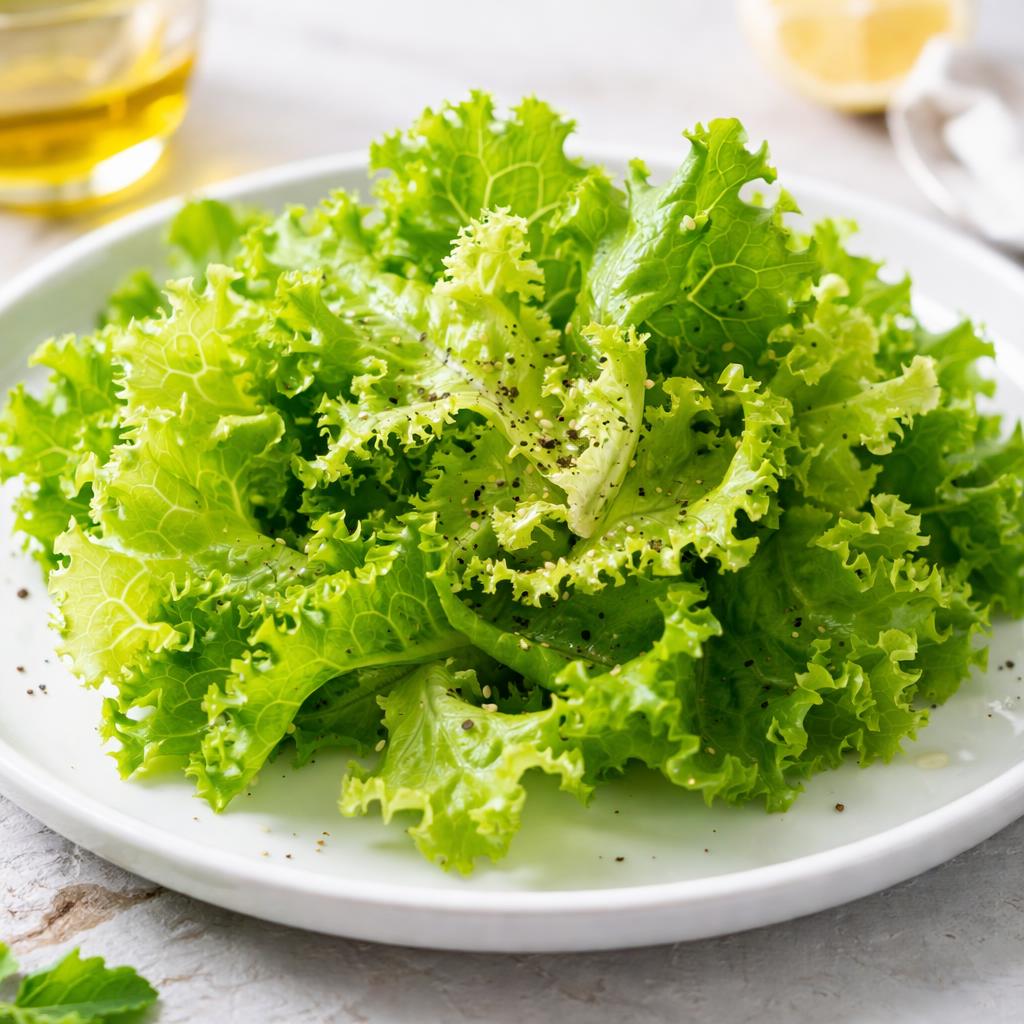
Lettuce
🎯 Quick Verdict
Lettuce provides slightly more fiber and vitamins compared to cucumber, making it more nutrient-dense overall. Cucumber is extremely hydrating and better for low-carb diets due to its lower carbohydrate content. Both are excellent low-calorie options, ideal for healthy snacking or salads.

Smart Nutrition Tracking with SnapCalorie

📊 Nutritional Comparison
Macronutrients
| Nutrient | Food 1 | Food 2 | Winner |
|---|---|---|---|
| Calories | 15 kcal | 15 kcal | − |
| Protein | 0.7g | 0.7g | − |
| Carbs | 3.6g | 2.9g | ✓ |
| Fat | 0.1g | 0.2g | ✓ |
| Fiber | 0.5g | 1.1g | ✓ |
Vitamins & Minerals
| Nutrient | Food 1 | Food 2 | Winner |
|---|---|---|---|
| Vitamin A | 105 IU | 1480 IU | ✓ |
| Vitamin C | 2.8mg | 9mg | ✓ |
| Vitamin K | 16.4mcg | 184mcg | ✓ |
| Calcium | 16mg | 33mg | ✓ |
| Iron | 0.3mg | 0.5mg | ✓ |
🏆 Category Winners
Protein
Both cucumber and lettuce provide the same protein content (0.7g per 100g).
Fiber
Lettuce offers over double the fiber content compared to cucumber (1.1g vs. 0.5g).
Calories
Both foods are equally low-calorie at 15 kcal per 100g.
Vitamins
Lettuce is richer in vitamins A, C, K, calcium, and iron compared to cucumber.
🥗 Diet Compatibility
Keto
Food 1: Compatible
Food 2: Compatible
Both are low-carb and suitable for a keto diet.
Vegan
Food 1: Compatible
Food 2: Compatible
Both are plant-based and vegan-friendly.
Gluten Free
Food 1: Compatible
Food 2: Compatible
Neither contain gluten, making them safe for gluten-free diets.
Paleo
Food 1: Compatible
Food 2: Compatible
Both align well with Paleo diet principles.
Low Carb
Food 1: Compatible
Food 2: Compatible
Both foods have very minimal carb content suitable for low-carb diets.
💪 Health Benefits Comparison
Food 1 Benefits
- Highly hydrating due to 96% water content.
- Low in calories, ideal for weight management.
- Contains antioxidants to promote skin health.
Food 2 Benefits
- Rich in Vitamin K for bone health.
- Good source of Vitamin C for immune support.
- Provides dietary fiber for improved digestion.
✅ The Bottom Line
Choose cucumber for hydration and low-carb diets, or lettuce for a nutrient-dense option with higher fiber and vitamin content. Both are excellent additions to a healthy diet, particularly for salads and snacks.
Choose Food 1 for: Hydration, weight management, low-carb diets
Choose Food 2 for: Higher fiber intake, nutrient density, bone health


