Cucumber VS Green Juice
A detailed nutritional comparison
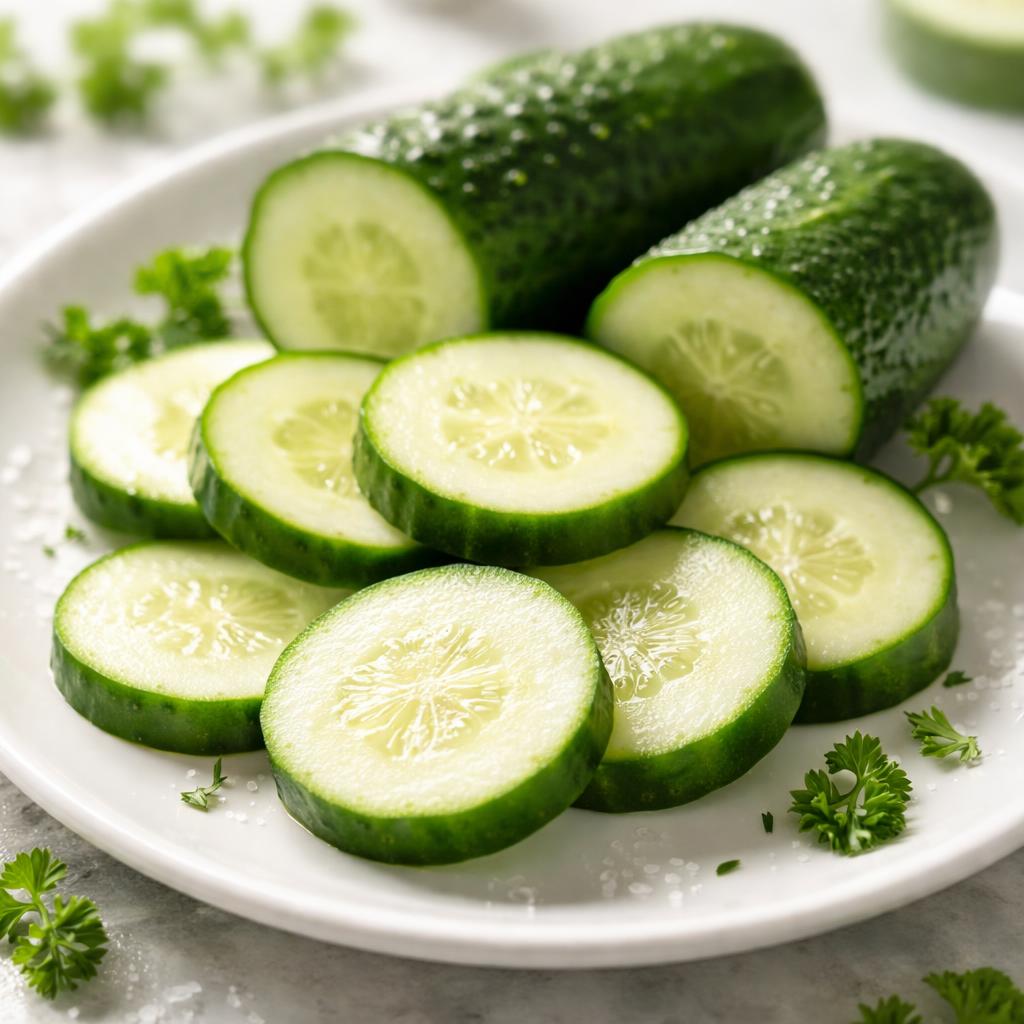
Cucumber
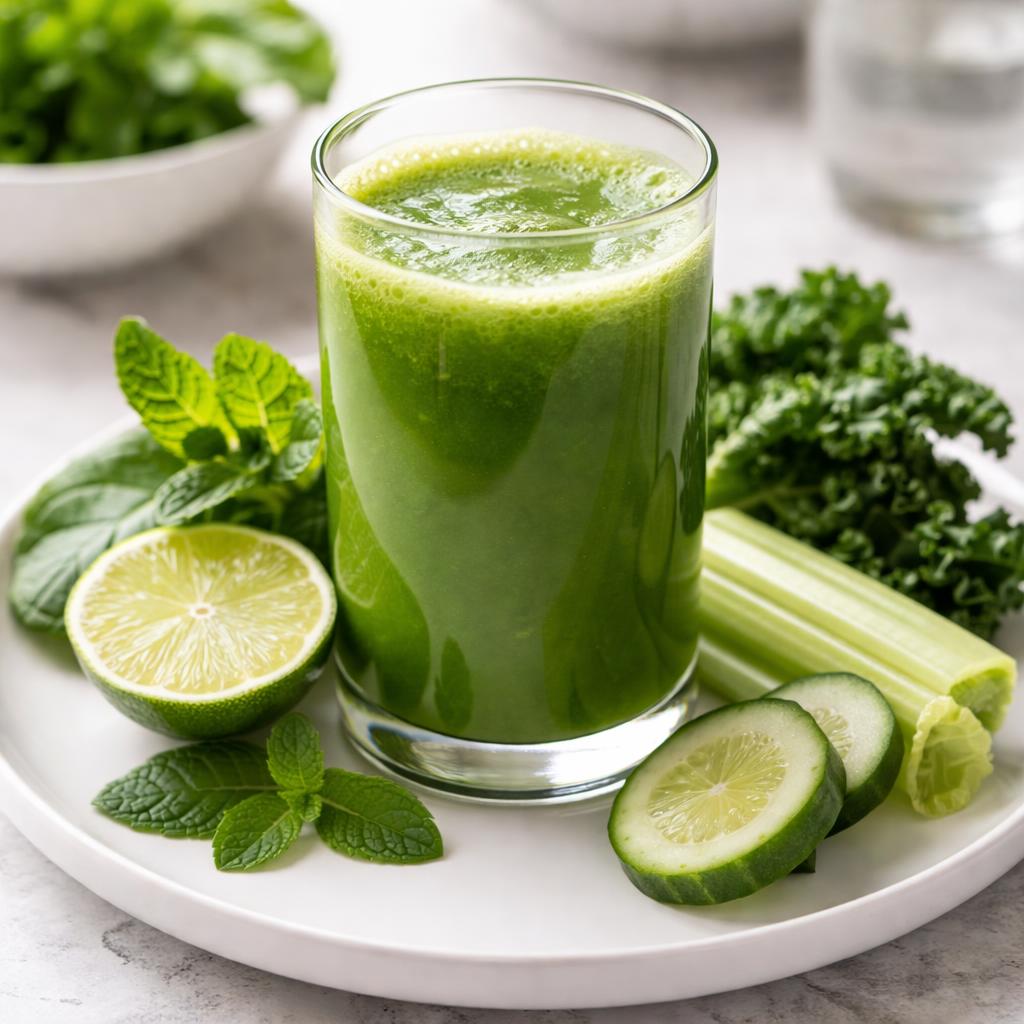
Green Juice
🎯 Quick Verdict
Cucumber is lower in calories, contains more fiber, and is ideal for hydration and light snacking. Green juice, while higher in calories, provides more protein and vitamins, making it a nutrient-packed option for energy and supplementation. Both are vegan, gluten-free, and compatible with various diet plans.

Smart Nutrition Tracking with SnapCalorie

📊 Nutritional Comparison
Macronutrients
| Nutrient | Food 1 | Food 2 | Winner |
|---|---|---|---|
| Calories | 15 per cup | 90 per cup | ✓ |
| Protein | 0.6g per cup | 2g per cup | ✓ |
| Carbs | 3.6g per cup | 20g per cup | ✓ |
| Fat | 0.1g per cup | 1g per cup | ✓ |
| Fiber | 0.5g per cup | 0.2g per cup | ✓ |
Vitamins & Minerals
| Nutrient | Food 1 | Food 2 | Winner |
|---|---|---|---|
| Vitamin C | 4mg per cup | 8mg per cup | ✓ |
| Vitamin K | 16mcg per cup | 60mcg per cup | ✓ |
| Potassium | 193mg per cup | 450mg per cup | ✓ |
🏆 Category Winners
Protein
Green juice has significantly higher protein content, with over 3 times more protein per serving.
Fiber
Cucumber has over double the fiber content compared to green juice.
Calories
Cucumber has dramatically fewer calories, making it ideal for calorie-conscious diets.
Vitamins
Green juice provides higher levels of vitamin C, vitamin K, and potassium.
🥗 Diet Compatibility
Keto
Food 1: Compatible
Food 2: Not Compatible
Cucumber is low-carb, while green juice has higher carb content.
Vegan
Food 1: Compatible
Food 2: Compatible
Both are plant-based and vegan-friendly.
Gluten Free
Food 1: Compatible
Food 2: Compatible
Neither contains gluten.
Paleo
Food 1: Compatible
Food 2: Compatible
Both fit the whole-food, Paleo philosophy.
Low-Carb
Food 1: Compatible
Food 2: Not Compatible
Cucumber is ideal for low-carb diets due to minimal carbohydrate content.
💪 Health Benefits Comparison
Food 1 Benefits
- Promotes hydration due to high water content
- Low-calorie option for weight management
- Supports digestion with fiber
Food 2 Benefits
- Rich in essential vitamins and electrolytes for overall health
- Provides antioxidants for cellular health
- Higher protein content supports muscle repair and energy
✅ The Bottom Line
Choose cucumber for a low-calorie snack or hydration boost, particularly on low-carb or keto diets. Opt for green juice as a nutrient-dense supplement to enhance vitamin intake or provide energy during busy days.
Choose Food 1 for: Low-calorie diets, hydration, light snacking
Choose Food 2 for: Nutritional supplementation, energy boost, post-workout recovery


