Cucumber VS Dressing
A detailed nutritional comparison
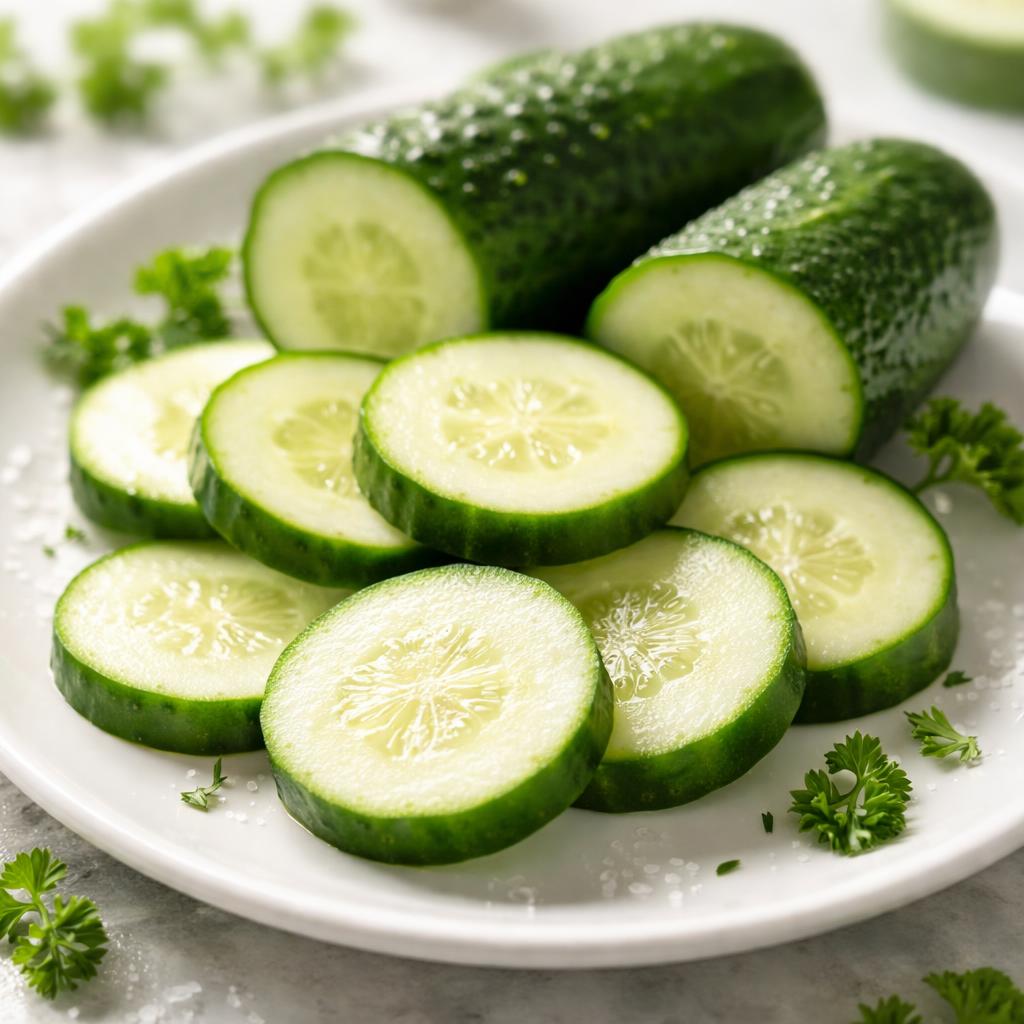
Cucumber
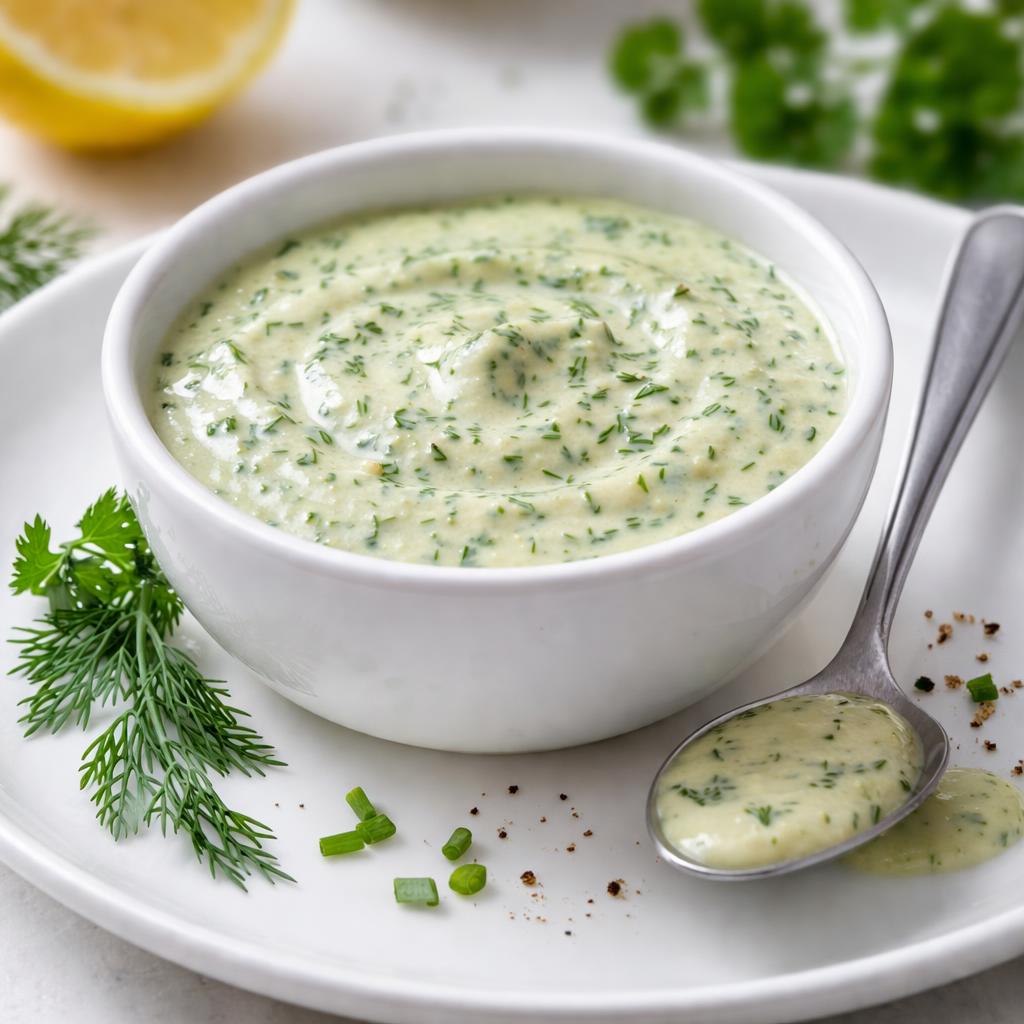
Dressing
🎯 Quick Verdict
Cucumber is a low-calorie, hydrating food rich in fiber and vitamins, while dressing is calorie-dense and known for fats and flavor enhancement. Cucumber is great for weight loss and hydration, whereas dressing adds taste and nutrients like healthy fats to salads and meals.

Smart Nutrition Tracking with SnapCalorie

📊 Nutritional Comparison
Macronutrients
| Nutrient | Food 1 | Food 2 | Winner |
|---|---|---|---|
| Calories | 16 | 120 | ✓ |
| Protein | 0.7g | 1g | ✓ |
| Carbs | 3.6g | 5g | ✓ |
| Fat | 0.1g | 10g | ✓ |
| Fiber | 1g | 0g | ✓ |
Vitamins & Minerals
| Nutrient | Food 1 | Food 2 | Winner |
|---|---|---|---|
| Vitamin C | 2.8mg | 0mg | ✓ |
| Vitamin K | 16.1mcg | 15mcg | ✓ |
| Potassium | 193mg | 20mg | ✓ |
🏆 Category Winners
Protein
Food2 has slightly more protein per serving, though both are low overall.
Fiber
Food1 contains 1g of fiber, while food2 has none.
Calories
Food1 has significantly fewer calories at just 16 per serving compared to food2's 120.
Vitamins
Cucumber is higher in vitamin C, vitamin K, and potassium compared to dressing.
🥗 Diet Compatibility
Keto
Food 1: Compatible
Food 2: Compatible
Both foods are low-carb and fit keto guidelines.
Vegan
Food 1: Compatible
Food 2: Depends
Cucumber is vegan, but dressing may contain animal-based products like dairy or eggs unless specifically vegan.
Gluten Free
Food 1: Compatible
Food 2: Depends
Cucumber is naturally gluten-free, while dressing may contain gluten unless labeled gluten-free.
Paleo
Food 1: Compatible
Food 2: Depends
Cucumbers fit Paleo standards, but dressing may not, depending on the specific ingredients (e.g., processed oils or sugars).
Low Carb
Food 1: Compatible
Food 2: Compatible
Both foods are low in carbohydrates and fit well into low-carb diets.
💪 Health Benefits Comparison
Food 1 Benefits
- Extremely hydrating, with high water content.
- Rich in fiber, aiding digestion.
- Provides vitamin C for immune support.
- Contains potassium for heart health and blood pressure regulation.
Food 2 Benefits
- Source of healthy fats (if based on olive oil or vegetable oils).
- Enhances flavor, promoting appetite satisfaction.
- May contain added vitamins like vitamin E or omega-3s in some varieties.
- Can be a concentrated dose of calories for energy needs.
✅ The Bottom Line
Choose cucumber for hydration, weight loss, and vitamin content, making it excellent for light snacks or salads. Use dressing to enhance flavor or add healthy fats to meals. Opt for avocado- or olive-oil-based dressings for heart health benefits.
Choose Food 1 for: Weight loss, low-calorie meals, hydration-focused diets
Choose Food 2 for: Flavor enhancement, high-calorie diets, healthy fat intake


