Cucumber VS Dip
A detailed nutritional comparison
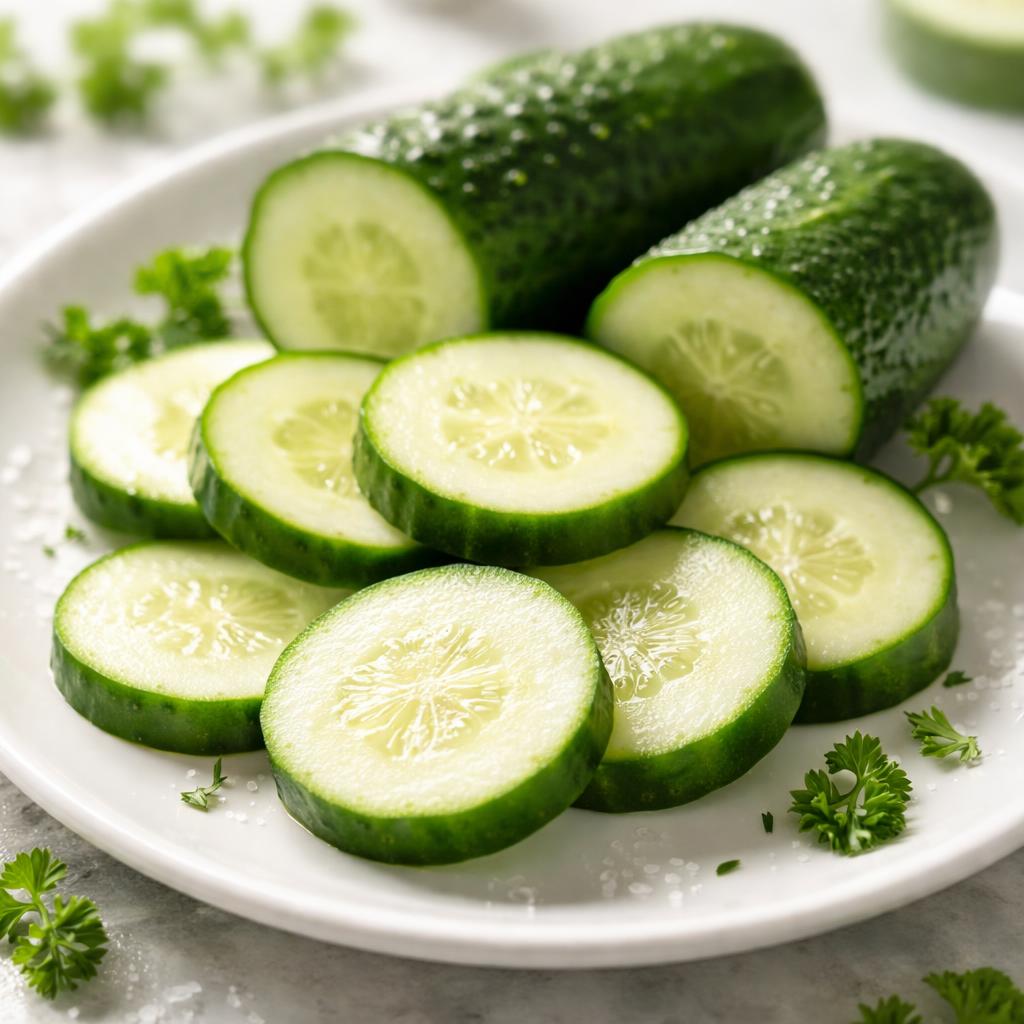
Cucumber
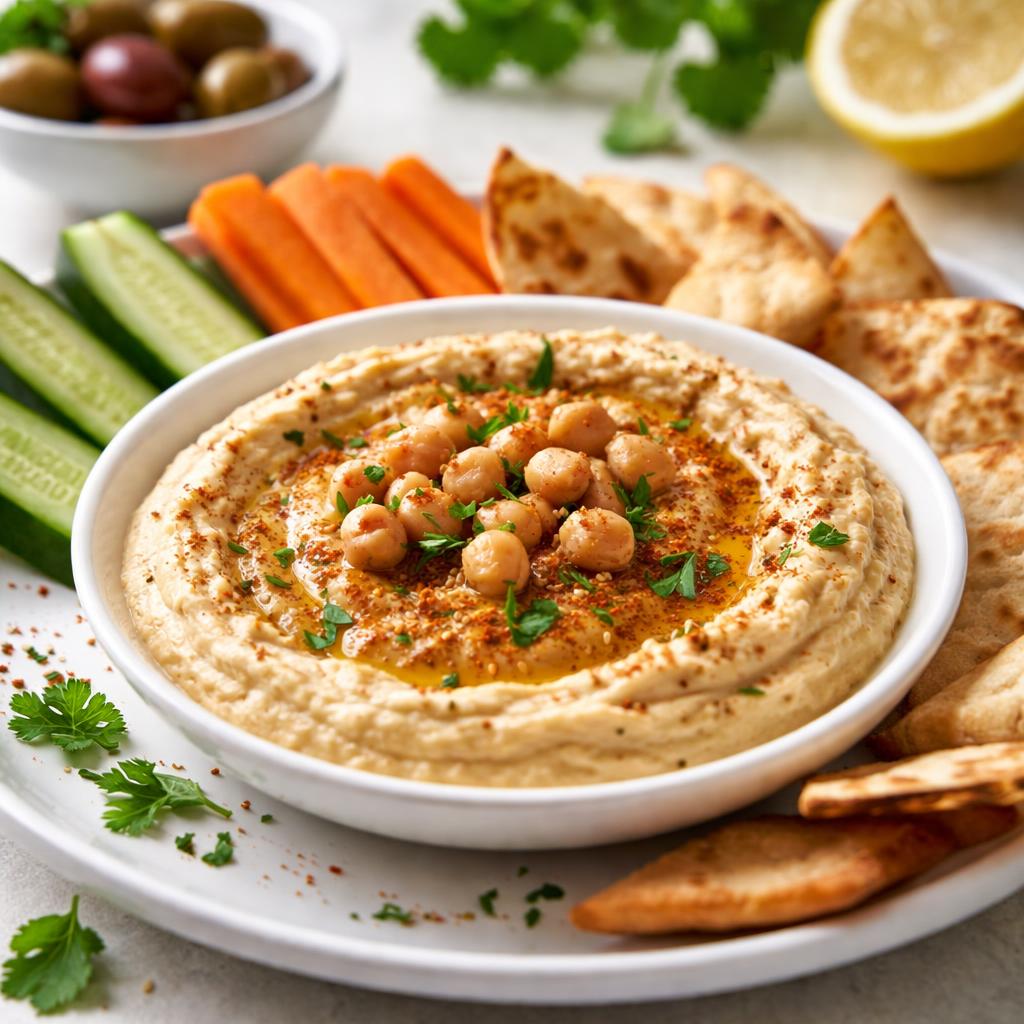
Dip
🎯 Quick Verdict
Cucumber (food1) is a very low-calorie, hydrating vegetable high in fiber and water content, while dip (food2) offers more protein and healthy fats but is much higher in calories. Choose cucumber for weight loss and hydration or dip for a protein boost and indulgence in moderation.

Smart Nutrition Tracking with SnapCalorie

📊 Nutritional Comparison
Macronutrients
| Nutrient | Food 1 | Food 2 | Winner |
|---|---|---|---|
| Calories | 16 (per 100g) | 250 (per 100g) | ✓ |
| Protein | 0.7g | 5g | ✓ |
| Carbs | 3.6g | 6g | ✓ |
| Fat | 0.1g | 22g | ✓ |
| Fiber | 0.5g | 0.2g | ✓ |
Vitamins & Minerals
| Nutrient | Food 1 | Food 2 | Winner |
|---|---|---|---|
| Vitamin C | 2.8mg | 0.5mg | ✓ |
| Calcium | 16mg | 50mg | ✓ |
| Iron | 0.3mg | 0.7mg | ✓ |
| Vitamin A | 105IU | 120IU | ✓ |
🏆 Category Winners
Protein
Dip contains over 7x more protein than cucumber.
Fiber
Cucumber provides more than double the fiber content of dip.
Calories
Cucumber is much lower in calories, with only 16 per 100g compared to 250 in dip.
🥗 Diet Compatibility
Keto
Food 1: Compatible
Food 2: Compatible
Both foods are low in carbs but differ drastically in calorie content.
Vegan
Food 1: Compatible
Food 2: Depends on Ingredients
Cucumber is always vegan, but dip may contain dairy.
Gluten Free
Food 1: Compatible
Food 2: Depends on Ingredients
Cucumber is naturally gluten-free; check labels for dip.
Paleo
Food 1: Compatible
Food 2: Depends on Ingredients
Cucumber fits a paleo diet; dip may not due to additives.
Low-Carb
Food 1: Compatible
Food 2: Compatible
Both foods are low-carb but watch portion sizes for dip due to high calorie and fat content.
💪 Health Benefits Comparison
Food 1 Benefits
- Very low calorie, suitable for weight loss
- High water content for hydration
- Good source of vitamin C for immune support
- Contains antioxidants for cellular health
Food 2 Benefits
- Higher in protein for muscle support
- Often a source of healthy fats depending on ingredients
- Good source of calcium for bone health
- Provides energizing calories for active lifestyles
✅ The Bottom Line
Cucumber is ideal for weight loss, hydration, or as a low-calorie snack. Dip is better suited as a complementary protein source or calorically-dense indulgence. Pairing both can create a balanced snack when mindful of dip portion sizes.
Choose Food 1 for: Weight loss, hydration, low-calorie snacks
Choose Food 2 for: Protein boost, indulgent snacks, energy-dense diets


