Cucumber VS Chili
A detailed nutritional comparison
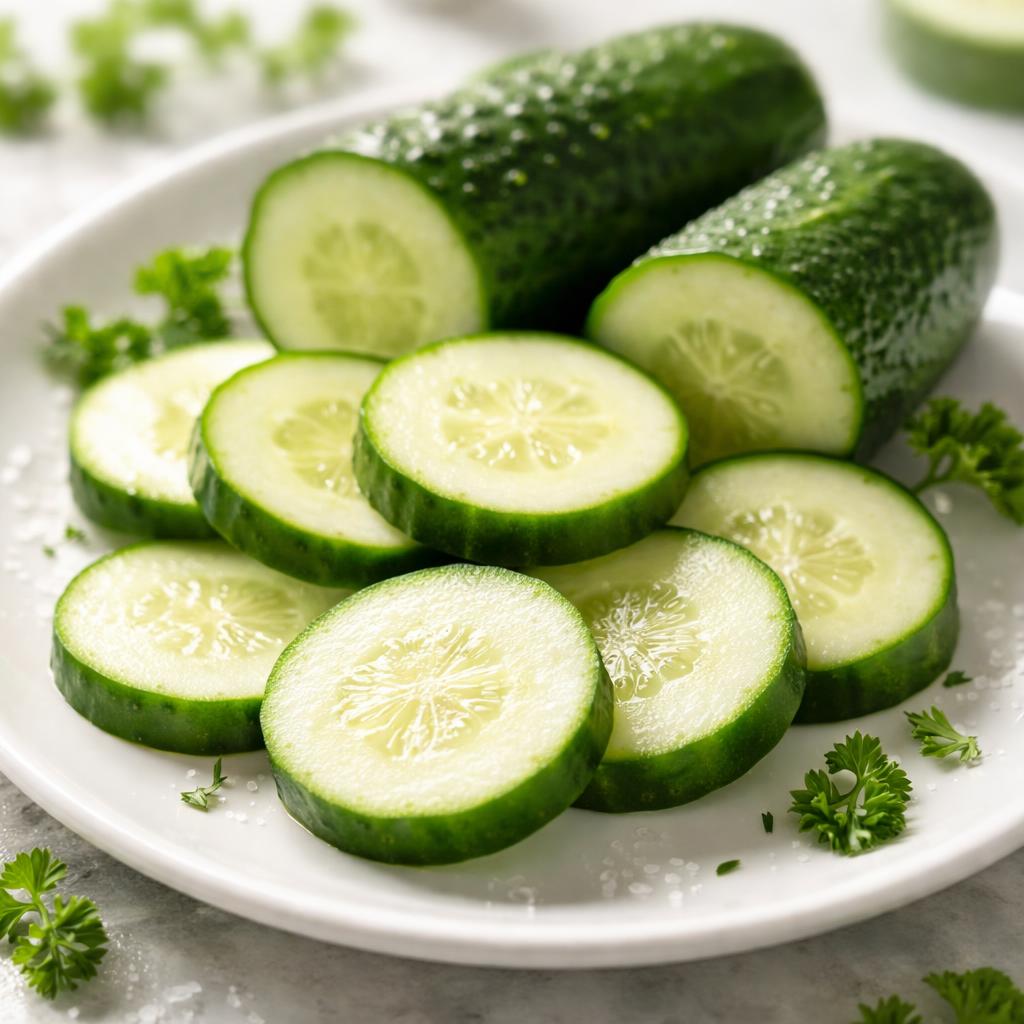
Cucumber
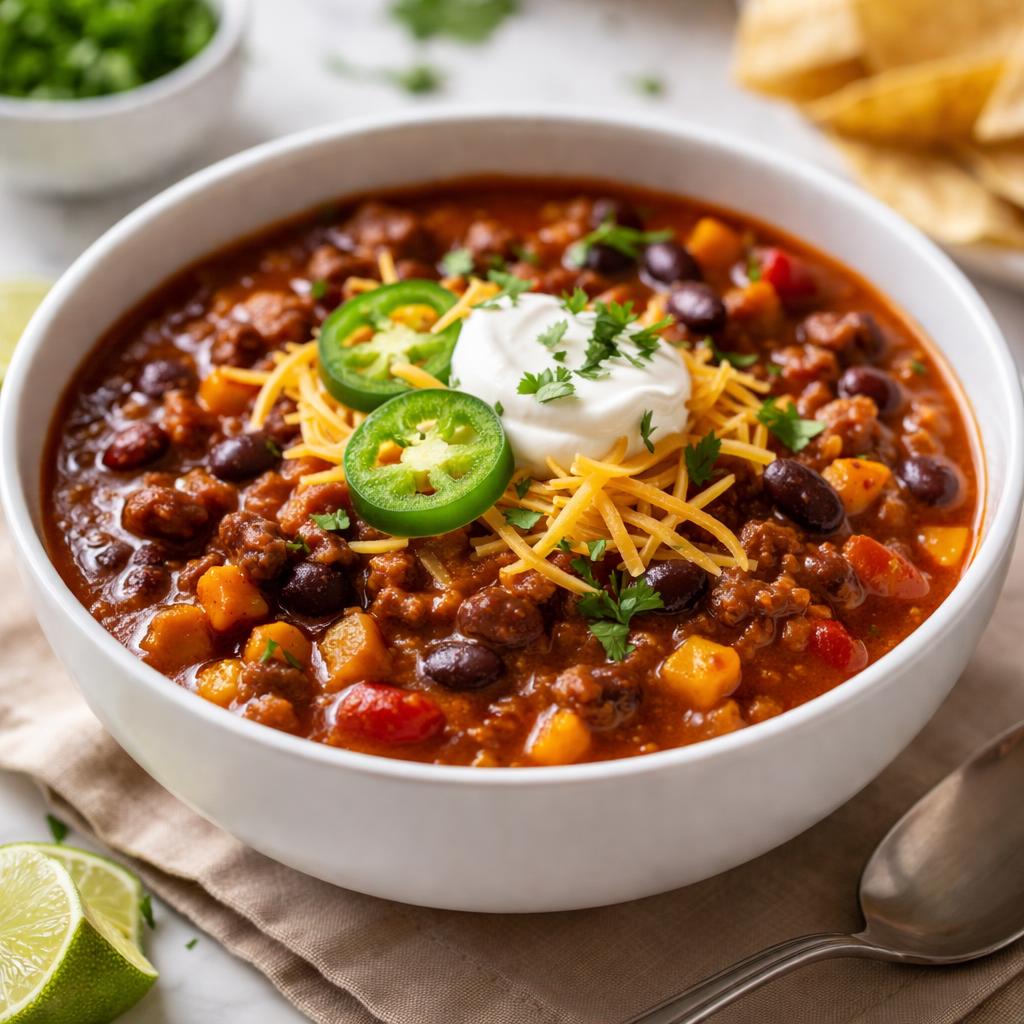
Chili
🎯 Quick Verdict
Cucumbers are very low-calorie and hydrating, ideal for weight loss and hydration, while chili peppers offer more fiber, antioxidants, and beneficial compounds like capsaicin. Both foods are nutrient-dense and compatible with several diets, but their use cases differ significantly based on their nutritional profiles.

Smart Nutrition Tracking with SnapCalorie

📊 Nutritional Comparison
Macronutrients
| Nutrient | Food 1 | Food 2 | Winner |
|---|---|---|---|
| Calories | 15 | 40 | ✓ |
| Protein | 0.6g | 1g | − |
| Carbs | 3.6g | 9g | ✓ |
| Fat | 0.1g | 0.4g | ✓ |
| Fiber | 0.5g | 1.5g | ✓ |
Vitamins & Minerals
| Nutrient | Food 1 | Food 2 | Winner |
|---|---|---|---|
| Vitamin C | 2.8mg | 143.7mg | ✓ |
| Vitamin A | 76IU | 1090IU | ✓ |
| Potassium | 150mg | 322mg | ✓ |
🏆 Category Winners
Protein
Both cucumbers and chili peppers have similar low protein levels.
Fiber
Chili peppers provide 300% more fiber per serving.
Calories
Cucumbers have almost 60% fewer calories per serving.
Vitamins
Chili peppers are much richer in vitamin C, vitamin A, and potassium.
🥗 Diet Compatibility
Keto
Food 1: Compatible
Food 2: Compatible
Both are low-carb and align with keto diets.
Vegan
Food 1: Compatible
Food 2: Compatible
Both are plant-based foods.
Gluten Free
Food 1: Compatible
Food 2: Compatible
Neither contains gluten.
Paleo
Food 1: Compatible
Food 2: Compatible
Both are natural, whole foods suitable for paleo diets.
Low-Carb
Food 1: Compatible
Food 2: Compatible
Each food has relatively low net carbs, making them low-carb options.
💪 Health Benefits Comparison
Food 1 Benefits
- Extremely low-calorie for weight management.
- Hydrating due to high water content (~95%).
- Contains small amounts of antioxidants.
Food 2 Benefits
- Rich in vitamin C and A, boosting immunity.
- Capsaicin content may support metabolism and pain relief.
- Contains fiber and antioxidants for heart health.
✅ The Bottom Line
Choose cucumbers for hydration and calorie-conscious diets. Opt for chili peppers to boost antioxidant intake and add flavor or spice to meals. Both are versatile but excel in different dietary roles.
Choose Food 1 for: Hydration, weight loss, refreshing snacks
Choose Food 2 for: Immune health, metabolism support, flavorful recipes


