Cucumber VS Celery
A detailed nutritional comparison
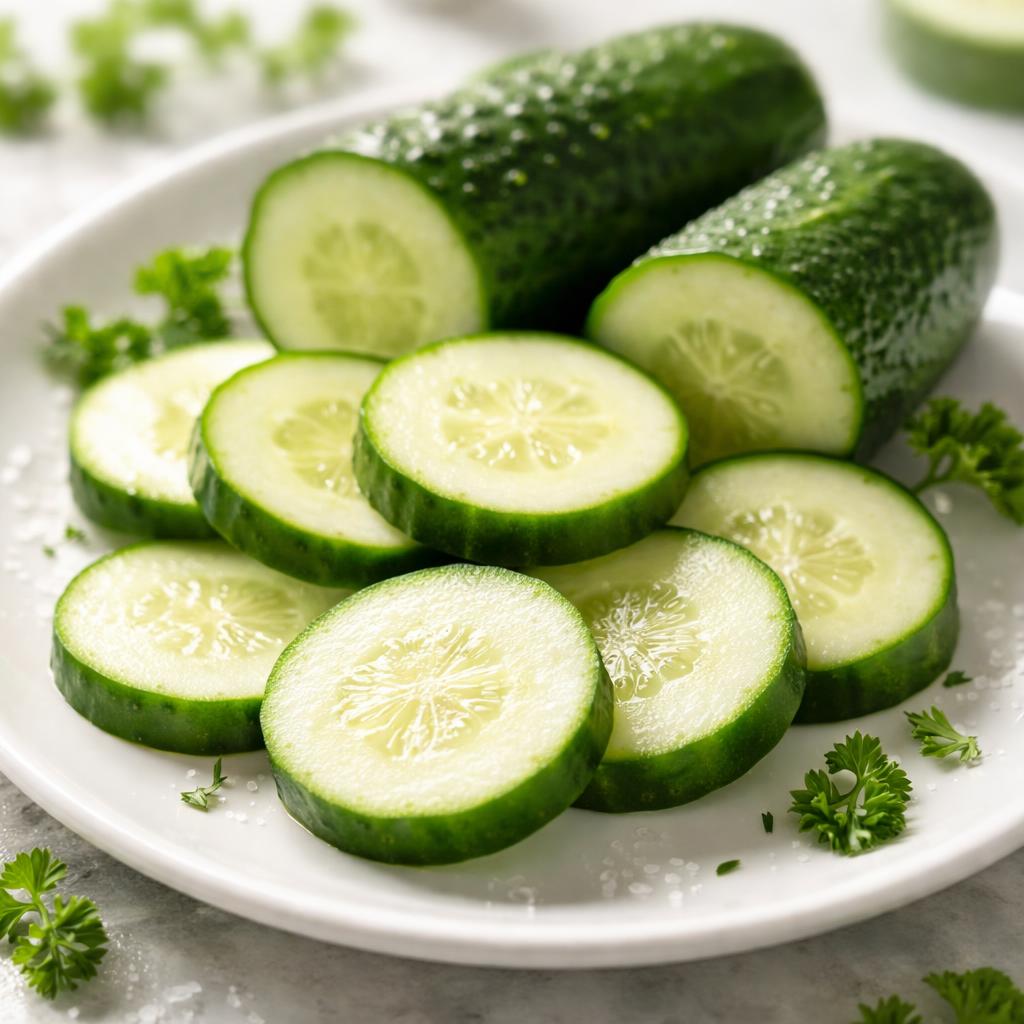
Cucumber
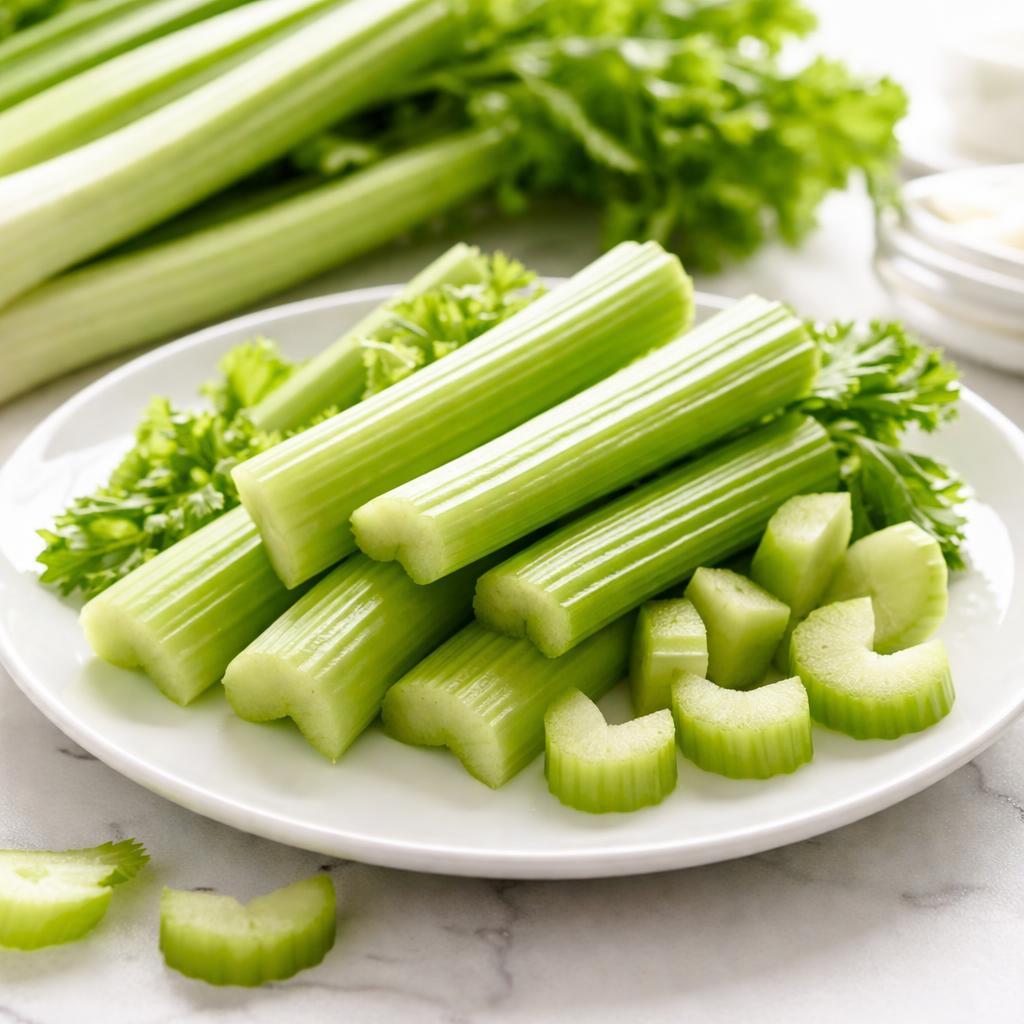
Celery
🎯 Quick Verdict
Cucumber and celery are both low-calorie, hydrating vegetables ideal for weight loss and health-conscious diets. However, celery edges out with slightly higher fiber and protein content, making it better for digestion and satiety. Cucumber stands out for its crisp texture and refreshing qualities, perfect for hydration and lighter snacks.

Smart Nutrition Tracking with SnapCalorie

📊 Nutritional Comparison
Macronutrients
| Nutrient | Food 1 | Food 2 | Winner |
|---|---|---|---|
| Calories | 15 (per 100g) | 16 (per 100g) | − |
| Protein | 0.7g (per 100g) | 0.8g (per 100g) | − |
| Carbs | 3.6g (per 100g) | 3g (per 100g) | − |
| Fat | 0.1g (per 100g) | 0.2g (per 100g) | − |
| Fiber | 0.5g (per 100g) | 1.6g (per 100g) | − |
Vitamins & Minerals
| Nutrient | Food 1 | Food 2 | Winner |
|---|---|---|---|
| Vitamin C | 3.1mg | 3.2mg | − |
| Potassium | 147mg | 260mg | − |
| Vitamin K | 16.4mcg | 29.3mcg | − |
🏆 Category Winners
Protein
Celery contains 14% more protein per serving than cucumber.
Fiber
Celery contains over 3x more fiber (1.6g vs 0.5g).
Calories
Both foods are extremely low in calories, making them comparable.
🥗 Diet Compatibility
Keto
Food 1: Compatible
Food 2: Compatible
Both vegetables are very low in carbs.
Vegan
Food 1: Compatible
Food 2: Compatible
Both foods are plant-based and vegan-friendly.
Gluten Free
Food 1: Compatible
Food 2: Compatible
Neither food contains gluten.
Paleo
Food 1: Compatible
Food 2: Compatible
Both are paleo-friendly and unprocessed foods.
Low-Carb
Food 1: Compatible
Food 2: Compatible
Both foods are excellent low-carb options.
💪 Health Benefits Comparison
Food 1 Benefits
- Extremely hydrating due to its high water content (95%).
- Low calorie, making it ideal for weight management.
- Contains small amounts of vitamin C, promoting skin health.
Food 2 Benefits
- Rich in fiber for improved digestion.
- Contains potassium, supporting healthy blood pressure.
- Provides more vitamin K, which helps maintain bone health.
✅ The Bottom Line
Choose cucumber for hydration and ultra-light snacks, particularly during summer or if calorie counting is your main goal. Opt for celery when you need a crunchier option with slightly more fiber and nutrient density. Both are versatile and great additions to healthy diets.
Choose Food 1 for: Hydration, weight loss snacks, light recipes
Choose Food 2 for: Improved digestion, blood pressure support, nutrient-rich snacks


