Crispbread VS Sweet Potato Noodles
A detailed nutritional comparison
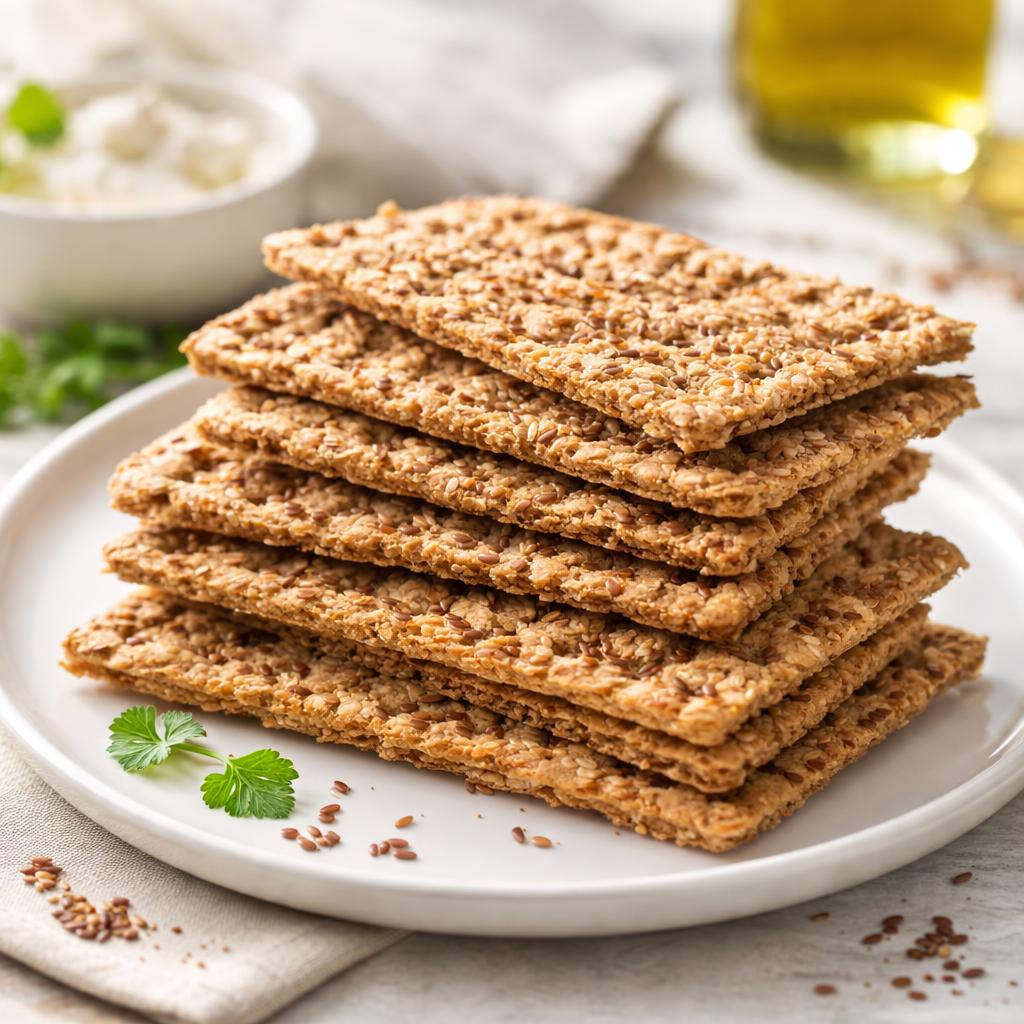
Crispbread
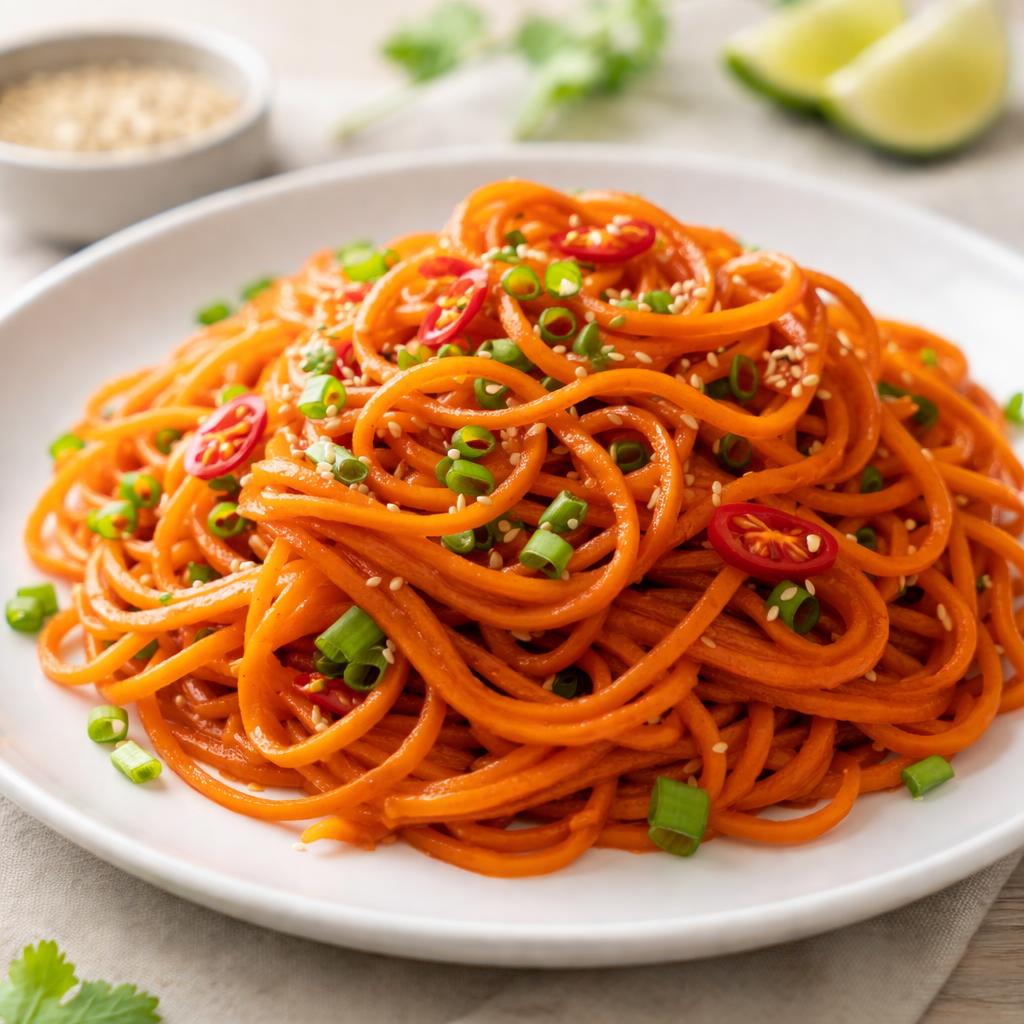
Sweet Potato Noodles
🎯 Quick Verdict
Crispbread is a high-protein, lower-calorie option that works great for weight management or as a quick snack. Sweet potato noodles, on the other hand, are fiber-rich and nutrient-dense, making them ideal for sustained energy and heart health. Both are compatible with various diets but serve different nutritional purposes.

Smart Nutrition Tracking with SnapCalorie

📊 Nutritional Comparison
Macronutrients
| Nutrient | Food 1 | Food 2 | Winner |
|---|---|---|---|
| Calories | 35 per slice | 115 per cup | ✓ |
| Protein | 2g per slice | 1g per cup | ✓ |
| Carbs | 6g per slice | 27g per cup | ✓ |
| Fat | 0.5g per slice | 0g per cup | ✓ |
| Fiber | 1g per slice | 4g per cup | ✓ |
Vitamins & Minerals
| Nutrient | Food 1 | Food 2 | Winner |
|---|---|---|---|
| Vitamin A | 0IU | 10,000IU per cup | ✓ |
| Vitamin C | 0mg | 20mg per cup | ✓ |
| Calcium | 10mg per slice | 30mg per cup | ✓ |
| Iron | 0.3mg per slice | 0.8mg per cup | ✓ |
🏆 Category Winners
Protein
Crispbread provides double the protein per serving compared to sweet potato noodles.
Fiber
Sweet potato noodles are much higher in fiber, making them better for digestion.
Calories
Crispbread contains significantly fewer calories, ideal for portion control.
Vitamins
Sweet potato noodles are rich in Vitamin A, Vitamin C, and additional minerals like calcium and iron.
🥗 Diet Compatibility
Keto
Food 1: Not Compatible
Food 2: Not Compatible
Both foods are relatively high in carbs, exceeding typical keto guidelines.
Vegan
Food 1: Compatible
Food 2: Compatible
Neither food contains animal products.
Gluten Free
Food 1: Depends on brand
Food 2: Compatible
Sweet potato noodles are naturally gluten-free, while crispbread may vary by brand and recipe.
Paleo
Food 1: Not Compatible
Food 2: Compatible
Sweet potato noodles meet paleo standards, but crispbread is usually made with grains.
Low-Carb
Food 1: Compatible
Food 2: Not Compatible
Crispbread is lower in carbs (6g per slice) compared to sweet potato noodles (27g per cup).
💪 Health Benefits Comparison
Food 1 Benefits
- Low-calorie option for weight management
- Good source of simple protein for metabolism
- Crunchy texture supports satiety
Food 2 Benefits
- Rich in Vitamin A for eye and skin health
- High in fiber for digestive support
- Provides antioxidants for cell protection
- Supports heart health through potassium content
✅ The Bottom Line
Choose crispbread for weight loss, lower-carb snacking, or as a quick protein boost. Opt for sweet potato noodles if you want a nutrient-dense, fiber-rich meal with sustained energy and added vitamins. Both foods complement different dietary needs and health goals.
Choose Food 1 for: Weight loss, low-carb diets, quick snacks
Choose Food 2 for: Heart health, high-fiber meals, vitamin-rich diets


