Crispbread VS Bread With Peanut Butter
A detailed nutritional comparison
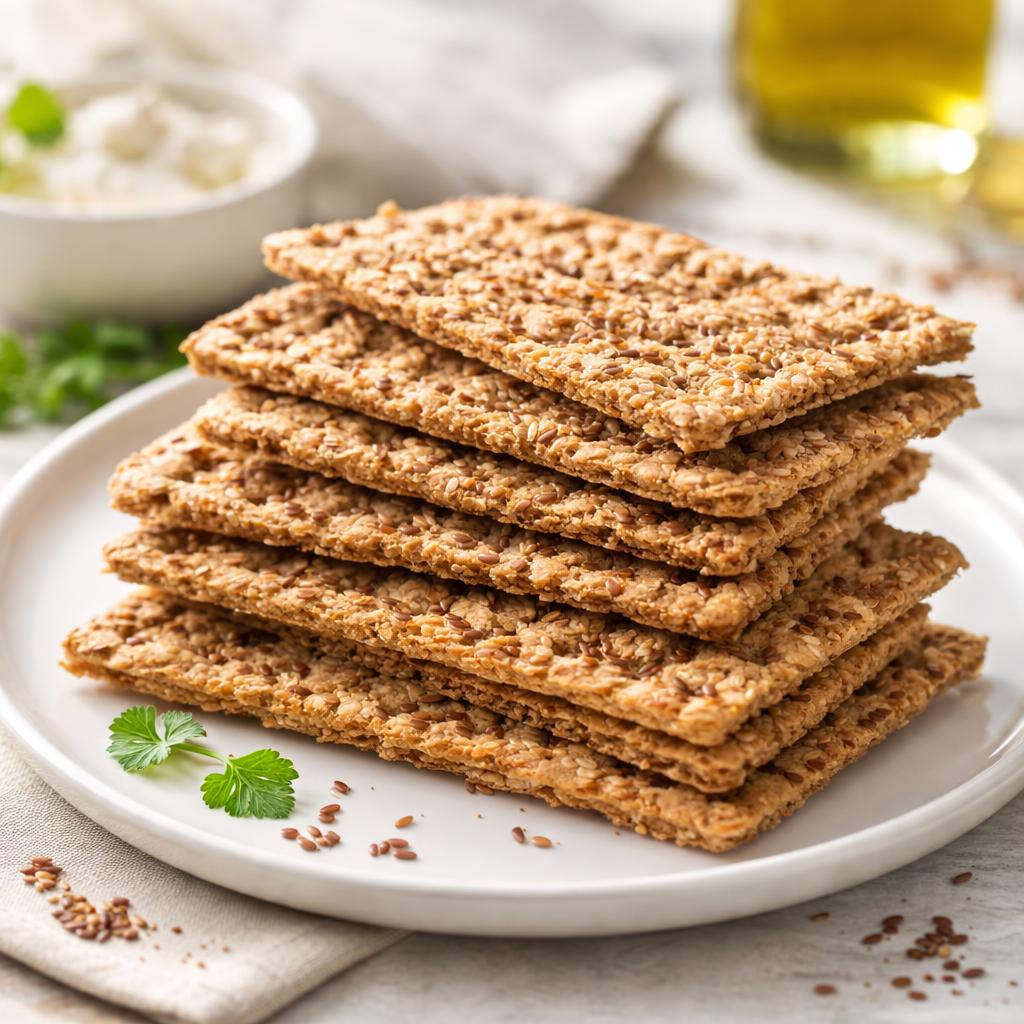
Crispbread
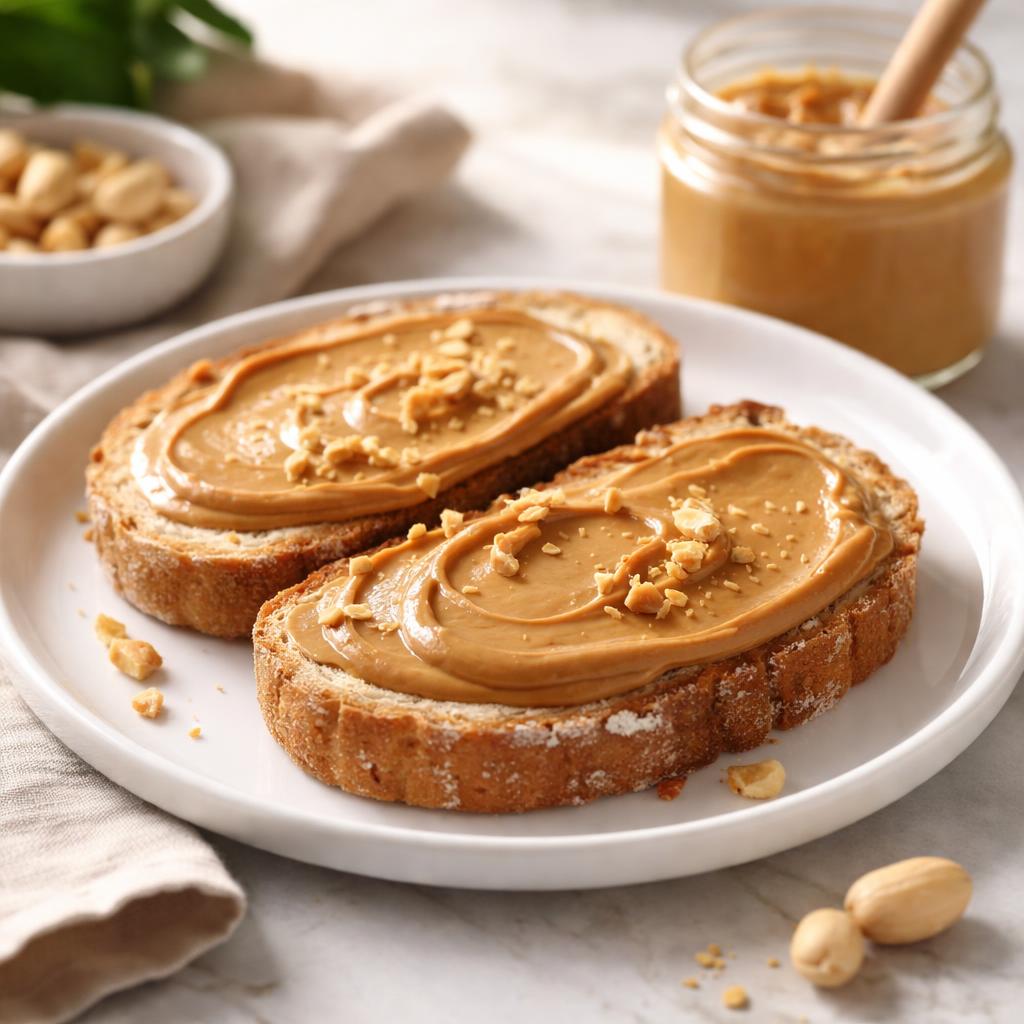
Bread With Peanut Butter
🎯 Quick Verdict
Bread with peanut butter (food2) provides more protein, fiber, and healthy fats, making it a more nutrient-dense option. Crispbread (food1) is lower in calories and carbs, ideal for weight loss diets or as a light snack. Choose based on your dietary goals and use cases: food1 for calorie control and food2 for energy and nutrition density.

Smart Nutrition Tracking with SnapCalorie

📊 Nutritional Comparison
Macronutrients
| Nutrient | Food 1 | Food 2 | Winner |
|---|---|---|---|
| Calories | 35 (per slice) | 200 (per slice with peanut butter) | ✓ |
| Protein | 1g | 8g | ✓ |
| Carbs | 6g | 15g | ✓ |
| Fat | 0.5g | 12g | ✓ |
| Fiber | 1g | 3g | ✓ |
Vitamins & Minerals
| Nutrient | Food 1 | Food 2 | Winner |
|---|---|---|---|
| Vitamin D | 0mcg | 0.5mcg | ✓ |
| Calcium | 10mg | 15mg | ✓ |
| Iron | 0.3mg | 0.8mg | ✓ |
🏆 Category Winners
Protein
Bread with peanut butter contains 8x more protein per serving than crispbread.
Fiber
Bread with peanut butter has 3x more fiber than crispbread.
Calories
Crispbread is significantly lower in calories, ideal for weight-conscious diets.
🥗 Diet Compatibility
Keto
Food 1: Not Compatible
Food 2: Not Compatible
Both contain too many carbs for a ketogenic diet.
Vegan
Food 1: Compatible
Food 2: Compatible (with plant-based peanut butter)
Both foods can be made vegan.
Gluten Free
Food 1: Not Compatible
Food 2: Not Compatible
Both foods typically contain gluten unless specified gluten-free versions are used.
Paleo
Food 1: Not Compatible
Food 2: Not Compatible
Grains and peanut butter are not allowed on strict paleo diets.
Low-Carb
Food 1: Compatible
Food 2: Not Compatible
Food1 has fewer carbs and fits better into low-carb diets.
💪 Health Benefits Comparison
Food 1 Benefits
- Low in calories, suitable for weight loss
- Provides moderate fiber for digestion
- Light snack with minimal ingredients, suitable for simple diets
Food 2 Benefits
- Rich in protein for muscle maintenance and repair
- Contains healthy fats for heart and brain health
- Provides more energy due to complex carbs and fats
- Contains essential minerals like calcium and iron
✅ The Bottom Line
Choose crispbread (food1) for weight control, light snacking, or low-carb diets. Opt for bread with peanut butter (food2) when seeking higher protein and energy or nutrient density for a post-workout snack or balanced meal addition.
Choose Food 1 for: Weight loss, light snack, low-carb diets
Choose Food 2 for: High-protein diets, sustained energy, post-workout nutrition


