Couscous VS Wheat Roti
A detailed nutritional comparison
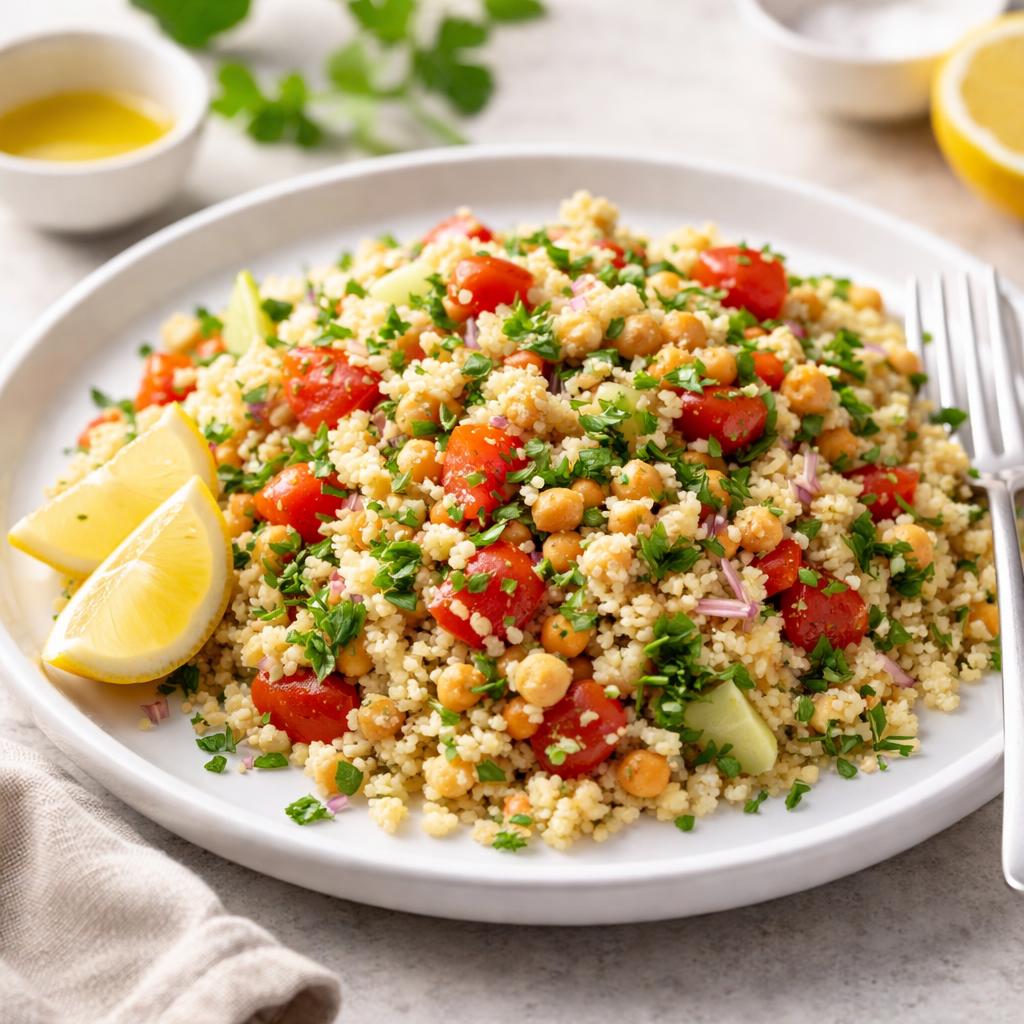
Couscous
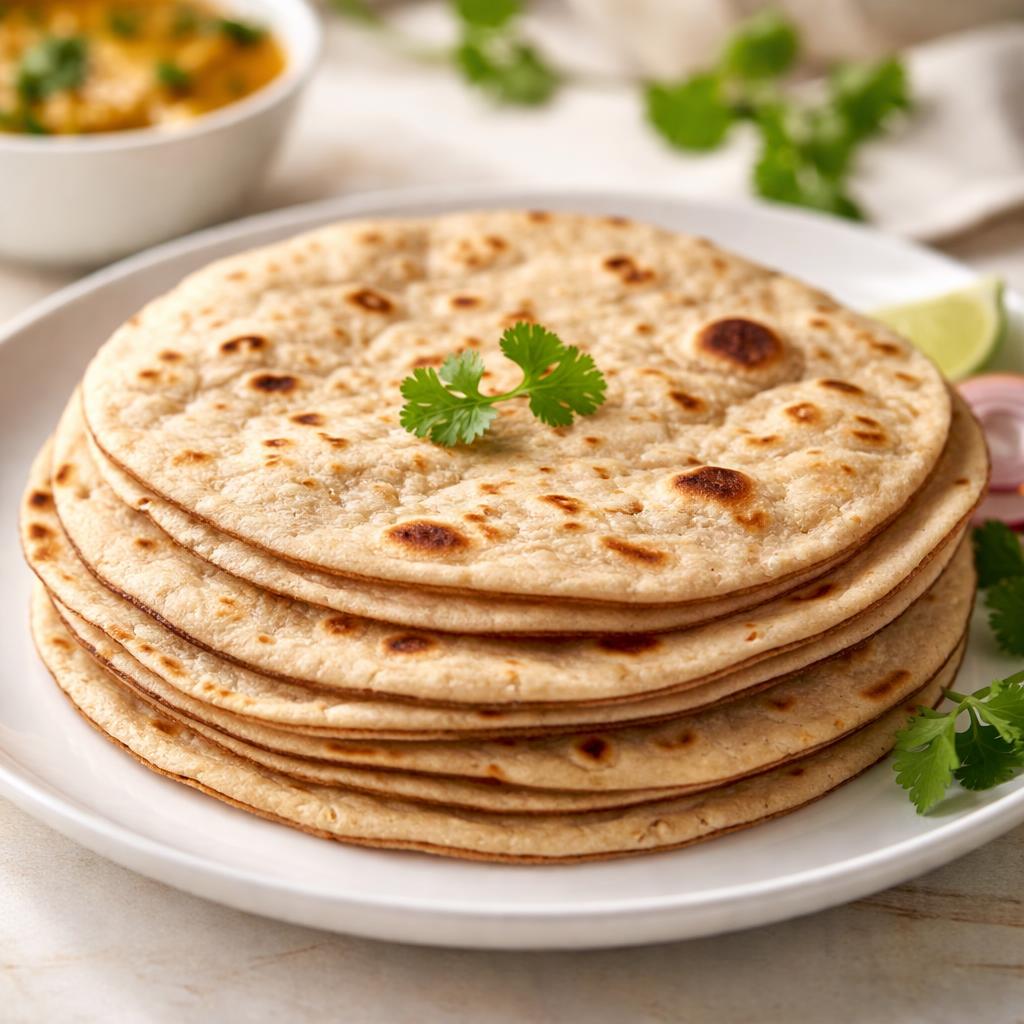
Wheat Roti
🎯 Quick Verdict
Couscous and wheat roti both offer nutritional benefits, but cater to different dietary priorities. Couscous is lower in calories and quicker to prepare, making it ideal for calorie-conscious meals. Wheat roti, however, provides more protein and fiber, supporting digestion and sustained energy. Use couscous for lighter meals and wheat roti for more nutrient-dense options.

Smart Nutrition Tracking with SnapCalorie

📊 Nutritional Comparison
Macronutrients
| Nutrient | Food 1 | Food 2 | Winner |
|---|---|---|---|
| Calories | 173 (per cup cooked) | 120 (per medium roti) | ✓ |
| Protein | 6g | 4g | ✓ |
| Carbs | 36g | 25g | ✓ |
| Fat | 0.3g | 2g | ✓ |
| Fiber | 2g | 4g | ✓ |
Vitamins & Minerals
| Nutrient | Food 1 | Food 2 | Winner |
|---|---|---|---|
| Vitamin B6 | 0.09mg | 0.12mg | ✓ |
| Iron | 0.6mg | 1.5mg | ✓ |
| Calcium | 10mg | 24mg | ✓ |
🏆 Category Winners
Protein
Wheat roti contains 33% more protein, supporting muscle repair and satiety.
Fiber
Wheat roti offers twice as much fiber per serving, aiding digestion and gut health.
Calories
Couscous has slightly lower calories per serving, good for calorie-controlled meals.
Vitamins
Wheat roti is richer in key vitamins like iron, B6, and calcium.
🥗 Diet Compatibility
Keto
Food 1: Not Compatible
Food 2: Not Compatible
Both are high-carb options unsuitable for keto.
Vegan
Food 1: Compatible
Food 2: Compatible
Both are plant-based and vegan-friendly.
Gluten Free
Food 1: Not Compatible
Food 2: Not Compatible
Both contain gluten due to wheat content.
Paleo
Food 1: Not Compatible
Food 2: Not Compatible
Neither fits the paleo diet as they are processed grains.
Low-Carb
Food 1: Not Compatible
Food 2: Not Compatible
Both are high-carb and not suitable for low-carb diets.
💪 Health Benefits Comparison
Food 1 Benefits
- Low in calories, ideal for weight management
- Quick-cooking grain for convenient meals
- Moderate fiber content to support digestion
Food 2 Benefits
- Higher protein for muscle maintenance and energy
- Rich in fiber, promoting gut health
- Good source of key vitamins and minerals, such as iron and calcium
✅ The Bottom Line
Choose couscous for low-calorie, quick meals or wheat roti for higher protein and fiber that supports satiety and nutrition. Both are versatile options but should be paired with complementary foods to round out their nutrition profile.
Choose Food 1 for: Low-calorie meals, quick preparation, weight management
Choose Food 2 for: Sustained energy, nutrient-dense meals, better digestion


