Couscous VS Rice Cake
A detailed nutritional comparison
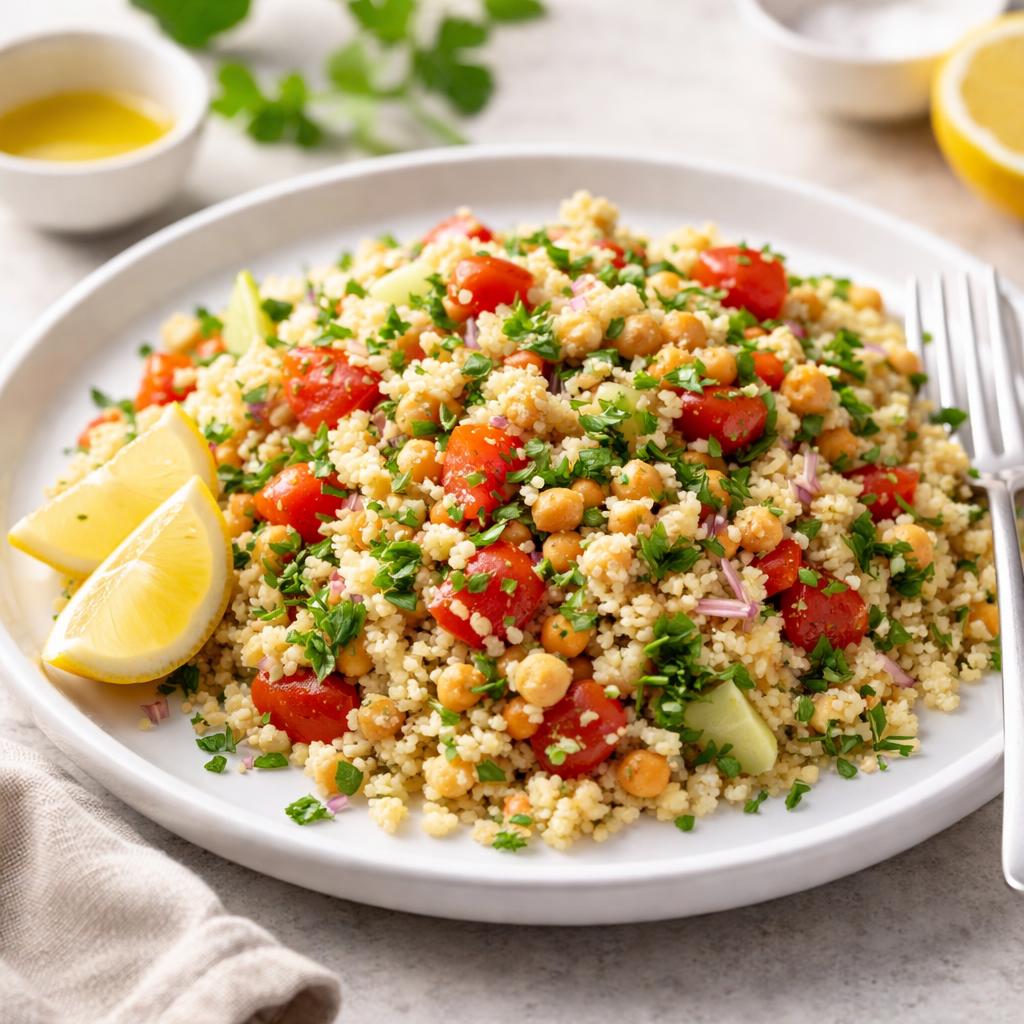
Couscous
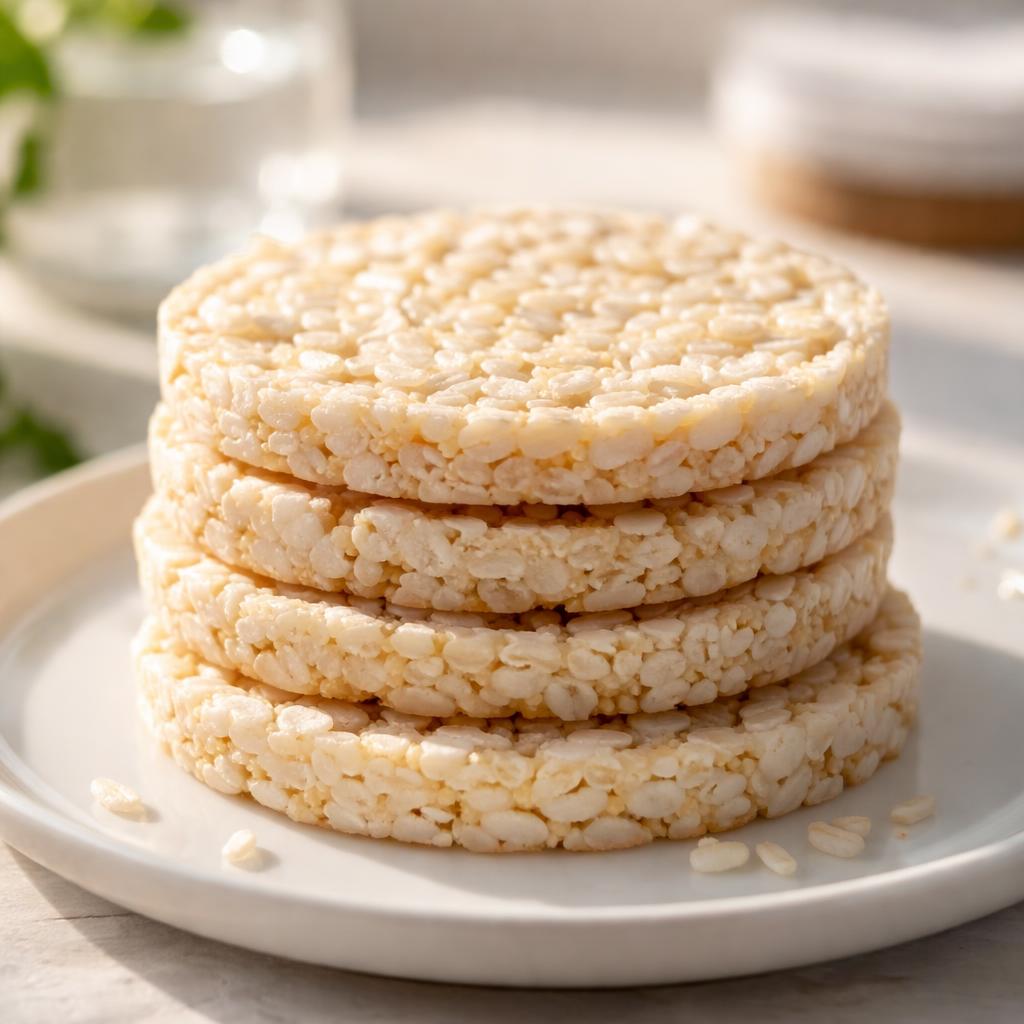
Rice Cake
🎯 Quick Verdict
Couscous is higher in protein, fiber, and essential vitamins, making it a more balanced and nutrient-dense option. Rice cakes, on the other hand, are lower in calories and carbs, ideal for a lightweight snack or calorie-conscious diets. Each serves different purposes depending on dietary needs and goals.

Smart Nutrition Tracking with SnapCalorie

📊 Nutritional Comparison
Macronutrients
| Nutrient | Food 1 | Food 2 | Winner |
|---|---|---|---|
| Calories | 176 per 1 cup cooked | 35 per 1 rice cake (~9g) | ✓ |
| Protein | 6g | 0.7g | ✓ |
| Carbs | 36g | 7g | ✓ |
| Fat | 0.3g | 0g | ✓ |
| Fiber | 2g | 0.3g | ✓ |
Vitamins & Minerals
| Nutrient | Food 1 | Food 2 | Winner |
|---|---|---|---|
| Vitamin B6 | 0.1mg | 0.0mg | ✓ |
| Iron | 0.6mg | 0.2mg | ✓ |
| Magnesium | 8mg | 1mg | ✓ |
🏆 Category Winners
Protein
Couscous contains significantly more protein (6g vs 0.7g per serving).
Fiber
Couscous has 2g of fiber compared to only 0.3g in rice cakes.
Calories
Rice cakes have fewer calories per serving (35 vs 176).
Vitamins
Couscous provides more key micronutrients such as magnesium and iron.
🥗 Diet Compatibility
Keto
Food 1: Not Compatible
Food 2: Compatible
Rice cakes are lower in carbs (7g vs 36g).
Vegan
Food 1: Compatible
Food 2: Compatible
Both are plant-based foods.
Gluten Free
Food 1: Not Compatible
Food 2: Compatible
Couscous is made from wheat and contains gluten.
Paleo
Food 1: Not Compatible
Food 2: Not Compatible
Neither is suitable for paleo diets due to processing.
Low-Carb
Food 1: Not Compatible
Food 2: Compatible
Rice cakes are much lower in carbohydrates.
💪 Health Benefits Comparison
Food 1 Benefits
- Provides a moderate amount of protein for muscle repair
- Rich in fiber, aiding digestion and promoting satiety
- Good source of essential minerals like magnesium and iron
- Low-fat option for a balanced diet
Food 2 Benefits
- Low-calorie option for weight management
- Light and easy-to-digest snack
- Gluten-free, suitable for those with gluten intolerance
- Crisp texture makes it a satisfying snack base
✅ The Bottom Line
Couscous is a better choice for balanced nutrition and as a versatile carb base for meals, while rice cakes are ideal for low-calorie snacking or those following gluten-free and low-carb diets. Consider couscous for a hearty meal and rice cakes for portability and minimal caloric intake.
Choose Food 1 for: Balanced meals, moderate protein intake, post-workout replenishment
Choose Food 2 for: Low-calorie snacks, gluten-free diets, portability


