Cornbread VS Sourdough Bread
A detailed nutritional comparison
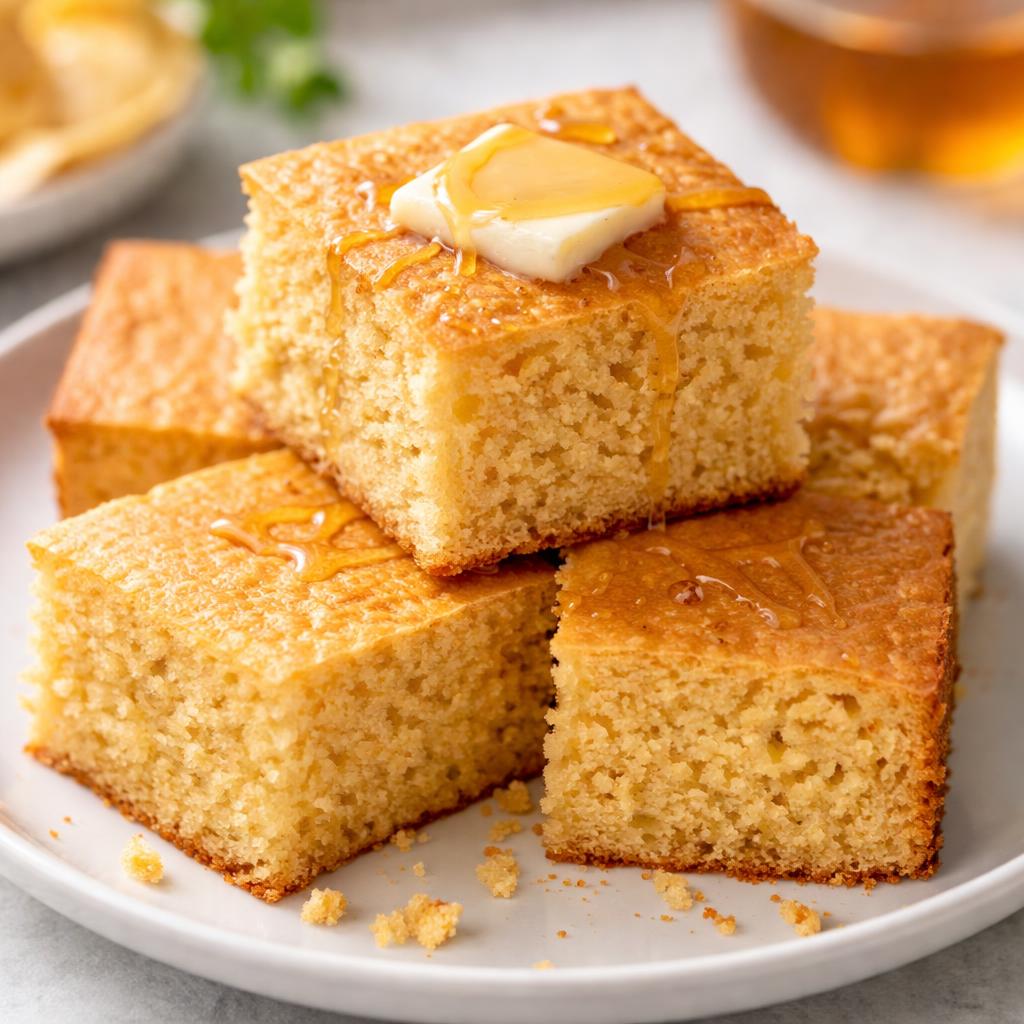
Cornbread

Sourdough Bread
🎯 Quick Verdict
Sourdough bread is lower in calories and higher in fiber compared to cornbread, making it a better choice for calorie-conscious and digestive health-focused individuals. Cornbread, however, offers slightly more fat and is denser in calories, suitable for energy needs during physical activities. Each has its strengths depending on dietary goals and preferences.

Smart Nutrition Tracking with SnapCalorie

📊 Nutritional Comparison
Macronutrients
| Nutrient | Food 1 | Food 2 | Winner |
|---|---|---|---|
| Calories | 198 per slice | 138 per slice | ✓ |
| Protein | 4g | 4g | − |
| Carbs | 30g | 26g | ✓ |
| Fat | 5g | 0.75g | ✓ |
| Fiber | 1g | 2g | ✓ |
Vitamins & Minerals
| Nutrient | Food 1 | Food 2 | Winner |
|---|---|---|---|
| Vitamin D | 0mcg | 0mcg | − |
| Calcium | 10mg | 5mg | ✓ |
| Iron | 0.5mg | 1.5mg | ✓ |
🏆 Category Winners
Protein
Both foods provide 4g of protein per slice.
Fiber
Sourdough bread contains twice the fiber compared to cornbread.
Calories
Sourdough bread has 30% fewer calories per serving.
Vitamins
Food2 contains higher levels of iron, providing better mineral enrichment.
🥗 Diet Compatibility
Keto
Food 1: Not Compatible
Food 2: Not Compatible
Both are high in carbs.
Vegan
Food 1: Compatible
Food 2: Compatible
Neither food contains animal products.
Gluten Free
Food 1: Not Compatible
Food 2: Not Compatible
Both are made using wheat-based flour.
Paleo
Food 1: Not Compatible
Food 2: Not Compatible
Both use non-paleo grains.
Low Carb
Food 1: Not Compatible
Food 2: Not Compatible
Both are relatively high in carbohydrates.
💪 Health Benefits Comparison
Food 1 Benefits
- Provides quick energy due to its higher calorie density
- Contains small amounts of healthy fat for satiety
- Offers some calcium for bone health
Food 2 Benefits
- Promotes digestive health thanks to higher fiber
- Lower in calories for weight management
- Contains iron for improved oxygen transport in the body
✅ The Bottom Line
Choose sourdough bread if you are looking for a lower calorie, higher fiber option that complements weight management and digestive health. Opt for cornbread when you need a more calorie-dense choice for energy during physical activity or endurance events.
Choose Food 1 for: Energy-dense meals, physical activity support, traditional recipes
Choose Food 2 for: Weight management, digestive health, iron supplementation


