Cornbread VS Rice Cakes
A detailed nutritional comparison
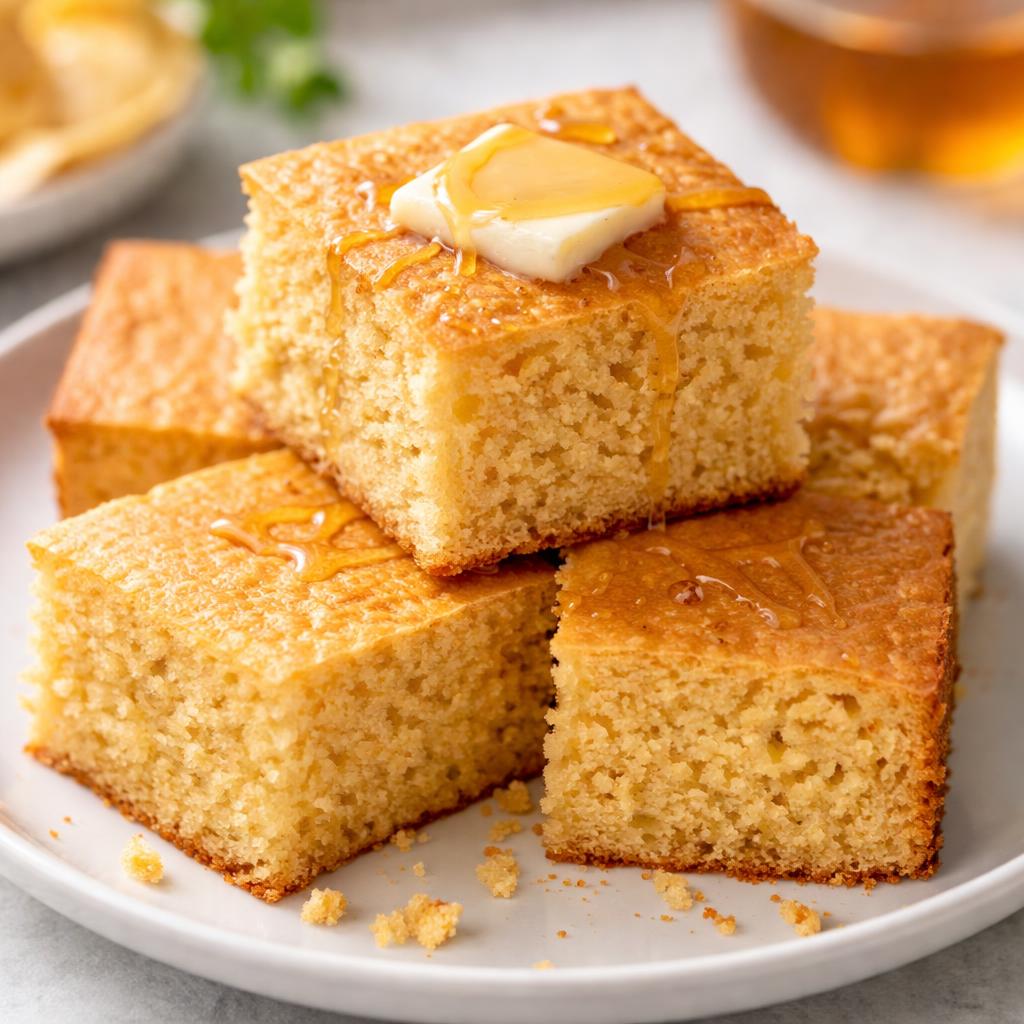
Cornbread
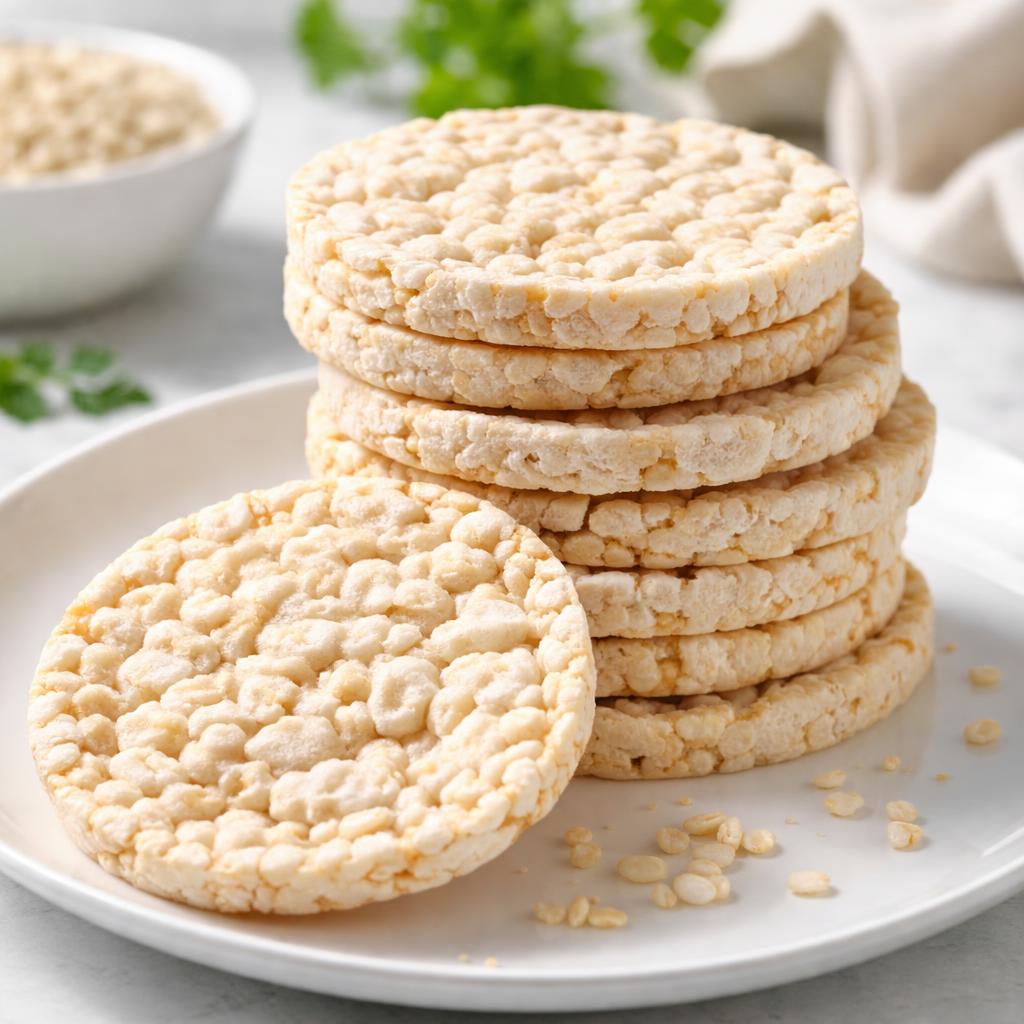
Rice Cakes
🎯 Quick Verdict
Cornbread is more nutrient-dense, offering higher fiber and vitamins, making it beneficial for digestion and overall health. Rice cakes are significantly lower in calories and carbs, ideal for weight loss or low-carb diets, though less nutrient-rich overall. Both are useful in specific dietary contexts depending on caloric and macronutrient needs.

Smart Nutrition Tracking with SnapCalorie

📊 Nutritional Comparison
Macronutrients
| Nutrient | Food 1 | Food 2 | Winner |
|---|---|---|---|
| Calories | 184 | 35 | ✓ |
| Protein | 2.5g | 2.5g | − |
| Carbs | 30g | 7g | ✓ |
| Fat | 5.5g | 0g | ✓ |
| Fiber | 2g | 0g | ✓ |
Vitamins & Minerals
| Nutrient | Food 1 | Food 2 | Winner |
|---|---|---|---|
| Vitamin D | 0mcg | 0mcg | − |
| Calcium | 27mg | 1mg | ✓ |
| Iron | 0.6mg | 0.2mg | ✓ |
🏆 Category Winners
Protein
Both foods provide equal protein content (2.5g per serving).
Fiber
Cornbread has 2g of fiber compared to 0g in rice cakes.
Calories
Rice cakes are significantly lower in calories (35 vs 184).
🥗 Diet Compatibility
Keto
Food 1: Not Compatible
Food 2: Compatible
Rice cakes are very low-carb (7g per serving).
Vegan
Food 1: Not Compatible
Food 2: Compatible
Cornbread recipes typically include eggs or dairy, while rice cakes are plant-based.
Gluten Free
Food 1: Not Compatible
Food 2: Compatible
Cornbread often uses wheat flour; rice cakes are typically gluten-free.
Paleo
Food 1: Not Compatible
Food 2: Compatible
Cornbread contains grains, while rice cakes fit paleo guidelines.
Low-Carb
Food 1: Not Compatible
Food 2: Compatible
Rice cakes are lower in carbs (7g vs 30g).
💪 Health Benefits Comparison
Food 1 Benefits
- Source of fiber for digestive health
- Provides iron for oxygen transport in the body
- Contains moderate amounts of energy, useful for active individuals
Food 2 Benefits
- Low-calorie option for weight loss
- Naturally gluten-free, suitable for sensitive individuals
- Provides quick energy with minimal fat or sugar
✅ The Bottom Line
Cornbread offers a more nutrient-dense profile, suitable for those seeking fiber, vitamins, and a moderate energy source, especially in active lifestyles. Meanwhile, rice cakes are ideal for weight loss and low-carb diets due to their ultra-low caloric and carb content. Choose cornbread for flavor and increased nutrients, and rice cakes for light, diet-friendly snacking.
Choose Food 1 for: Active or nutrient-sensitive individuals, fiber needs, balanced meals
Choose Food 2 for: Weight loss, low-carb diets, portable snacking


