Cooked Rice VS Steamed Rice
A detailed nutritional comparison
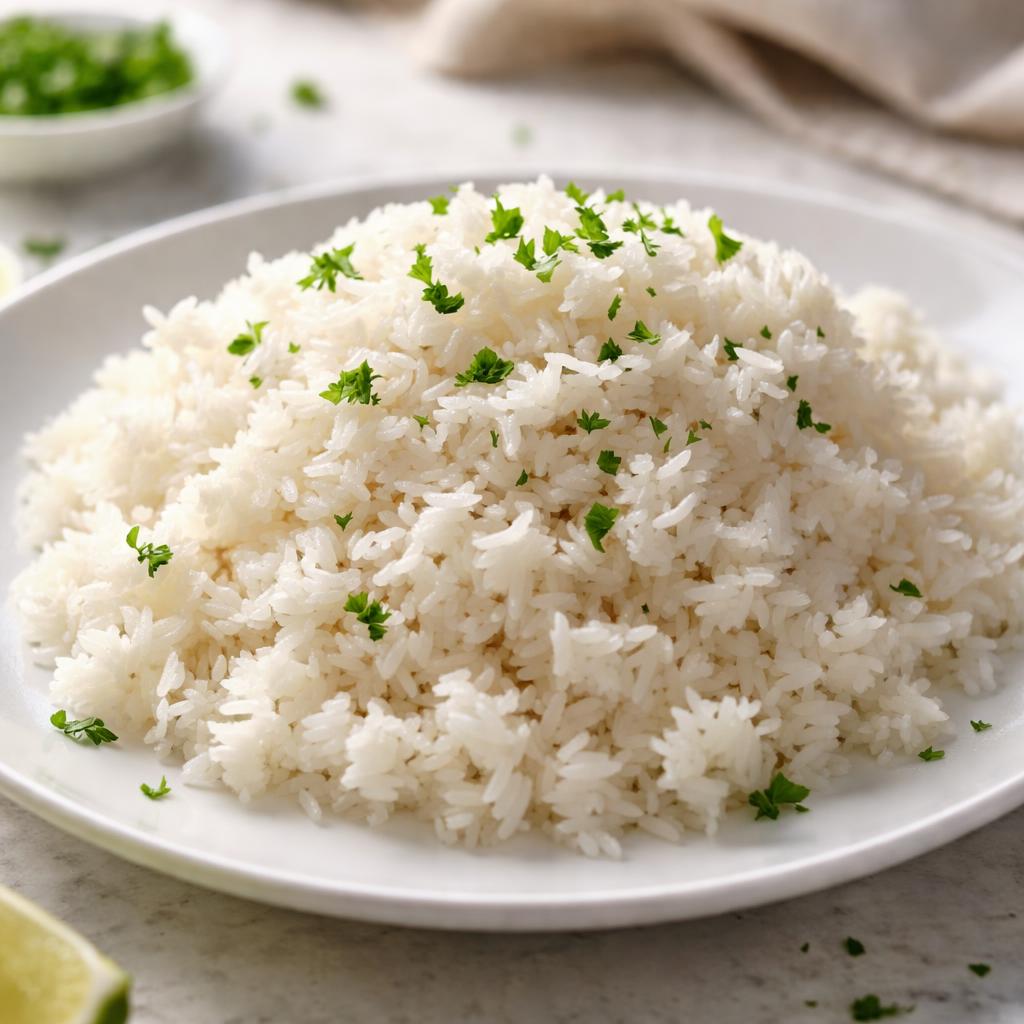
Cooked Rice
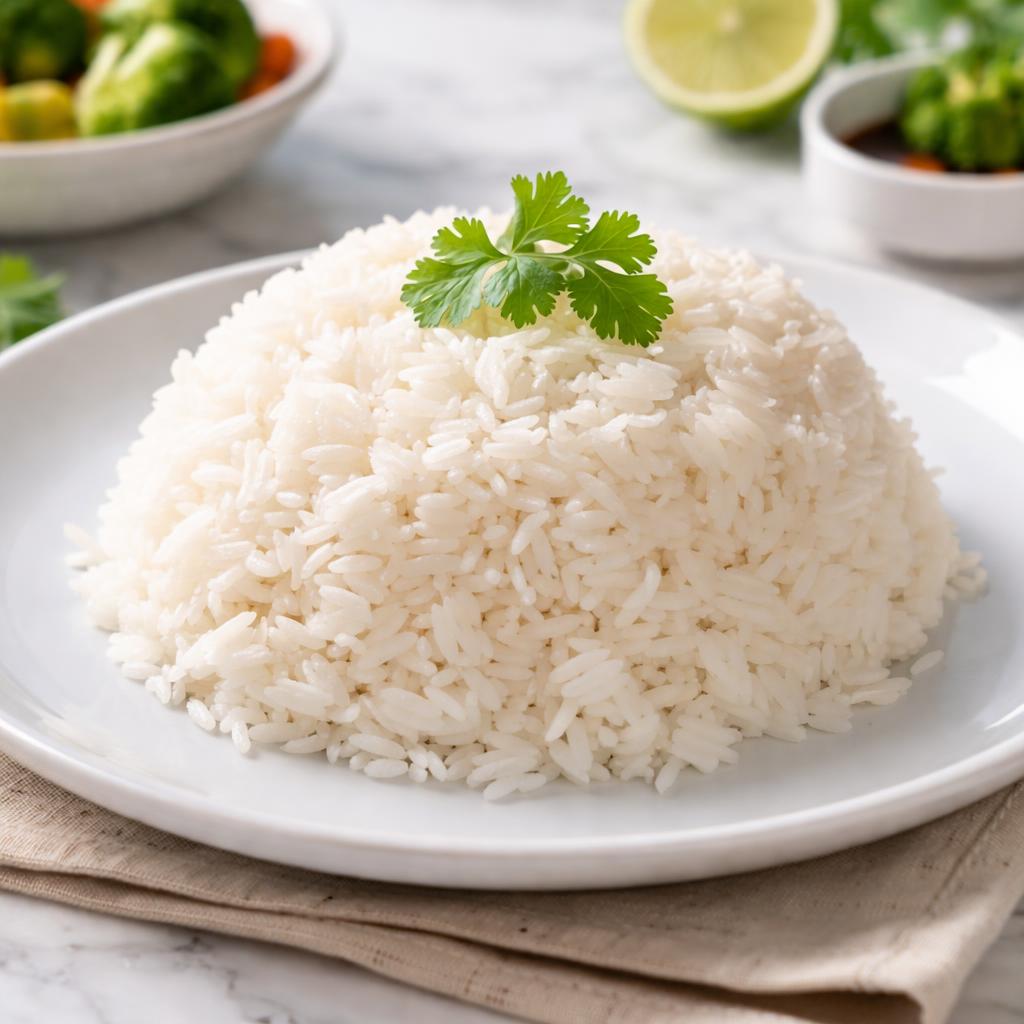
Steamed Rice
🎯 Quick Verdict
Cooked rice and steamed rice are nutritionally nearly identical because they are prepared from the same raw ingredient (rice) and differ mostly in cooking technique. Both foods are similarly suited for providing energy via carbohydrates, while offering little protein and minimal fiber. They can be interchanged in most dietary scenarios.

Smart Nutrition Tracking with SnapCalorie

📊 Nutritional Comparison
Macronutrients
| Nutrient | Food 1 | Food 2 | Winner |
|---|---|---|---|
| Calories | 130 | 130 | − |
| Protein | 2.7g | 2.7g | − |
| Carbs | 28.2g | 28.2g | − |
| Fat | 0.3g | 0.3g | − |
| Fiber | 0.4g | 0.4g | − |
Vitamins & Minerals
| Nutrient | Food 1 | Food 2 | Winner |
|---|---|---|---|
| Vitamin D | 0mcg | 0mcg | − |
| Calcium | 10mg | 10mg | − |
| Iron | 0.2mg | 0.2mg | − |
🏆 Category Winners
Protein
Both cooked and steamed rice contain 2.7g of protein per serving.
Fiber
Both foods provide 0.4g of fiber per serving.
Calories
Both options have the same caloric value: 130 calories per serving.
Vitamins
No discernible difference in vitamin or mineral content between the two.
🥗 Diet Compatibility
Keto
Food 1: Not Compatible
Food 2: Not Compatible
Rice is high in carbohydrates.
Vegan
Food 1: Compatible
Food 2: Compatible
Rice is plant-based and suitable for vegans.
Gluten Free
Food 1: Compatible
Food 2: Compatible
Rice is naturally gluten-free.
Paleo
Food 1: Not Compatible
Food 2: Not Compatible
Grains like rice are avoided in paleo diets.
Low Carb
Food 1: Not Compatible
Food 2: Not Compatible
Rice is high in carbohydrates per serving.
💪 Health Benefits Comparison
Food 1 Benefits
- Provides quick energy due to high carbohydrate content
- Low in fat, making it suitable for low-fat diets
- Easy to digest, great for sensitive stomachs
Food 2 Benefits
- Provides quick energy due to high carbohydrate content
- Low in fat, making it suitable for low-fat diets
- Moist texture may be preferred for hydration needs
✅ The Bottom Line
Cooked rice and steamed rice are nutritionally identical, allowing for interchange in any dietary application. They provide quick energy from carbs and are compatible with vegan and gluten-free diets but unsuitable for keto or low-carb plans.
Choose Food 1 for: General energy needs, post-surgery diets, traditional recipes
Choose Food 2 for: Energy needs with a lighter texture, hydration-focused recipes, easy digestion


