Cooked Rice VS Puffed Rice
A detailed nutritional comparison
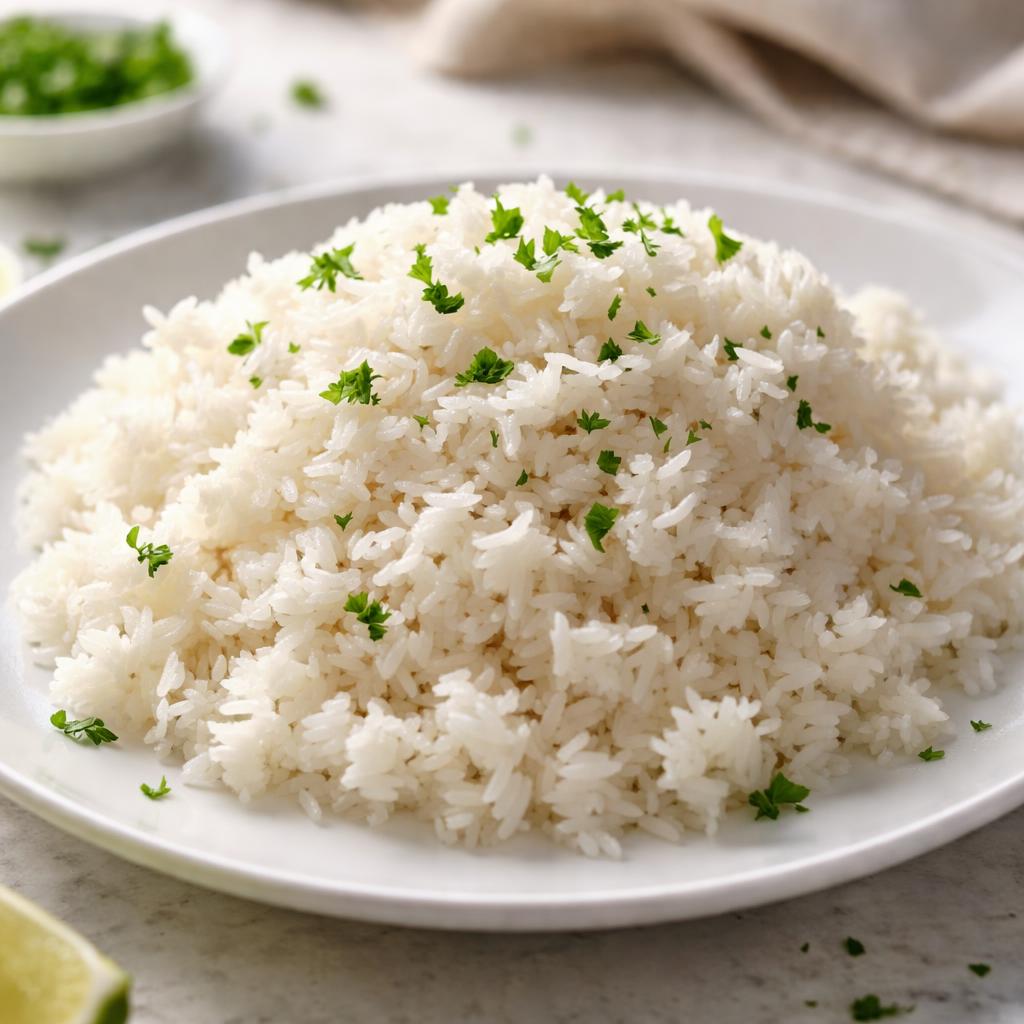
Cooked Rice
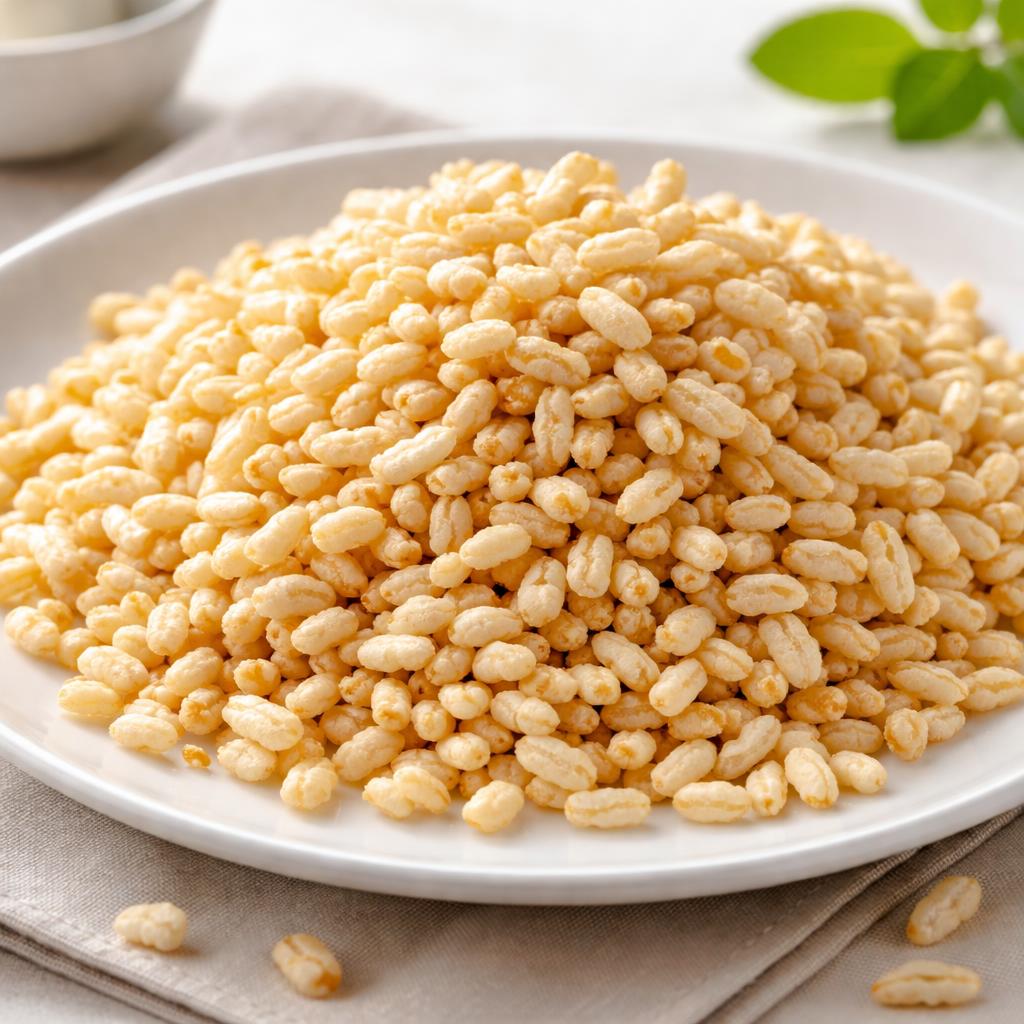
Puffed Rice
🎯 Quick Verdict
Cooked rice provides more protein and fiber than puffed rice, making it better for sustained energy and satiety. Puffed rice, though lighter and lower in density, is a convenient snack option and has fewer nutrients overall. Choose cooked rice for meals and puffed rice for occasional snacking or light calorie-friendly options.

Smart Nutrition Tracking with SnapCalorie

📊 Nutritional Comparison
Macronutrients
| Nutrient | Food 1 | Food 2 | Winner |
|---|---|---|---|
| Calories | 130 per 100g | 120 per 100g | − |
| Protein | 2.7g per 100g | 1.2g per 100g | ✓ |
| Carbs | 28g per 100g | 25g per 100g | ✓ |
| Fat | 0.3g per 100g | 0.2g per 100g | − |
| Fiber | 0.4g per 100g | 0.1g per 100g | ✓ |
Vitamins & Minerals
| Nutrient | Food 1 | Food 2 | Winner |
|---|---|---|---|
| Vitamin D | 0mcg | 0mcg | − |
| Calcium | 10mg per 100g | 8mg per 100g | ✓ |
| Iron | 0.2mg per 100g | 0.1mg per 100g | ✓ |
🏆 Category Winners
Protein
Cooked rice has more than double the protein content of puffed rice.
Fiber
Cooked rice offers 4x more fiber per serving compared to puffed rice.
Calories
Both foods are similarly calorie-dense per 100g (120-130 calories).
🥗 Diet Compatibility
Keto
Food 1: Not Compatible
Food 2: Not Compatible
Both foods are high in carbs and unsuitable for keto diets.
Vegan
Food 1: Compatible
Food 2: Compatible
Both are plant-based and suitable for vegan diets.
Gluten Free
Food 1: Compatible
Food 2: Compatible
Neither food contains gluten.
Paleo
Food 1: Not Compatible
Food 2: Not Compatible
Both are processed grains, not allowed in paleo diets.
Low Carb
Food 1: Not Compatible
Food 2: Not Compatible
Both foods are carb-heavy and unsuitable for low-carb diets.
💪 Health Benefits Comparison
Food 1 Benefits
- Provides sustained energy due to complex carbohydrates
- Low fat content supports weight management
- Good source of small amounts of protein for body repair
Food 2 Benefits
- Light and easy-to-digest snack option
- Fewer calories make it a choice for low-energy meals or snacks
- Quickly satiates hunger in small portions
✅ The Bottom Line
Cooked rice is more nutrient-dense, offering more protein, fiber, and micronutrients for meal inclusion. Puffed rice is a light, convenient alternative for snacking or calorie-conscious portions but lacks substance for nutritional needs.
Choose Food 1 for: Balanced meals, energy replenishment, post-workout recovery
Choose Food 2 for: Light snacks, low-calorie intake days, quick-eating options


