Cooked Quinoa VS Tomato Pasta Sauce
A detailed nutritional comparison
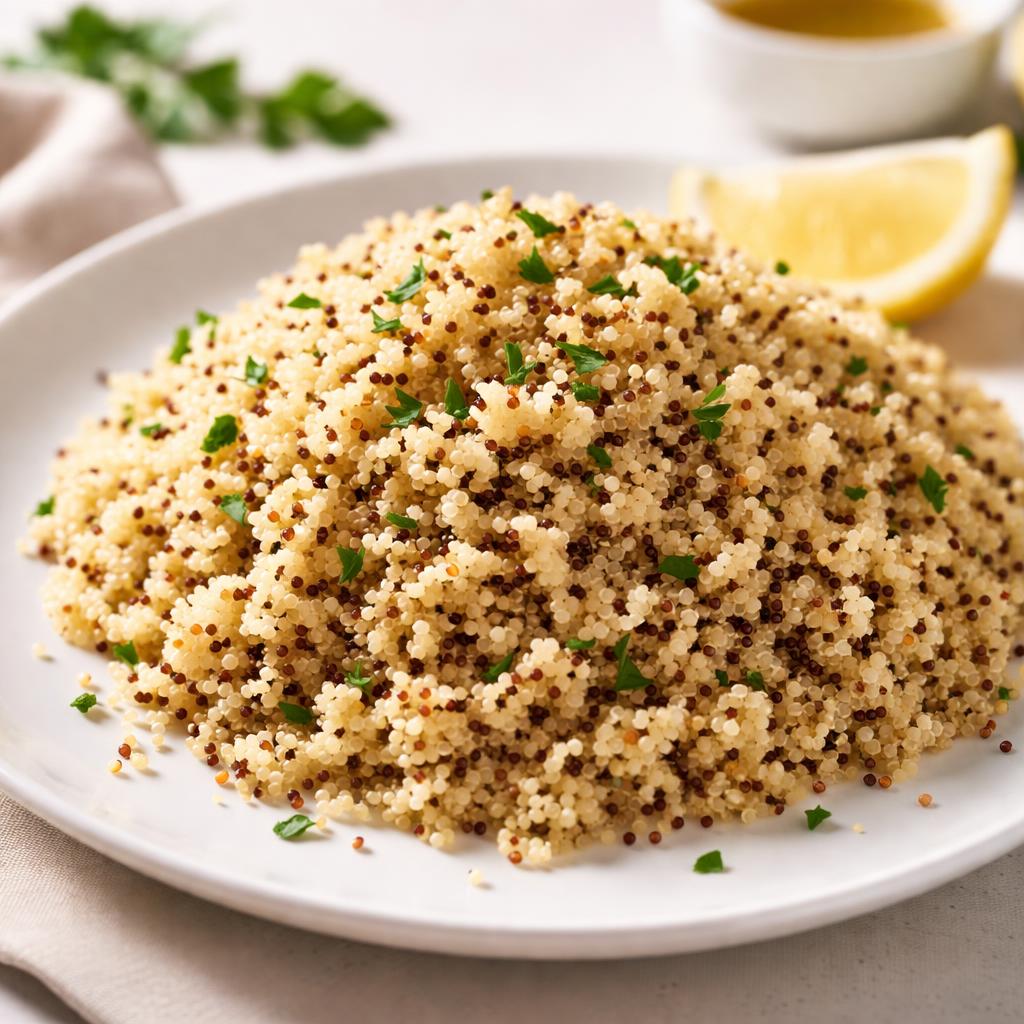
Cooked Quinoa
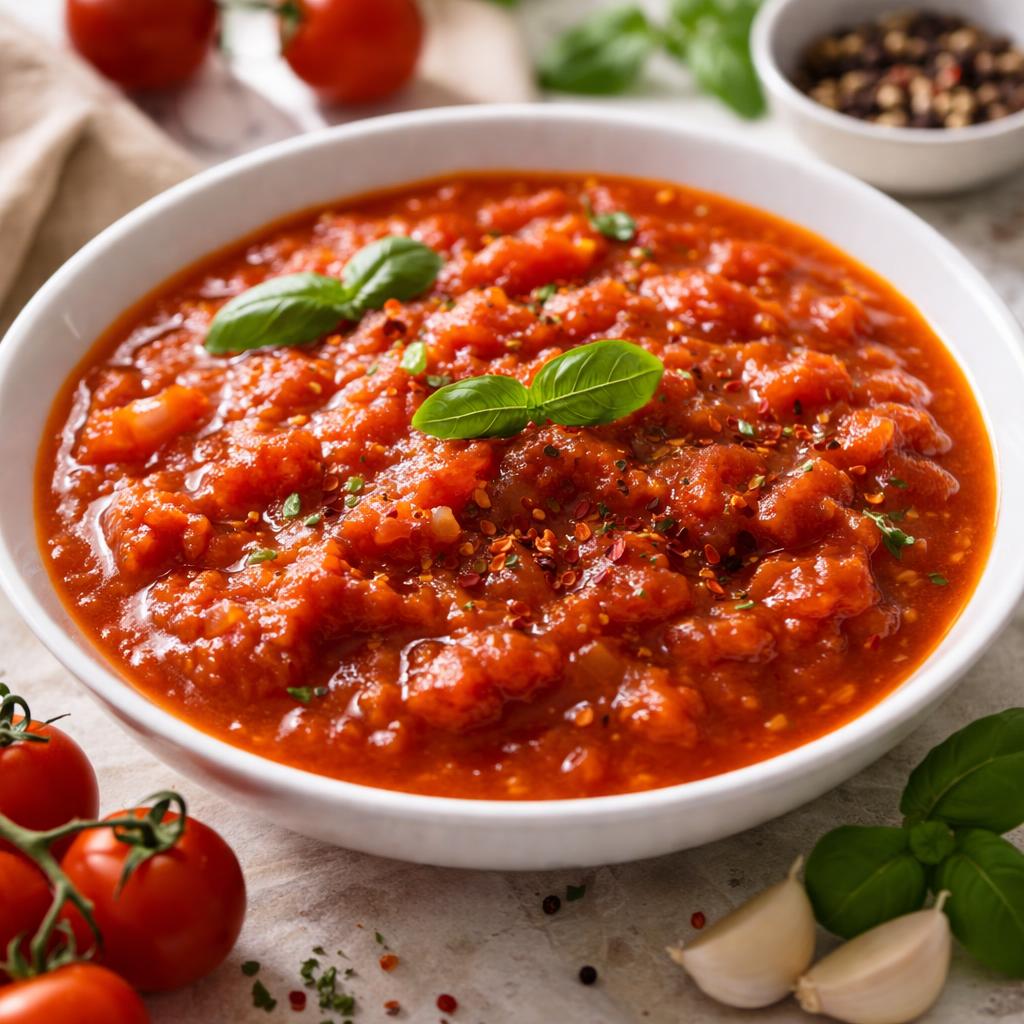
Tomato Pasta Sauce
🎯 Quick Verdict
Cooked quinoa is a high-protein, low-calorie option with significant micronutrient content, while tomato pasta sauce is lower in protein but provides antioxidants and Vitamin C. Quinoa is better for weight loss and muscle maintenance, while tomato pasta sauce is ideal for adding flavor and nutrients to meals.

Smart Nutrition Tracking with SnapCalorie

📊 Nutritional Comparison
Macronutrients
| Nutrient | Food 1 | Food 2 | Winner |
|---|---|---|---|
| Calories | 120 per 1 cup (185g) | 70 per 1/2 cup (125g) | ✓ |
| Protein | 4g per 1 cup | 1g per 1/2 cup | ✓ |
| Carbs | 21g per 1 cup | 16g per 1/2 cup | ✓ |
| Fat | 2g per 1 cup | 2g per 1/2 cup | − |
| Fiber | 2.5g per 1 cup | 2.5g per 1/2 cup | − |
Vitamins & Minerals
| Nutrient | Food 1 | Food 2 | Winner |
|---|---|---|---|
| Vitamin C | 0.5mg | 15mg | ✓ |
| Iron | 1.5mg | 0.7mg | ✓ |
| Vitamin A | 9mcg | 450mcg | ✓ |
🏆 Category Winners
Protein
Quinoa has 4g of protein per cup versus 1g in pasta sauce, making it better for muscle building.
Fiber
Both quinoa and tomato pasta sauce each provide 2.5g of fiber per serving.
Calories
Tomato pasta sauce has a low-calorie profile with only 70 per serving.
🥗 Diet Compatibility
Keto
Food 1: Not Compatible
Food 2: Not Compatible
Both foods are too high in carbohydrates for a ketogenic diet.
Vegan
Food 1: Compatible
Food 2: Compatible
Both are plant-based and suitable for vegan diets.
Gluten Free
Food 1: Compatible
Food 2: Compatible
Neither of these foods naturally contain gluten.
Paleo
Food 1: Compatible
Food 2: Not Compatible
Quinoa is allowed on some paleo diets, but processed tomato sauces typically are not.
Low Carb
Food 1: Not Compatible
Food 2: Not Compatible
Both foods contain moderate to high amounts of carbohydrates per serving.
💪 Health Benefits Comparison
Food 1 Benefits
- Rich in protein, aiding muscle repair and growth
- Contains all nine essential amino acids
- Good source of fiber for digestive health
- Provides iron and magnesium for energy metabolism
Food 2 Benefits
- High in Vitamin C to support immune function
- Contains Vitamin A for eye and skin health
- Rich in antioxidants that combat free radicals
- Low in calories, making it a light addition to meals
✅ The Bottom Line
Cooked quinoa is a complete protein, making it ideal for weight loss and muscle growth, while tomato pasta sauce is a nutrient-rich, low-calorie option for enhancing meal flavors. Choose quinoa for a high-protein base and pasta sauce for antioxidant and Vitamin C benefits.
Choose Food 1 for: High-protein meals, muscle building, weight-loss diets
Choose Food 2 for: Adding flavor, nutrient density, heart health


