Cooked Quinoa VS Rice With Tomato Sauce
A detailed nutritional comparison
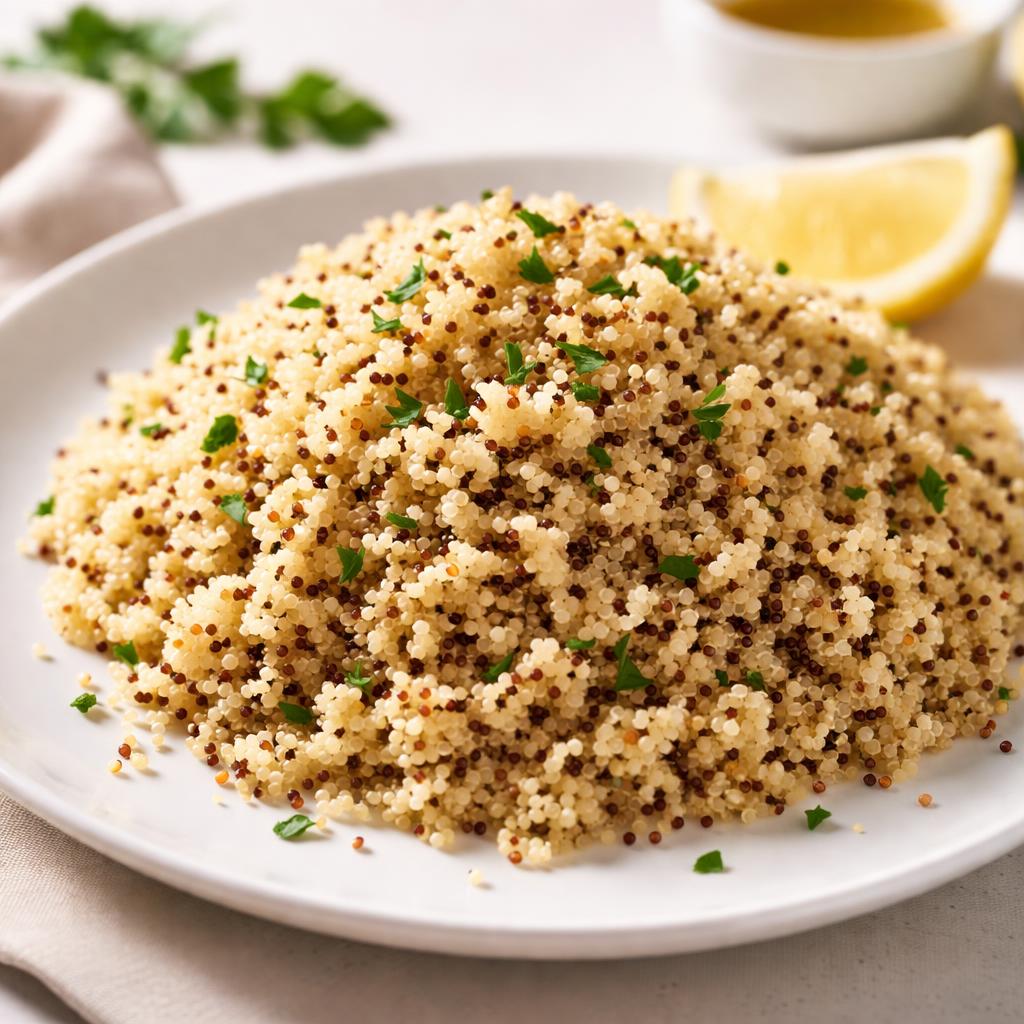
Cooked Quinoa
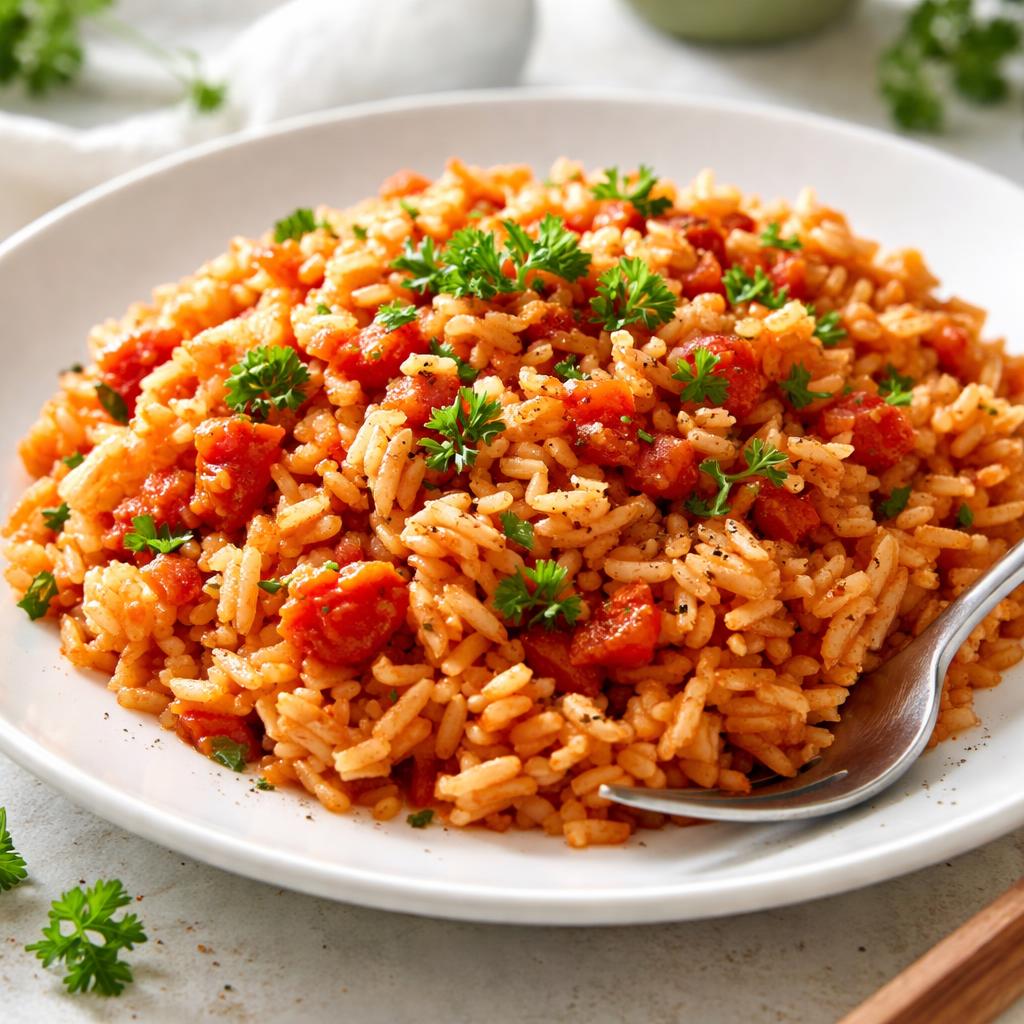
Rice With Tomato Sauce
🎯 Quick Verdict
Cooked quinoa outshines rice with tomato sauce in terms of protein, fiber, and lower calories, making it a more nutrient-dense option with a stronger profile for weight loss and balanced nutrition. Rice with tomato sauce, however, offers a comforting taste profile and can be great for energy sustenance due to its higher carbohydrate content.

Smart Nutrition Tracking with SnapCalorie

📊 Nutritional Comparison
Macronutrients
| Nutrient | Food 1 | Food 2 | Winner |
|---|---|---|---|
| Calories | 120 | 160 | ✓ |
| Protein | 4g | 2.5g | ✓ |
| Carbs | 21g | 35g | ✓ |
| Fat | 2g | 3g | ✓ |
| Fiber | 2.5g | 1g | ✓ |
Vitamins & Minerals
| Nutrient | Food 1 | Food 2 | Winner |
|---|---|---|---|
| Vitamin C | 0mg | 8mg | ✓ |
| Iron | 1.5mg | 0.5mg | ✓ |
| Magnesium | 60mg | 15mg | ✓ |
🏆 Category Winners
Protein
Quinoa offers higher protein content beneficial for muscle repair and growth.
Fiber
Quinoa has more than double the fiber compared to rice with tomato sauce, aiding digestion.
Calories
Quinoa is lower in calories, supporting weight management goals.
Vitamins
Rice with tomato sauce provides more vitamin C due to the tomato component.
🥗 Diet Compatibility
Keto
Food 1: Not Compatible
Food 2: Not Compatible
Both are high-carb foods unsuitable for keto.
Vegan
Food 1: Compatible
Food 2: Compatible
Both foods are plant-based.
Gluten Free
Food 1: Compatible
Food 2: Compatible
Neither food contains gluten naturally.
Paleo
Food 1: Compatible
Food 2: Not Compatible
Quinoa fits within some paleo interpretations, whereas tomato sauce may contain additives against paleo principles.
Low Carb
Food 1: Not Compatible
Food 2: Not Compatible
Both foods are too high in carbs for a low-carb diet.
💪 Health Benefits Comparison
Food 1 Benefits
- Contains complete protein for muscle recovery
- High in magnesium, beneficial for bone health and energy production
- Rich in fiber to support healthy digestion
- Low-calorie and nutrient-dense, supporting weight loss goals
Food 2 Benefits
- Offers vitamin C for immune health
- Good source of quick energy due to its higher carbohydrate content
- Comfort food option to satisfy cravings
- Contains small amounts of antioxidants from tomato components
✅ The Bottom Line
Quinoa is the better choice if you are prioritizing protein, fiber, and lower calorie intake, making it ideal for weight management and balanced diets. Rice with tomato sauce can be a convenient, tasty option for providing energy during active days or as part of comfort meals.
Choose Food 1 for: Balanced diets, weight management, post-workout meals
Choose Food 2 for: Active lifestyles needing energy, flavorful and comforting meals


